





The New Players on the Highway
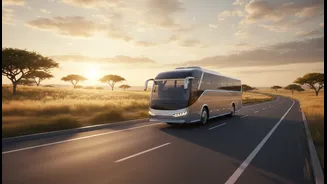
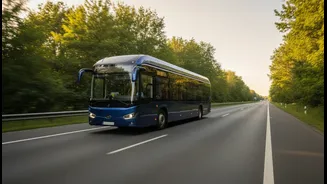
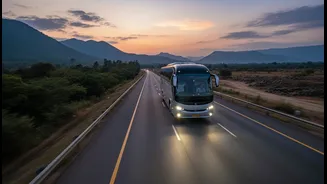
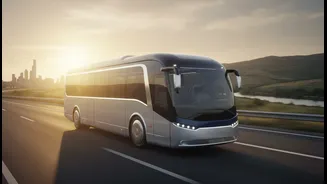
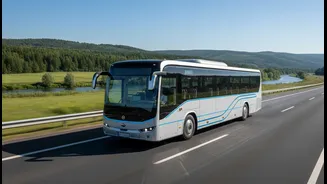
The premium electric intercity bus segment is rapidly expanding, with several operators vying for passengers. Companies like NeuGo, Fresh Bus, and zingbus are pioneering routes across the country. NeuGo operates on several popular corridors, including
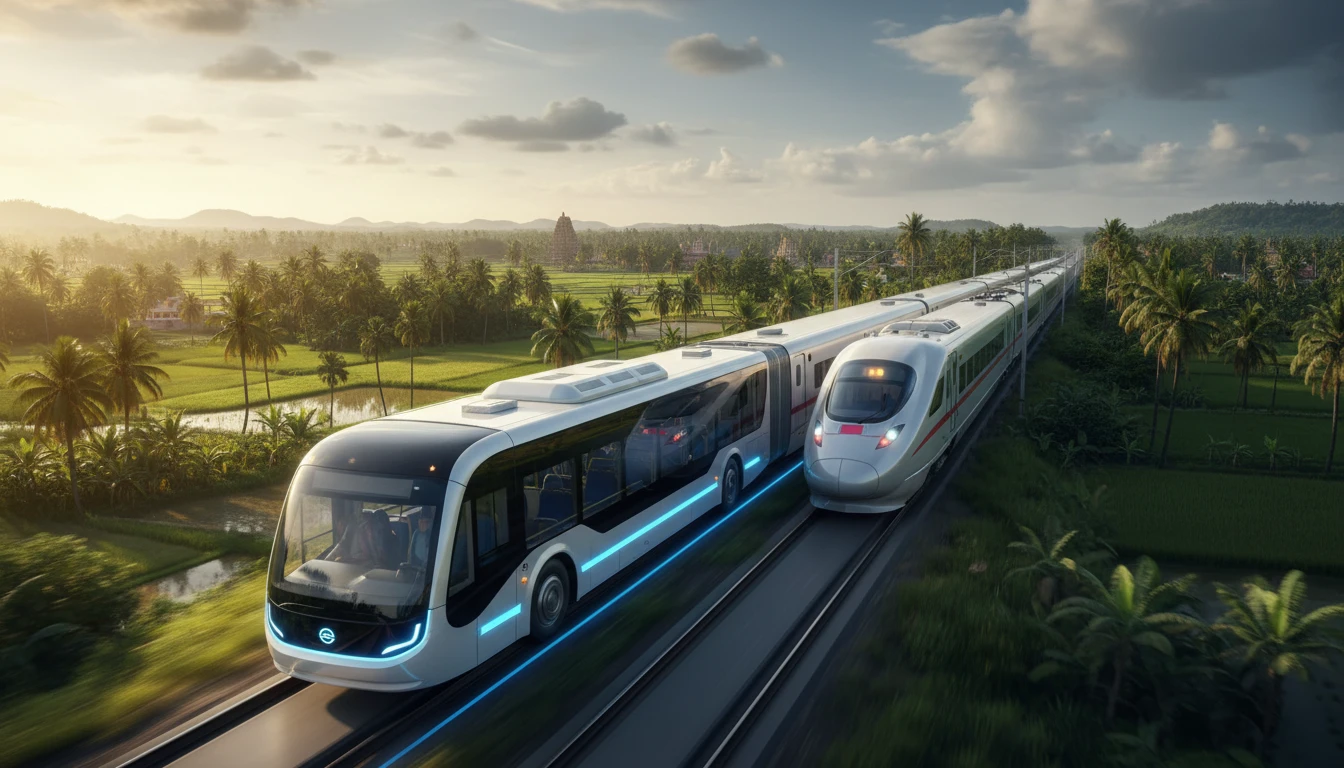
Delhi-Chandigarh, Delhi-Jaipur, Bengaluru-Tirupati, and Hyderabad-Vijayawada. Fresh Bus has a strong presence in the south, connecting cities like Hyderabad, Bengaluru, Chennai, and Tirupati. Just this week, on July 14, 2026, zingbus announced a major expansion, signing deals to deploy over 200 premium and electric buses across southern and western India. These operators are focused on changing the perception of bus travel by offering a more reliable, hygienic, and premium experience compared to traditional services. The core promise is not just about being electric, but about delivering a better overall journey.
Journey Time: The Charging Stop Factor
One of the most significant differences travellers will notice is the journey time, which is directly impacted by the need for charging. While electric buses offer a smoother and quieter ride, they often require at least one dedicated charging stop on routes over 250-300 kilometres. For example, a trip from Chennai to Bengaluru can take around 7 to 8 hours on an electric bus, which includes a charging break of 45 to 60 minutes. This can be longer than a comparable journey on a diesel Volvo, which might take 6.5 to 7 hours. Some operators, like NeuGo, have been noted by passengers for taking longer-than-expected charging breaks. However, companies are innovating. Fresh Bus has partnered with Exponent Energy to develop rapid-charging technology that aims to charge buses in just 15 minutes during a pitstop, which could make EV journey times much more competitive with diesel.
Stops, Amenities, and Comfort
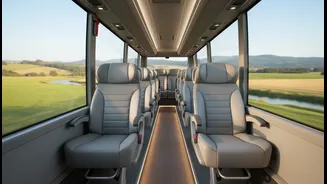
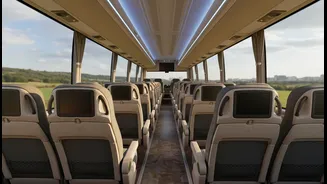
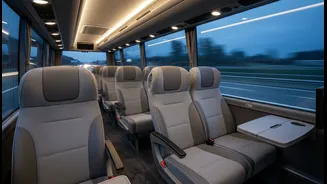
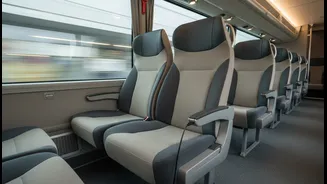
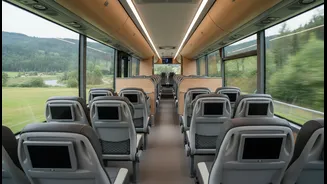
Beyond the mandatory charging stops, the overall travel experience is a key selling point. These are not standard buses; they are positioned as a premium service. Passengers can expect amenities like comfortable reclining seats, individual charging points, onboard Wi-Fi, and air-conditioned interiors. Fresh Bus even provides a complimentary snack box on some routes. The ride itself is noticeably different, with less vibration and near-silent operation, which many passengers find more comfortable and less fatiguing than a diesel bus. However, the quality can vary. Some passengers have reported issues like squeaking noises inside the cabin or less-than-premium seat comfort on certain services. The goal for these operators is to provide a consistent, high-quality experience that justifies the 'premium' label and convinces travellers to switch from cars and trains.
Reading the Fine Print: Cancellation Policies
Flexibility is crucial for travellers, and understanding the cancellation policy before booking is essential. Policies can vary significantly between operators. For example, some bus companies specify that if you cancel, the refund is provided as a cash coupon that must be used for a future booking within a year. Getting a cash refund to your bank account might involve an additional process and could take several days, often with a gateway transaction charge deducted. Some operators, like EvoBUS, state that partial cancellation is possible and will be refunded immediately, but the policy can change without notice. State-run services may have different rules, with cancellation charges tiered based on how far in advance you cancel—for instance, a 10% deduction if cancelled 24 hours prior, and 25% if cancelled within 12 hours of departure. Always check the specific terms and conditions for your ticket at the time of booking to avoid any surprises.
Cost: Is Greener Travel Cheaper?
Initially, many electric bus services have been introduced with very competitive, and sometimes cheaper, introductory fares compared to their diesel AC counterparts. Passengers have noted finding tickets for under ₹500 on routes where a Volvo might cost over ₹700. This is partly because the running costs of an electric bus are significantly lower than a diesel one, especially with rising fuel prices. The operational cost per kilometre for an e-bus can be as low as ₹8-12, compared to ₹30-40 for a diesel bus. While the upfront purchase price of an electric bus is much higher—often over ₹1 crore—operators save substantially on fuel and maintenance over the vehicle's lifetime. For the traveller, this can translate to more affordable premium travel, though fares will likely stabilise as these services become more established.