




Turmeric: The Golden Healer
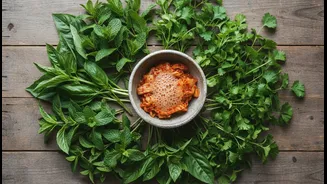
This vibrant yellow spice, a staple in Indian kitchens, is a powerhouse of wellness. Turmeric's active compound, curcumin, has potent anti-inflammatory and antioxidant properties. During the monsoon, when the body is more susceptible to infections, incorporating
turmeric into your diet can help bolster your immune response. A warm glass of 'haldi doodh' (turmeric milk) before bed is an age-old remedy for soothing a sore throat and fighting off colds. Adding a pinch to your daily dals, vegetable preparations, and soups is an easy way to leverage its healing benefits and support your digestive system.
Ginger and Garlic: The Immunity Power Duo
Ginger and garlic are indispensable during the rainy season for their powerful antimicrobial and anti-inflammatory effects. Ginger is excellent for digestion, helping to soothe the stomach and prevent the bloating that can become common when our metabolism slows in humid weather. It's a classic remedy for colds and coughs. Garlic contains allicin, a compound known for its antiviral and antibacterial properties that can help your body fight off infections. Including freshly minced ginger and garlic in your cooking or sipping on a warm ginger tea are simple, effective ways to protect your health.
Seasonal Fruits: Your Vitamin C Shield
While it's wise to be cautious with raw foods, certain seasonal fruits are fantastic for your monsoon diet. Fruits like pomegranates, apples, pears, and papayas are packed with Vitamin C and antioxidants. Vitamin C is crucial for supporting various cellular functions of the immune system, making it your first line of defence against common seasonal illnesses. These fruits also provide essential fibre that aids digestion. Just be sure to wash them thoroughly under clean, running water before consumption to avoid any risk of contamination.
Probiotic Foods: For a Happy Gut
A healthy gut is the foundation of a strong immune system. The high humidity of the monsoon can make digestion sluggish, so incorporating probiotic-rich foods is essential. Yoghurt (curd) and buttermilk (chaas) are excellent sources of beneficial bacteria that help maintain a healthy gut microbiome. These 'good' bacteria help your body fight off pathogens and improve digestion. Opt for freshly prepared, home-set curd and spiced buttermilk. Ayurvedic tradition suggests that these foods are best consumed during the day.
Nuts and Seeds: A Nutrient-Dense Boost
A small handful of nuts and seeds can provide a significant boost to your immunity. Almonds, walnuts, and flaxseeds are rich in protein, healthy fats, and antioxidants like Vitamin E. They also contain minerals like zinc and selenium, which are vital for a strong defence system against infections. Omega-3 fatty acids, found in walnuts and flaxseeds, help reduce inflammation in the body. They make for a perfect, energy-boosting snack that keeps you full and fortified against seasonal health issues.
Warm Soups and Broths: Comfort and Hydration
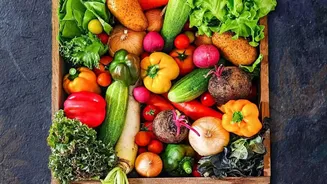
Nothing says comfort in the rain like a warm bowl of soup. Light, home-cooked vegetable soups are one of the best foods to have during the monsoon. They are easy to digest, hydrating, and packed with nutrients from well-cooked vegetables. Seasoning your soup with digestive spices like black pepper, cumin, and a little ginger can further enhance its health benefits. A warm soup not only soothes the soul but also helps keep your digestive fire strong, which according to Ayurveda, is weaker during this season.