


Start with a Thorough Inspection
The first step in post-monsoon care is a careful assessment. Weeks of heavy rain and high humidity can take a toll on your plants. Begin by clearing out debris like fallen leaves and dead stems from your pots and garden beds. This simple clean-up improves
airflow and removes potential hiding spots for pests and fungal diseases. Check the soil in your pots; if it's soggy, compacted, or has a funky smell, it’s a clear sign of waterlogging. Look closely at the leaves for signs of trouble. Common issues after the rains include black spots, powdery mildew (a white, dusty coating), and downy mildew, which appears as pale spots on the top of leaves and greyish mould underneath. Also, inspect stems and the base of your plants for any mushy, blackened areas, which could indicate root rot. Identifying these problems early is key to reviving your garden.
The Art of Timely Pruning
After a period of rapid, sometimes chaotic growth during the monsoon, many plants will look leggy and overgrown. Pruning is essential to bring them back into shape, encourage healthier growth, and improve air circulation. Use clean, sharp shears to avoid crushing stems and spreading disease. Start by removing any dead, damaged, or diseased branches. This not only cleans up the plant's appearance but also directs its energy towards producing healthy new shoots. For flowering plants like hibiscus, bougainvillea, and jasmine, light trimming can stimulate a new flush of blooms. However, avoid heavy pruning, as this can add unnecessary stress. The goal is to thin out dense areas to allow more light and air to reach the inner parts of the plant, which is crucial for preventing the fungal infections that thrive in post-monsoon humidity.
Revive and Refresh Your Soil
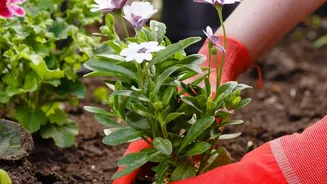
Heavy monsoon rains can do two things to your soil: compact it, suffocating the roots, and leach away essential nutrients. Revitalising the soil is one of the most important recovery tasks. Begin by gently loosening the top two to three inches of soil with a small fork or hand cultivator. This process, known as aeration, helps the roots to breathe again. Next, replenish the lost nutrients. Add a generous layer of well-rotted manure, vermicompost, or compost to the topsoil. This organic matter not only feeds the plants but also improves the soil’s structure and drainage. For an extra boost against pests, consider mixing in some neem cake. If your potted plants were severely waterlogged, you might need to repot them entirely into a fresh, well-draining potting mix.
Pest and Disease Management
The humid, damp conditions left by the monsoon are a breeding ground for pests and diseases. Even after cleaning and pruning, you need to stay vigilant. Fungal issues like leaf spot and powdery mildew are very common. A preventative spray of neem oil solution (about 5ml per litre of water) every 10-15 days can be highly effective. Inspect your plants regularly for common pests like aphids, mealybugs (which look like white, cottony clusters), and whiteflies. If you spot an infestation, act quickly. Infected leaves should be removed immediately to prevent spread. For many common pests, a simple soap-water spray can work wonders. Maintaining good airflow between plants by avoiding overcrowding is one of the best long-term strategies for keeping your garden disease-free.
Prepare for New Growth
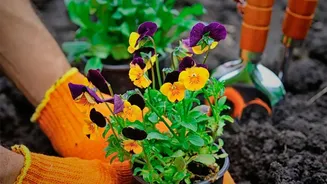
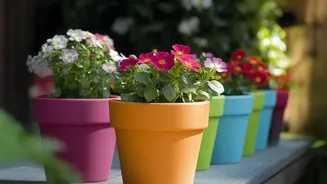
With your garden cleaned, pruned, and fed, it's time to look ahead. The post-monsoon period is an excellent time for planting a new batch of seasonal vegetables and flowers that will thrive in the upcoming winter season. This is the ideal time to sow seeds for tomatoes, beans, radish, okra (bhindi), and leafy greens like amaranth. Many gourds, such as bottle gourd (lauki) and ridge gourd (turai), also do exceptionally well when planted now. If some of your plants have become root-bound during their monsoon growth spurt, this is also the perfect opportunity to repot them into larger containers. This gives their roots fresh space to expand, ensuring they continue to grow strong and healthy.