







Prioritise Comfort and Support Above All
When you're on your feet for hours, comfort is non-negotiable. Look for shoes with excellent cushioning to absorb the impact from hard surfaces like pavement and museum floors. Podiatrists recommend features like shock absorption, a stable sole, and a firm
heel counter, which keeps your foot from wobbling on uneven ground. Good arch support is also critical; it helps distribute pressure evenly across your feet, reducing strain and preventing common issues like plantar fasciitis. The goal is to find a balance: a shoe that is soft enough for long days but firm enough to provide stability.
Match Your Shoes to the Destination
The ideal sightseeing shoe depends heavily on your travel plans. A trip exploring the rainy, cobblestoned streets of a European city requires different footwear than a beach vacation. For urban environments, look for shoes with durable rubber outsoles that offer good grip on potentially slippery surfaces. If your itinerary includes hiking or walking on trails, a lightweight hiking boot or trail shoe with ankle support is a better choice. For warm-weather destinations, breathable materials like mesh or natural fibres will help keep your feet cool and dry, preventing blisters. Water-friendly sandals with contoured support are perfect for coastal or resort settings.
Find the Perfect Fit
A great shoe is useless if it doesn't fit correctly. One of the biggest mistakes travellers make is not getting their feet properly measured. It's best to try on shoes in the afternoon, as feet tend to swell slightly throughout the day and during flights. When trying on a pair, wear the same type of socks you plan to use on your trip. There should be about a thumb's width of space between your longest toe and the end of the shoe, and your toes should have enough room to wiggle. The heel should be snug and not slip out as you walk. Shoes with laces or adjustable straps are excellent for travel because you can loosen them to accommodate swelling.
The 'Break-In' Period Is Not Optional
Never, ever wear a brand-new pair of shoes for the first time on a long sightseeing day. Doing so is a recipe for painful blisters and discomfort. Plan to buy your travel shoes at least two to four weeks before your trip to give yourself sufficient time to break them in. Start by wearing them around the house for an hour or two at a time. Then, gradually increase the duration by wearing them for short walks and errands. This process allows the shoe's materials to soften and mould to the specific shape of your foot, while also letting your skin adapt to any new pressure points.
Versatility Is Key for Smart Packing
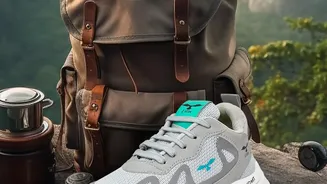
To save precious luggage space, choose versatile footwear that can serve multiple purposes. Many travellers follow a 'three-shoe rule': one pair of high-mileage walking shoes, one dressier option for evenings, and one casual or activity-specific pair like a sandal. A supportive sneaker in a neutral colour like black, white, or grey can transition from a day of exploring to a casual dinner. Brands like New Balance, HOKA, and Brooks are often recommended for their combination of support and style. Stylish flats, loafers, or ankle boots can also be great options, provided they offer adequate support and have been properly broken in.
Pack a Backup Pair
Even the most trusted pair of shoes can benefit from a day off. Packing two different pairs of comfortable walking shoes is a wise strategy. Alternating between them gives each pair time for its cushioning to decompress and any moisture to dry out. This also gives your feet a rest, as different shoes will apply pressure to different spots, which can help prevent sores and blisters from developing. If one pair gets soaked in an unexpected downpour, having a dry backup means your trip can continue without interruption.