
The Elevation Effect
The most significant factor in the Rockies is altitude. As you climb, the atmosphere thins and air pressure drops, causing temperatures to fall reliably. A general rule of thumb is a drop of about 0.6°C for every 100 metres of elevation gained. So, a pleasant
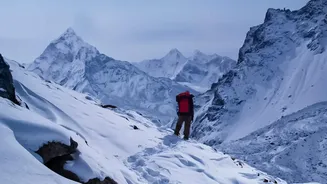
20°C at the trailhead in a valley can easily become a frigid 5°C on an exposed ridge 2,500 metres up. This means that even on a warm summer day, conditions above the treeline can be cold enough for snow. High-elevation trails may remain snow-covered well into mid-summer, creating risks of slipping or post-holing, where your leg sinks deep into unstable snow. The sun is also more intense at higher elevations; ultraviolet radiation is stronger, making sunscreen and sunglasses essential, even on overcast days.
Mountains Make Their Own Weather
The sheer size of the Rockies forces air masses to change, a process known as orographic lift. When moist air from the Pacific is pushed up the western slopes, it cools, condenses, and forms clouds, often resulting in rain or snow. As this now-dry air descends the eastern slopes, it warms up, creating the famous Chinook winds, which can gust over 100 km/h and dramatically raise temperatures. This dynamic means one side of a mountain range can be experiencing a storm while the other is sunny. Afternoon thunderstorms are a classic summer hazard, developing quickly as the sun heats the ground and creates unstable, rising air currents. For this reason, experienced hikers often start their ascents before dawn to be off exposed ridges by the early afternoon.
The Triple Threat: Cold, Wind, and Wet
The most dangerous scenario in the mountains, even in summer, is the combination of getting cold, windy, and wet. This trifecta is the classic recipe for hypothermia, a life-threatening condition where your body's core temperature drops below 35°C. It can happen in temperatures as high as 10-15°C. A sudden downpour can soak your clothing, and water pulls heat from the body about 25 times faster than air. Add in the persistent, strong winds common on alpine ridges, and your perceived temperature plummets. This is why avoiding cotton clothing is critical; it absorbs moisture and stays wet, drastically increasing heat loss. Instead, dressing in synthetic or wool layers that you can add or remove is key to managing both sweat and external moisture.
Year-Round Hazards: Avalanches and Rockfall
While often considered a winter danger, avalanches can and do occur even in summer months. Lingering snowpack on high-elevation trails can become unstable due to warming temperatures or rain, leading to unexpected slides. Parks Canada frequently posts warnings for popular summer trails that cross avalanche paths. Rockfall is another persistent danger on steep terrain. Loose rocks can be dislodged by other hikers, animals, or natural freeze-thaw cycles. It's crucial to be aware of the terrain above you and to avoid stopping in exposed gullies or at the base of cliffs.
How to Prepare for the Unpredictable
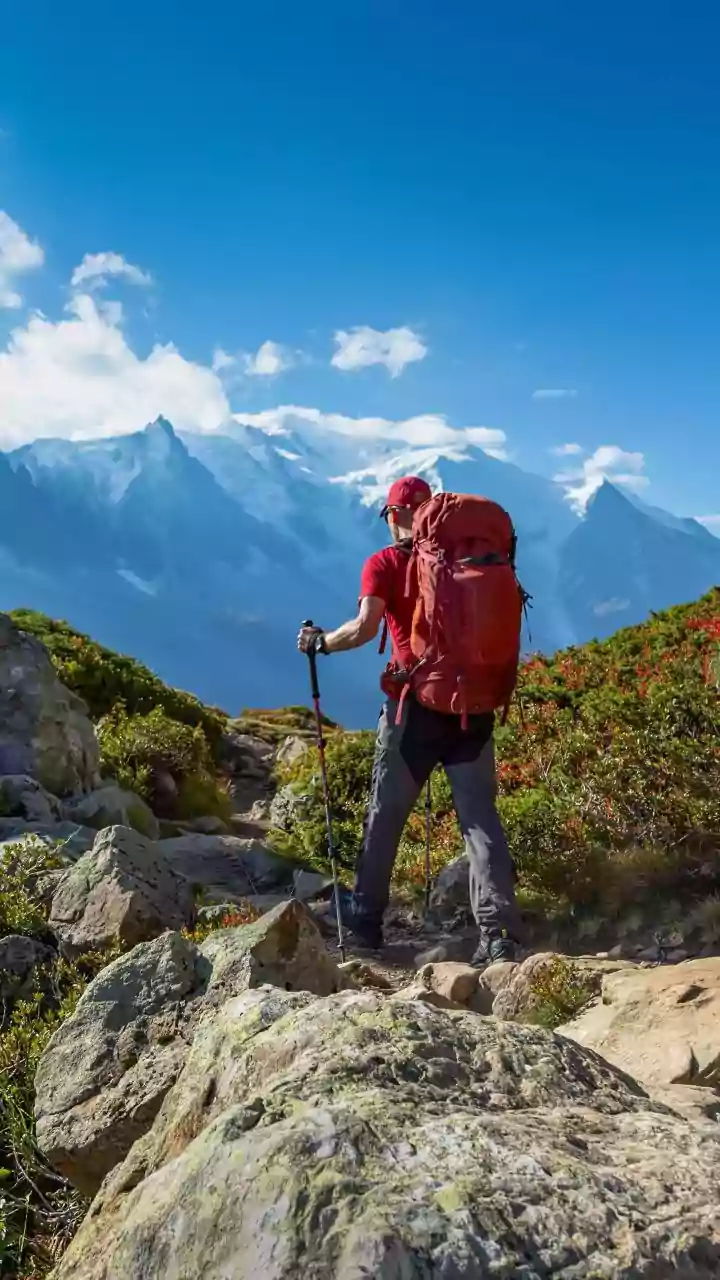
Safe travel in the Rockies is all about preparation. Never trust a clear morning sky. Before every hike, check multiple weather sources, including mountain-specific forecasts and the Parks Canada trail condition reports. Always carry the 'ten essentials', including navigation tools, a headlamp, and a first-aid kit. Your daypack should always contain extra layers of non-cotton clothing, including a waterproof rain jacket and pants, plus a warm hat and gloves, regardless of the season. Pack more food and water than you think you'll need; calories are fuel to generate body heat. Finally, tell someone your trip plan and when you expect to be back. Cell service is unreliable in the mountains, so this step is a critical safety net.