

Diwali, the festival of lights, illuminates India in a dazzling display of unity. Yet, beyond the common glow of diyas lies a fascinating diversity in rituals, myths, and traditions that vary from one state to another. Here’s a look.
West Bengal: A Night for the Fierce Mother
In West Bengal, the
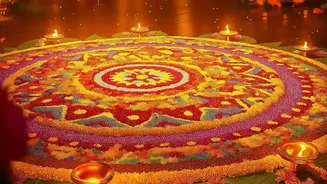
night of Diwali is dedicated to Kali Puja, not Lakshmi Puja as is common elsewhere. The festival, known locally as Deepabali, honours the fierce goddess Kali, the destroyer of evil. Pandals with magnificent idols of the goddess spring up across cities and towns, and worship takes place late into the night, often at midnight. The day before, on 'Bhoot Chaturdashi', Bengalis light fourteen lamps to honour fourteen ancestors and ward off evil spirits, a ritual often accompanied by eating fourteen different types of leafy greens ('choddo shaak'). While homes are decorated with diyas and 'alpona' (rice flour art), the focus is on the powerful feminine energy of Kali, celebrating her as a fierce protector.
Goa: The Burning of Narakasura
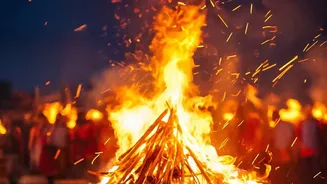
Goa's Diwali celebrations are centred around Naraka Chaturdashi and the legend of Lord Krishna's victory over the demon king Narakasura. The most distinctive tradition is the creation and burning of giant, often grotesque, effigies of Narakasura. In the weeks leading up to the festival, local youth groups build these effigies from bamboo, grass, and paper, competing for the most impressive creation. On the eve of Diwali, these effigies are paraded through the streets with much fanfare before being burned at dawn, symbolizing the triumph of good over evil. This is followed by an early morning oil bath, and families often prepare at least five different dishes made from 'poha' (flattened rice).
Tamil Nadu: A Dawn Celebration
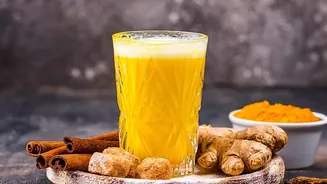
In Tamil Nadu, Deepavali is primarily a one-day affair celebrated on Naraka Chaturdashi, the day before the new moon. Unlike in North India, where festivities peak in the evening, Tamil celebrations begin before sunrise. Families wake up for a customary pre-dawn oil bath known as 'Ganga Snanam', which is considered as holy as taking a dip in the Ganges. This ritual commemorates Lord Krishna's victory over Narakasura. Another unique custom is consuming 'Deepavali Marundhu' or 'Legiyam', a medicinal paste made of herbs and spices to aid digestion amidst the festive feasting. New clothes are worn, crackers are burst in the morning, and homes are decorated with intricate 'kolam' designs.
Maharashtra: A Five-Day Affair
Maharashtra observes a grand fivenday Diwali festival with specific rituals for each day. The celebration starts with 'Vasu Baras', a day dedicated to worshipping cows and their calves, symbolizing gratitude. On Naraka Chaturdashi, Maharashtrians perform the 'Abhyanga Snan', a special bath before sunrise using a fragrant paste called 'utane' instead of soap. Lakshmi Pujan on the third day is a major event where wealth, jewellery, and even the household broom are worshipped. The festival continues with 'Bali Pratipada' and concludes with 'Bhau Beej', which celebrates the bond between brothers and sisters.
Gujarat : Ringing in a New Year
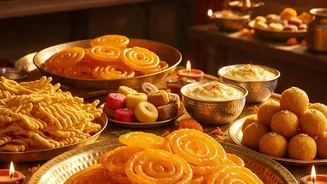
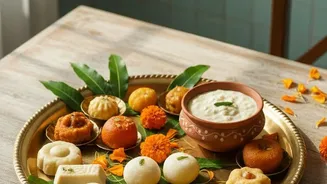
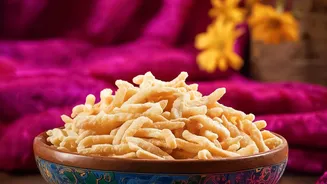
For Gujaratis, Diwali is intrinsically linked to the new year. The day after Diwali is celebrated as 'Bestu Varas', the Gujarati New Year, according to the Vikram Samvat calendar. This marks a fresh start, with families visiting temples and greeting each other with 'Saal Mubarak'. A significant ritual is 'Chopda Pujan', where business owners worship their new account books, seeking blessings from Goddess Lakshmi for a prosperous financial year ahead. Homes are decorated with elaborate rangoli, and the festive menu is laden with a variety of savoury snacks known as 'farsan' and sweets like 'mohanthal'.
Uttar Pradesh : The Diwali of the Gods
While Ayodhya celebrates the return of Lord Ram with grand Deepotsav events on Diwali, the city of Varanasi has its own spectacular followup festival. About fifteen days after the main Diwali festival, on the full moon day of Kartik Purnima, Varanasi celebrates 'Dev Deepawali'—the Diwali of the Gods. It is believed that on this day, the gods descend to Earth to bathe in the holy Ganges. To welcome them, millions of earthen lamps are lit on the steps of all the ghats along the river, creating a breathtaking spiritual spectacle that attracts pilgrims and tourists from around the world.