






Beyond the Sightseeing Checklist
For decades, a trip to Asia might have been defined by a race to see the Taj Mahal, the Great Wall, or the temples of Angkor Wat. While these landmarks are iconic for a reason, a new travel philosophy is taking hold. Experience-led travel prioritises
active participation over passive observation. It’s the difference between seeing a floating market and taking a boat to learn from a local vendor, or between dining at a tourist-trap restaurant and joining a family-run cooking class. This approach encourages travellers to immerse themselves in the culture, daily life, and traditions of a destination. The goal is no longer to just tick items off a list, but to engage in activities that foster personal growth, deeper cultural understanding, and a genuine connection to the place you are visiting.
The Surprising Impact on Your Budget
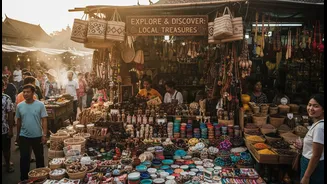
A common misconception is that “experience” is a code word for “expensive.” In reality, an experience-first mindset can be surprisingly budget-friendly. By sidestepping heavily commercialised tourist zones, you often find better value. Eating at local street food stalls where residents dine can cost a fraction of a tourist-oriented restaurant, and the food is often more authentic. Choosing a homestay or a family-run guesthouse over a large hotel chain not only saves money but directs your funds straight into the local community. Similarly, using local transport like buses or trains instead of private taxis offers both savings and a slice of daily life. This approach isn't about being cheap; it's about spending smarter and valuing authentic interactions over pre-packaged luxury. Slowing down and spending more time in one place also reduces transportation costs and allows for a deeper, more affordable connection.
Crafting a More Meaningful Itinerary
Planning an experience-led trip requires a shift in focus from “where to go” to “what to do.” Instead of a rigid, location-based schedule, consider building your itinerary around interests. This could mean a culinary tour through Vietnam, a wellness journey focused on Ayurvedic practices in Kerala, or an adventure trip hiking in Nepal. Indian travellers, for example, are increasingly planning entire trips around specific draws like nature-based attractions and immersive cultural activities. Flexibility is key. Leave room in your schedule for spontaneous detours and unexpected invitations, as these often lead to the most memorable moments. Rather than booking every single activity in advance, connect with local guides who can help you discover hidden gems and experiences away from the crowds.
Authentic Encounters Across Asia
The opportunities for immersive experiences across Asia are boundless. In Thailand, you can participate in a sustainable tourism initiative that involves electric vehicle road trips to lesser-known provinces. In Japan, you can go beyond Tokyo and stay in a traditional ryokan, learn a craft like sake brewing, or participate in a martial arts class in Kyoto. Vietnam offers everything from learning traditional fishing techniques to taking a cable car up Fansipan mountain for breathtaking views. In India, you can find culinary heritage tours, take part in an Aarti ceremony on the Ganges, or learn about local crafts in Rajasthan. These activities move you from spectator to participant, creating stories and skills that last far longer than a photograph.
The Real Return on Investment
The ultimate value of an experience-first holiday isn't measured in dollars saved or landmarks seen. It's measured in personal transformation. Stepping out of your comfort zone to navigate a new environment builds confidence and resilience. Engaging with different cultures fosters empathy and can challenge your own perspectives, leading to a richer understanding of the world. These journeys create vivid, lasting memories because they are built on active participation and emotional connection. You return home not just rested, but enriched, with a broader horizon and a collection of stories that are uniquely yours. This shift from consumption to connection is redefining what a successful vacation looks like, making travel a more meaningful part of life.