


Heme vs. Non-Heme: Not All Iron Is Equal
Iron comes in two forms: heme and non-heme. Heme iron is found in animal products like meat, poultry, and fish. It is easily absorbed by the body, with absorption rates between 15% and 35%. Non-heme iron, on the other hand, is the type found in plant-based
foods such as lentils, beans, spinach, nuts, and whole grains. Its absorption rate is much lower, ranging from just 2% to 20%. This is the primary reason why vegetarians and vegans need to be more strategic about their iron intake. Because the Indian diet is heavily reliant on plant-based staples, most of the iron consumed is non-heme iron, making absorption a key concern.
Vitamin C: The Key to Unlocking Plant Iron
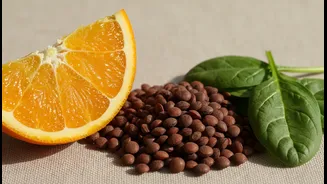
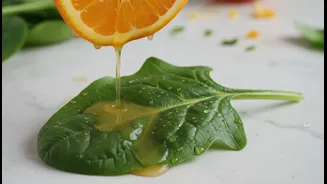
This is where Vitamin C, also known as ascorbic acid, becomes a vegetarian's best friend. Non-heme iron is found in a chemical form (ferric, or Fe3+) that is difficult for our intestines to absorb. Vitamin C is a powerful enhancer of non-heme iron absorption because it helps convert this iron into a more usable form (ferrous, or Fe2+). It essentially forms a protective bond with the iron, keeping it soluble and ready for absorption as it moves through your digestive system. Adding Vitamin C to a meal can significantly increase how much iron your body actually gets from plant sources, helping to counteract the lower bioavailability.
Your Vegetarian Iron Toolkit
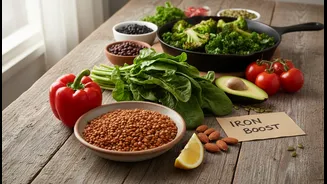
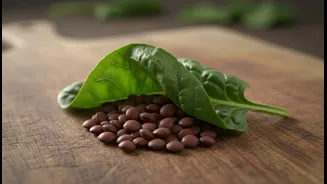
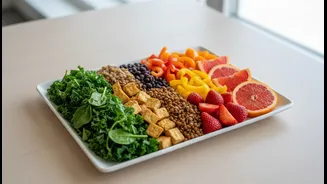
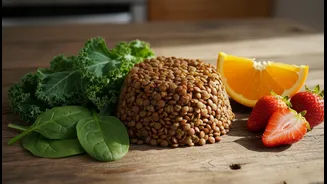
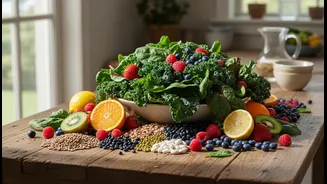
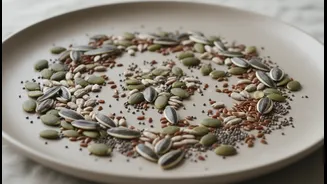
Building an iron-rich vegetarian diet is easier than you think, with many staples of Indian cuisine being excellent sources. Pulses are a powerhouse, with lentils (dal), chickpeas (chana), and kidney beans (rajma) leading the pack. Leafy green vegetables like spinach (palak) and moringa leaves are also fantastic choices. Don't forget seeds and nuts; sesame seeds, pumpkin seeds, and cashews provide a significant iron boost. Even everyday staples like whole wheat rotis contribute to your daily intake. By focusing on incorporating a variety of these foods, you can build a strong foundation for your iron needs.
Finding Your Vitamin C Champion
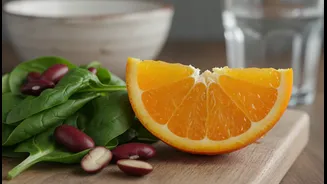
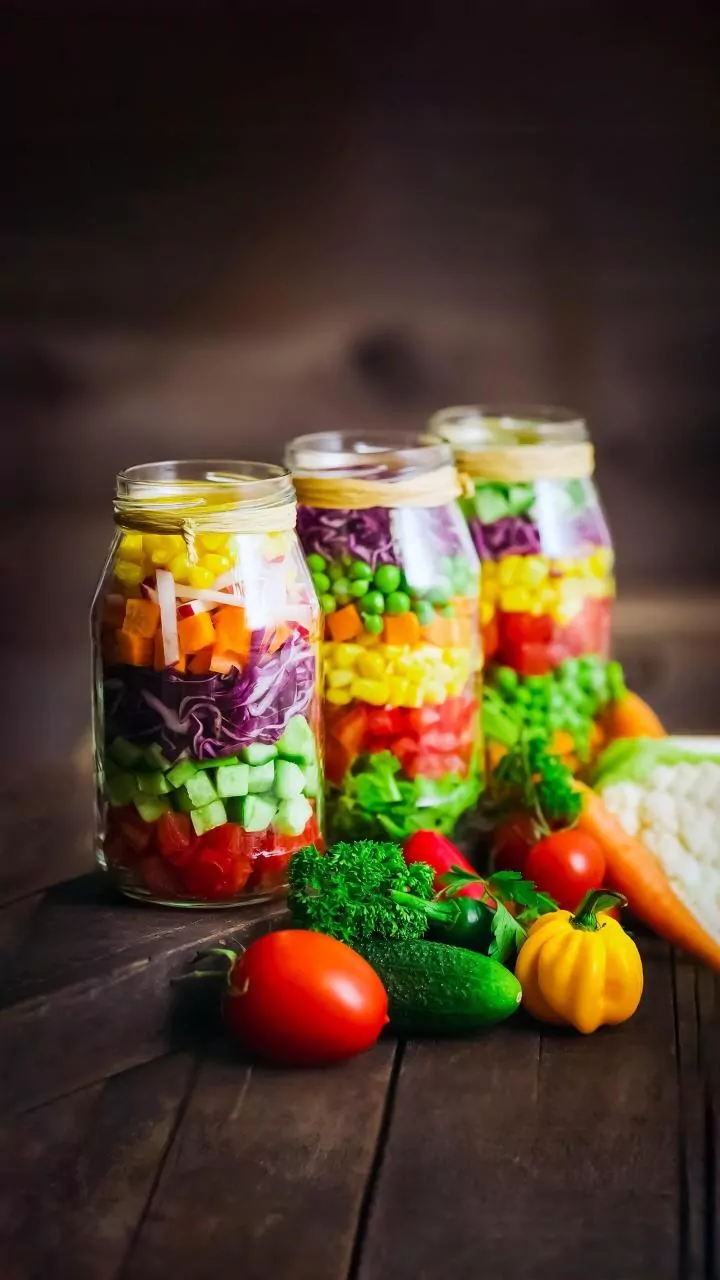
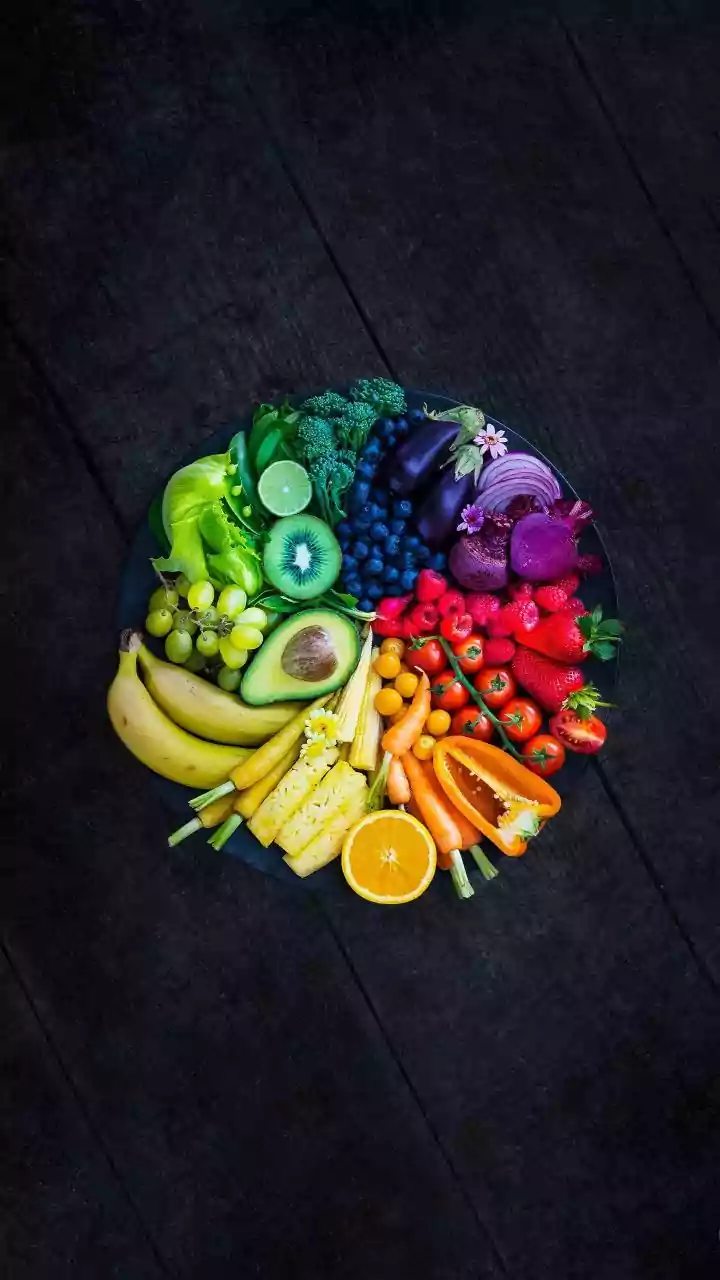
Just as with iron, Vitamin C is abundant in many fresh foods readily available across India. The Indian gooseberry, amla, is a true superfood, containing one of the highest concentrations of Vitamin C. Citrus fruits like oranges, lemons (nimbu), and sweet limes (mosambi) are classic choices. Guava is another fruit that packs a powerful Vitamin C punch, often more than an orange. Vegetables are also excellent sources; bell peppers (capsicum), especially the red and yellow varieties, tomatoes, and even green chillies are rich in this essential vitamin. Making a habit of including these vibrant foods in your meals is the key to unlocking iron's potential.
Putting It All Together: Smart Meal Pairings
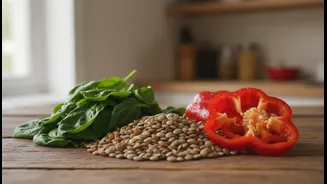
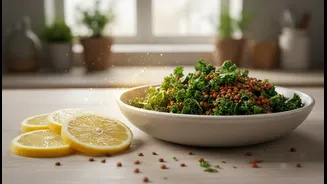
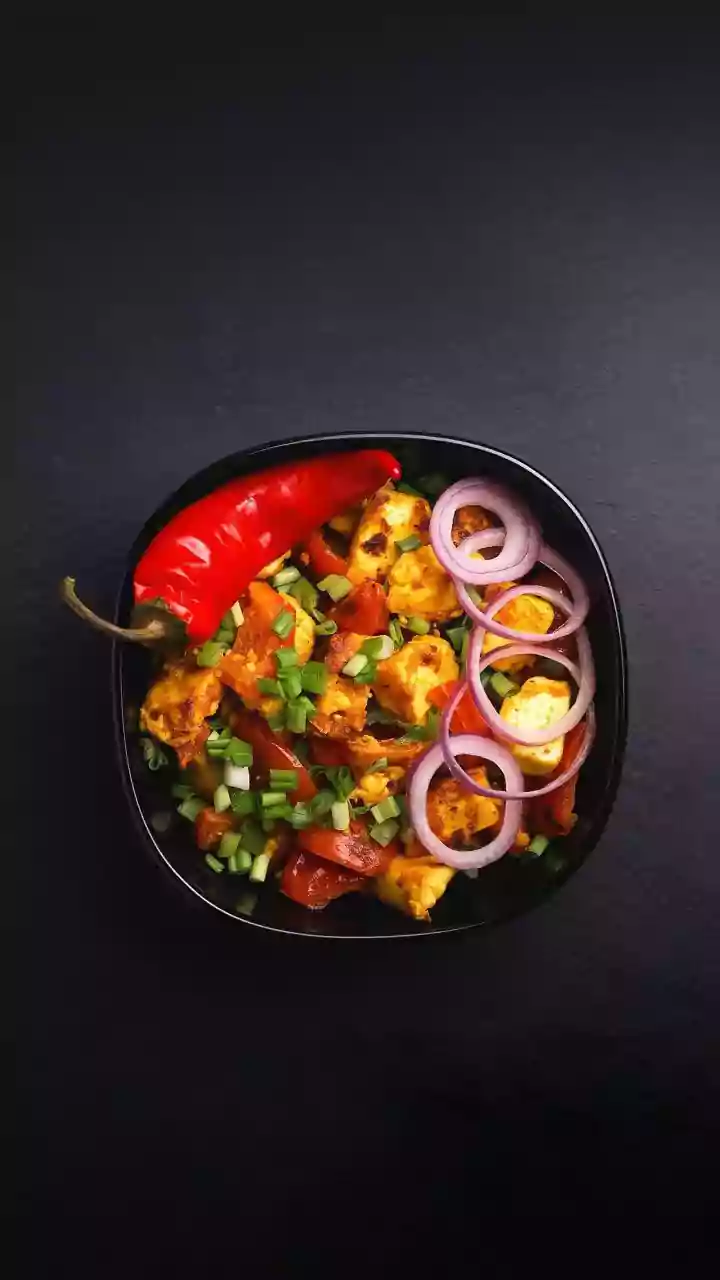
The magic happens when you combine these two groups in the same meal. The rule is simple: eat your iron source with your Vitamin C source. Think about squeezing a generous amount of lemon juice over your bowl of dal or lentil soup. When making palak paneer, ensure the dish has a rich tomato base. A chickpea curry cooked with colourful bell peppers is another perfect combination. You could have a side of raw tomato and onion salad with your meal or snack on an orange or some guava after eating a handful of nuts and seeds. These simple, everyday pairings make a scientifically proven difference in how much iron your body can use.
Watch Out for Iron Blockers
While Vitamin C is a helper, other compounds can be hindrances. Phytates, found in whole grains and legumes, and tannins, found in tea and coffee, can inhibit the absorption of non-heme iron. This doesn't mean you should avoid these healthy foods. Simple preparation methods like soaking beans and lentils overnight can reduce their phytate content. The most practical advice is to avoid drinking tea or coffee right with or immediately after an iron-rich meal. Try to leave a gap of at least an hour to give your body the best chance to absorb the iron from your food.