


Understanding Pododermatitis
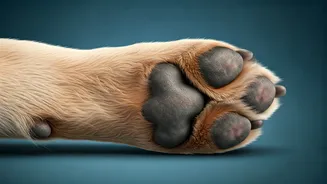
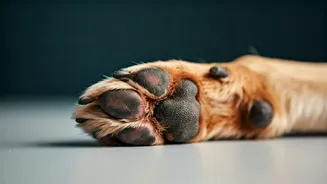
Pododermatitis isn't a disease itself, but a term for inflammation of the paws. It can affect the skin between the toes, the paw pads, and the areas around the nails. This condition is a sign of an underlying issue, which can range from allergies and infections
to foreign objects lodged in the paw. While many things can cause it, fungal infections, particularly from yeast, are a frequent culprit. A yeast called Malassezia is normally present on a dog's skin, but an overgrowth can lead to infection and inflammation, especially in warm, moist areas like between the toes.
Telltale Signs and Symptoms
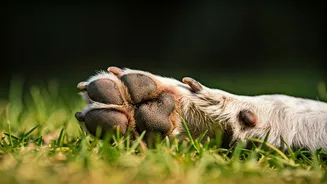
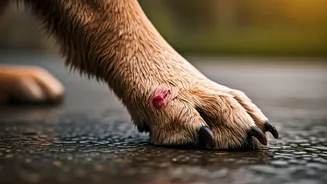
The most obvious sign of paw trouble is often behavioral. You might notice your dog excessively licking, chewing, or biting at their paws. This is a primary indicator of itchiness or pain. Visually inspect their paws for other clues. Look for redness and swelling, especially in the spaces between their toes. The fur around the paws might have a reddish-brown discoloration, which can be caused by saliva from constant licking. Other signs include hair loss, scaly skin, or even small bumps or sores that may have a discharge. A distinct, musty, or "corn chip" smell is also a strong indicator of a yeast or bacterial infection.
Why Are City Dogs at Risk?
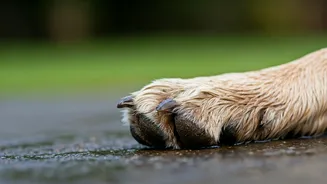
Urban environments present a specific set of challenges for a dog's paws. Pavement and concrete can be abrasive, and in summer, they can become hot enough to cause burns. City parks and sidewalks can expose paws to a higher concentration of allergens like pollen and dust, as well as irritants like road salt and cleaning chemicals. This constant exposure can lead to allergic reactions or contact dermatitis, inflaming the skin and making it more susceptible to secondary infections. Furthermore, moisture from puddles or rainy walks can get trapped between the toes, creating the perfect damp environment for fungal organisms like yeast to thrive.
Getting the Right Diagnosis
Because pododermatitis can have many causes—including allergies, parasites, bacterial infections, or even hormonal issues—a proper diagnosis from a veterinarian is essential. A vet will perform a thorough physical exam of your dog's paws. To specifically check for a fungal infection, they will likely take a skin sample using a swab, scrape, or piece of tape. This sample is then examined under a microscope (a process called cytology) to identify an overgrowth of yeast or bacteria. In some recurrent or complex cases, a culture may be performed to identify the exact microorganism and determine the most effective treatment.
Treatment and Next Steps
Treatment for fungal pododermatitis typically involves a multi-pronged approach. Your veterinarian will prescribe a plan to address the infection and the underlying cause. This often includes topical treatments like medicated wipes, sprays, or shampoos containing antifungal agents. Paw soaks with a veterinarian-recommended solution can also help soothe irritation and cleanse the area. For more severe or persistent infections, oral antifungal medications may be necessary. It's crucial to follow the vet's instructions completely and address any primary triggers, such as allergies, to prevent the problem from returning.
Prevention and Paw Care
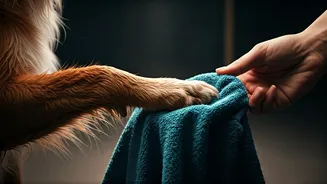
Good paw hygiene is the best defense. After walks, gently wipe your dog's paws with a damp cloth or pet-safe wipe to remove dirt, allergens, and irritants. Be sure to dry them thoroughly, especially the areas between the toes. Keeping the fur between the paw pads trimmed short can help prevent moisture and debris from getting trapped. Regular nail trims are also important, as overgrown nails can affect paw posture and cause discomfort. For dogs prone to dryness or cracking, a vet-approved paw balm can help keep pads moisturized and healthy.