




The Science of Heat Stress
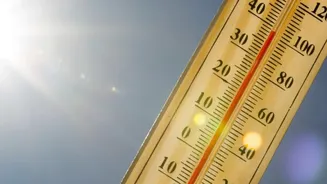
Dairy cattle are sensitive to their environment. When the Temperature-Humidity Index (THI) rises above a certain threshold, typically around 72, cows and buffaloes begin to experience heat stress. This condition compromises their ability to regulate body
temperature, forcing them to divert energy away from production. Symptoms include reduced feed intake, increased water consumption, and rapid breathing. For high-yielding crossbred cattle, which generate more metabolic heat, the problem is even more pronounced compared to indigenous breeds. With summers in India becoming longer and more intense, these periods of stress are no longer just seasonal challenges but a chronic threat.
Falling Yields and Economic Strain
The most direct consequence of heat stress is a drop in milk production. Studies and farmer reports indicate that yields can plummet by 10-30% during extreme heat events. This isn't just about quantity; the quality of milk also suffers, with a decrease in fat and protein content, which directly impacts the price farmers receive. The economic fallout is substantial. One study estimated that climate-induced stress already causes annual losses of around 3.2 million tonnes of milk, valued at over ₹2,600 crore. Projections warn that without significant adaptation, India's milk production could be cut by 25% by 2085, jeopardising the self-sufficiency built over decades.
The Burden on Small Farmers
The Indian dairy sector is dominated by over 80 million small and marginal farmers, many of whom own just a few animals. These farmers are the most vulnerable to climate shocks. They often lack the financial resources to invest in cooling infrastructure like misting fans, climate-controlled sheds, or specialised feed. As milk output drops, their income dwindles, while costs for veterinary care and water rise. This dual pressure pushes many into debt, sometimes forcing them to sell their livestock — their primary productive asset — to cope with financial losses.
More Than Just Heat
The challenge extends beyond heatwaves. Climate change also brings erratic rainfall and prolonged droughts, leading to a nationwide fodder shortage. With shrinking grazing lands and the rising cost of feed, farmers struggle to provide adequate nutrition for their cattle, which further suppresses milk yields. Water scarcity is another critical issue, as it is essential for cooling animals and growing fodder. Buffaloes, which are highly vulnerable to heat stress, are particularly affected by the disappearance of traditional wallowing ponds that help them regulate their body temperature.
A Search for Resilient Solutions
Addressing this crisis requires a multi-pronged approach. At the farm level, many are turning to low-cost adaptation strategies. These include providing shaded areas, using sprinklers or foggers to cool sheds, changing feeding schedules, and planting trees around shelters. There is also a growing recognition of the importance of conserving indigenous, heat-tolerant cattle breeds like the Sahiwal and Hariana. On a larger scale, experts are calling for a coordinated national strategy that includes better early warning systems for heatwaves, climate-resilient fodder cultivation, and institutional support to help farmers access technology and finance. Private sector investment and strong dairy cooperatives will be crucial in making adaptation technologies affordable and scalable.