


Prioritise Paw Hygiene
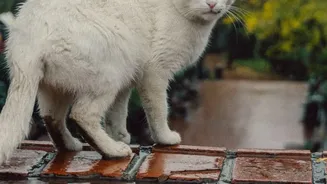
Your pet’s paws are on the frontline of monsoon muck. After every walk, no matter how short, cleaning their paws is non-negotiable. Walking through puddles and on wet streets exposes them to bacteria and other contaminants that can cause infections. Use
lukewarm water and a gentle cleanser to wash their paws, paying special attention to the areas between their toes. The most critical step is drying them completely with a clean, absorbent towel. Trapped moisture is a leading cause of fungal and yeast infections, which cause itching and discomfort. A simple, consistent paw-cleaning routine is your first line of defence against common rainy-season ailments.
Guard Against Parasites
The warm, humid weather of the Indian monsoon creates a perfect breeding ground for ticks and fleas. These parasites are not just an itchy nuisance; they can transmit serious diseases like tick fever. It's crucial to be diligent with your pet’s flea and tick prevention schedule as advised by your veterinarian. After any outdoor exposure, even just on a balcony or in a building corridor, perform a thorough check of your pet's coat. Pay close attention to warm, hidden areas like behind the ears, under the collar, in their armpits, and between their toes. Regular home hygiene, including washing pet bedding in hot water and vacuuming carpets frequently, helps eliminate eggs and larvae.
Keep Them Dry and Well-Groomed
A damp coat is a magnet for skin problems, including painful hotspots (acute moist dermatitis), especially in long-haired breeds. Never let your pet air-dry after getting wet in the rain. Use a highly absorbent towel to dry them thoroughly, and for thicker coats, a pet-safe blow dryer on a low-heat setting can be a lifesaver. While it might seem counterintuitive, it’s best to bathe your pet less frequently during the monsoon, as over-bathing can strip their skin of its natural protective oils. When you do bathe them, use a vet-recommended anti-fungal shampoo and ensure they are dried completely.
Manage Diet and Hydration
Digestive issues can become more common during the monsoon. Ensure your pet always has access to fresh, clean drinking water. Avoid letting them drink from puddles, which can be contaminated with harmful bacteria like leptospirosis. Using filtered or boiled water is a safer choice. High humidity can also cause dry food to spoil or become mouldy faster, so store it in an airtight container. If your pet's appetite changes or they experience stomach upset, it is best to consult your vet rather than self-diagnosing.
Beat Indoor Boredom
With shorter walks and less time outdoors, your pet can easily become bored and restless, which may lead to destructive behaviours like chewing or excessive barking. Keep them mentally and physically engaged with indoor activities. Food puzzles, slow feeders, and snuffle mats turn mealtime into a stimulating challenge that engages their natural foraging instincts. You can also play games like hide-and-seek with treats or toys, or even set up a simple indoor obstacle course with cushions and boxes. Short, engaging training sessions to practice old tricks or learn new ones are another excellent way to burn mental energy.
Soothe Thunderstorm Anxiety
The loud claps of thunder and flashes of lightning can be terrifying for many pets. Your calm demeanor is key; acting relaxed shows your pet there is no real danger. Create a safe, cosy den for them in a quiet part of the house, away from windows. This could be a crate covered with a blanket to muffle the sound or a comfortable bed in a closet. Playing calming music or turning on the television can help mask the noise of the storm. Distracting them with a high-value chew toy can also help. For severe anxiety, compression vests or wraps can have a swaddling, calming effect.