



The Philosophy of a ‘Used’ Home
Let's reframe how we think about our living spaces. Instead of viewing your home as a static object to be perfected and admired, think of it as a dynamic partner in your daily life. A functional home supports your activities, anticipates your needs, and makes
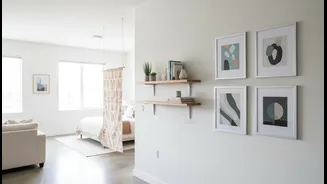
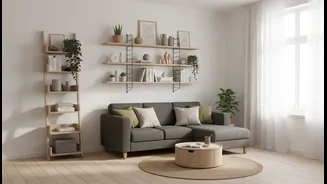
your routines smoother. This is especially critical in smaller homes, where every square foot is precious. The goal is to create distinct 'zones' for different activities, a design practice that carves out purpose within an open or limited area. This isn't about building walls; it’s about strategically arranging your space to signal what happens where. A functional zone doesn't need to be picture-perfect; it just needs to be perfect for its job, whether that’s working, relaxing, or simply entering your home without tripping over a pile of shoes.
The Reading Nook That's Actually Read In
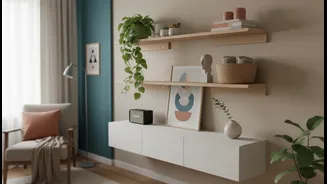
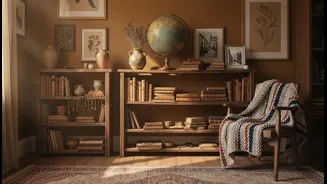
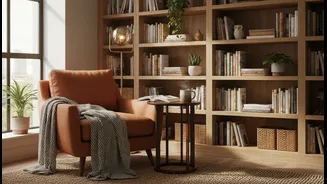
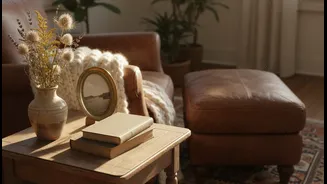
Everyone loves the idea of a cozy reading nook, but many end up as sad, pillow-filled corners that only gather dust. A truly usable reading nook has three key ingredients: a comfortable chair, good lighting, and a place to set your book and a drink. It doesn’t require a dedicated room. An underutilized corner of a bedroom or living room is a perfect candidate. Start with a chair that’s genuinely comfortable for you, not just one that looks good. Add a small table or a stack of sturdy books as a surface. For lighting, a simple floor lamp or a wall-mounted task light is ideal. Storage can be a simple floating shelf for your current reads or a movable book cart you can roll to any chair in the house. The aim is to create a spot so inviting and practical that it naturally pulls you in.
The Entryway That Tames Chaos
In a small apartment, the front door often opens directly into the living room, creating immediate clutter. The solution is to create the illusion of an entryway, a designated 'drop zone' that contains the chaos. You don’t need a formal foyer to do this. A narrow console table, a small bench with storage underneath, or even just a well-placed rug can define the space. Vertical space is your best friend here. A row of hooks on the wall takes up zero floor space but provides a home for coats, bags, and keys. A slim storage ottoman offers a place to sit and take off your shoes while hiding them away inside. The goal isn't to have a grand entrance; it's to have a functional system that stops clutter at the door and makes leaving the house just as easy.
The Work-from-Home Spot That Disappears
When your office is also your dining room and your living room, it's hard to switch off. The best small-space work zones are the ones that can be packed away at the end of the day. This mental and physical separation is key to work-life balance. Consider a wall-mounted fold-down desk, which provides a dedicated workspace but vanishes when you're done. Another option is a 'secretary desk' with a fold-down front that hides your work clutter. If even that is too much, create a 'work-in-a-box' system. Use a stylish box or basket to hold your laptop, notebook, and pens. At the end of the day, pack everything up and put the box on a shelf. Your office is officially closed.
The Multi-Purpose Dining Area
A dedicated dining room is a luxury many small homes can't afford. The key is multifunctional furniture that adapts to your needs. An extendable dining table can stay small for daily use and expand when you have guests. Nesting tables can act as side tables most of the time but be pulled out for extra surface area during meals or hobbies. A lift-top coffee table can transform from a low lounge height to a comfortable dining or work height. The space itself can also be multi-purpose. That dining table isn't just for eating; it's for puzzles, hobbies, and conversations. By choosing versatile pieces, you’re not sacrificing the ability to host; you’re simply making smarter use of the space you have.