








What Is DigiYatra, Exactly?
At its core, DigiYatra is a digital initiative from the Ministry of Civil Aviation designed to make your journey through the airport faster and entirely paperless. Instead of showing your ID and boarding pass at multiple checkpoints, you use your face
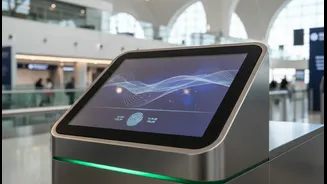
as your boarding pass. Passengers enroll by downloading the DigiYatra app, creating an ID using their Aadhaar details, and taking a selfie. Before a flight, you upload your boarding pass to the app. At the airport, dedicated e-gates use facial recognition technology to verify your identity and flight details, allowing you to breeze through terminal entry, security checks, and even boarding without flashing a single document.
From Launch to Mainstream in Record Time
Launched in December 2022 at just three airports, the platform's growth has been explosive. By May 2026, the service had facilitated over 10 crore passenger journeys, with the app being downloaded more than 2.4 crore times. This rapid adoption highlights a significant shift in passenger behaviour and trust in digital solutions. The system has proven its efficiency, slashing the average processing time at airport entry gates from 15 seconds per passenger down to just five. This isn't just a minor convenience; it's a strategic tool for managing India's booming air traffic, which is projected to reach 50 crore passengers annually by 2030.
The Privacy Question: Where Does Your Data Live?
The convenience of facial recognition inevitably raises questions about data privacy. In an era of heightened awareness around data security, many travelers are rightfully cautious. The DigiYatra Foundation, which operates the platform, states the system uses a 'privacy-by-design' framework. A key feature is that it does not create a centralized database of passenger biometrics. Instead, an encrypted token of your facial data is stored securely on your own smartphone. This information is shared with the departure airport for a limited duration only for verification purposes and is purportedly purged from airport systems within 24 hours of the flight. While privacy advocates have raised concerns about potential surveillance and the need for a robust data protection law, the current architecture is designed to give users control over their information.
The Road Ahead: Expansion and What's Next
The 10-crore milestone is just the beginning. The service is already operational at 38 airports, and the Ministry of Civil Aviation plans to expand it to another 27 by next year. This will include all upcoming greenfield airports like those in Navi Mumbai and Jewar, which will be DigiYatra-enabled from day one. There are also plans for international travel integration, with pilots underway to align with global standards. To improve accessibility, the app currently supports 11 languages, with plans to add 11 more regional languages by the end of the year. This focus on expansion and inclusivity shows a clear intent to make biometric boarding the standard, not the exception, for all Indian air travelers.