





So, What Is 'Swicy'?
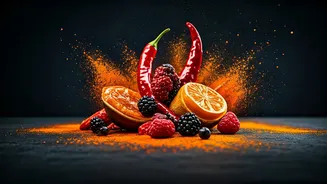
At its core, 'swicy' is exactly what it sounds like: a portmanteau of sweet and spicy. But this trend is far more sophisticated than just dousing your dessert in hot sauce. It’s about a deliberate, balanced dance of flavours where sugar and heat elevate
each other. Think of the way the sweetness of honey can temper and then amplify the kick of a chilli flake, or how a sprinkle of spice can cut through the richness of a mango. This isn’t a battle for dominance on your tongue; it’s a partnership. The sweetness provides a comforting, satisfying base, making the palate more receptive to the exciting, lingering burn of the spice. This combination triggers a complex sensory response, keeping our brains engaged and making us crave another bite.
A Global Phenomenon with Indian Roots
While 'swicy' feels like a new-age internet trend, the concept is ancient and global. Mexico has its chamoy-drizzled fruits, Thailand has its iconic sweet chilli sauce, and Korean cuisine has made gochujang a worldwide sensation. But India has been a master of this flavour play for centuries. Our culinary heritage is built on balancing complex tastes. Think of the sweet-and-sour-and-spicy notes in a classic tamarind chutney (sonth), the fiery kick in a sweet mango pickle (chunda), or the simple, irresistible joy of eating guava slices sprinkled with salt and red chilli powder. What's new is the urban, modern packaging and the explicit branding of this combination. Cafes and food brands are now isolating this specific profile and making it the star of the show, rather than just one element in a larger dish.
How the Trend is Showing Up in India
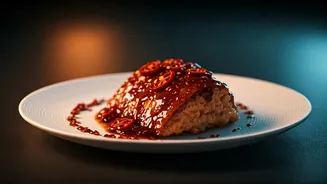
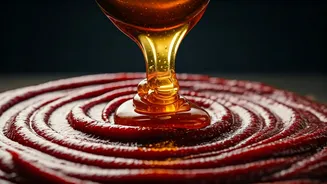
The swicy wave is washing over Indian metros in delicious ways. Artisan brands are selling bottles of 'hot honey'—a condiment that’s now a staple drizzle for everything from fried chicken to avocado toast and even pizza. Gourmet ice cream parlours are experimenting with flavours like spicy guava, chilli chocolate, and pineapple-chilli sorbet. Your neighbourhood cafe’s menu likely features a 'spicy mocha' or a 'chilli hot chocolate.' Even cocktail menus aren't immune, with spicy margaritas (with a sugar or salt-chilli rim) and chilli-infused gins becoming standard offerings. On social media, food influencers are creating viral recipes for dishes like gochujang-glazed paneer skewers and peri-peri chaat, pushing the trend from restaurant menus into our home kitchens.
Why We're Craving the Clash
Why this sudden obsession with swicy? The answer is multi-layered. Firstly, our palates have become more adventurous, thanks to increased global travel and exposure to international cuisines via the internet. We’re no longer satisfied with one-dimensional flavours. Secondly, it’s a response to 'flavour fatigue.' After years of predictable tastes, the thrilling sensory jolt of a sweet-and-spicy combination feels novel and exciting. There’s a psychological component, too. The mild 'pain' from the spice triggers the release of endorphins, creating a sense of euphoria, which is then comforted and balanced by the sweetness. It’s a literal rollercoaster of flavour, perfectly suited for a generation seeking more intense experiences, both online and on their plate. Plus, these dishes are incredibly photogenic—the glistening glazes and vibrant red drizzles are made for Instagram.
Get Swicy in Your Own Kitchen
Jumping on this trend doesn't require a culinary degree. It’s all about experimenting. Start simple. Drizzle some honey mixed with chilli flakes over roasted vegetables or a block of feta cheese before baking. Add a spoonful of spicy Schezwan chutney to your next grilled cheese sandwich. Next time you make Maggi, try adding a dash of maple syrup or honey along with the chilli—it’s a game-changer. You can also make a simple swicy dip by mixing yoghurt with hot sauce and a bit of jaggery powder. The key is to start small and find the ratio that you love. It’s about personalising the heat and sweetness to create your own perfect flavour bomb.