
In a world grappling with the waste of fast fashion, India's age-old traditions offer a masterclass in sustainability. Long before 'upcycling' was a buzzword, these five fabric reuse techniques turned worn textiles into works of art.
Kantha: The Running Stitch of Bengal
Perhaps one of the
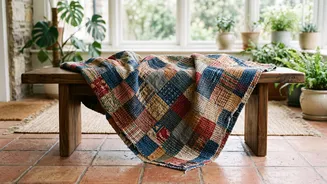
most well-known forms of textile reuse, Kantha comes from the eastern states of West Bengal and Odisha. At its core, Kantha is a simple running stitch, but its application is profound. Traditionally, women would layer old, soft saris and dhotis, stitching them together to create soft quilts, blankets, and bedspreads known as 'nakshi kantha'. The thread used for the embroidery was often pulled from the borders of the old saris themselves, making it a complete nose-to-tail process. The stitching wasn't just functional; it was a canvas for storytelling, with motifs depicting folk tales, daily life, and nature. Today, Kantha embroidery adorns everything from jackets to dupattas, but its soul lies in giving cherished old fabrics a new and beautiful purpose.
Gudri: The Layered Comfort of the West
Hailing from the rural communities of Maharashtra and Rajasthan, Gudri is the art of creating rustic and vibrant quilts from worn-out clothing and fabric scraps. Similar to Kantha, the process involves layering several pieces of old cloth and stitching them together with a simple running stitch. However, Gudris are often characterized by their bright, contrasting colours and bold, geometric patterns. There is a raw, unrefined beauty to a Gudri quilt. Each piece tells the story of the fabrics it contains—a piece of a faded sari here, a remnant of a child's frock there. They are a testament to resourcefulness and the belief that nothing should go to waste, transforming humble scraps into a warm, functional, and deeply personal household item.
Sujani: The Narrative Quilts of Bihar
Sujani, a textile tradition from Bihar, literally translates to 'easy or facilitating birth'. Originally, women would stitch together pieces of old cloth to make soft quilts for newborns, a practice that was believed to be auspicious and protective. The stitches used were simple, but the quilts became a medium for personal expression. Women would embroider intricate stories and motifs onto the fabric, often depicting personal hardships, social issues, or dreams for their children. This transformed a simple act of reuse into a powerful form of social commentary and narrative art. While modern Sujani is often done on a single piece of new fabric, its origins are firmly rooted in the loving and resourceful act of piecing together the old to welcome the new.
Chindi: The Woven Wonders from Scraps
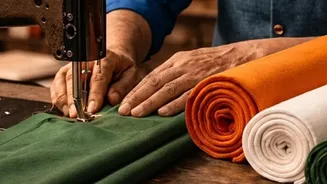
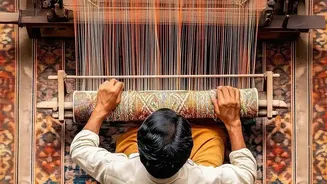
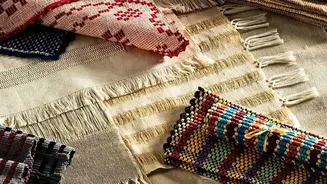
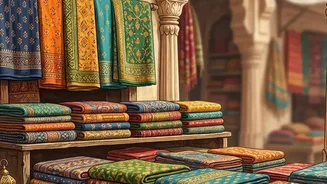
The Chindi tradition is perhaps the most direct and visually striking form of fabric reuse. 'Chindi' literally means 'torn cloth' or 'scrap' in Hindi, and this craft involves weaving together strips of waste fabric from tailors, homes, and textile mills. These colourful strips are woven on a handloom, much like regular yarn, to create vibrant and durable rugs, mats, and bags. The result is a riot of colour and texture, with each piece being entirely unique. Chindi work is a brilliant example of a circular economy in action, turning what would otherwise be landfill waste into functional and affordable products. It embodies the spirit of 'jugaad'—India's famous culture of frugal innovation—and proves that beauty can be found in the most unlikely of materials.
Pattu: The Patchwork Art of the Desert
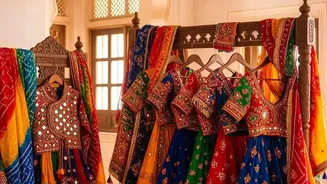
In the arid landscapes of Rajasthan and Gujarat, where resources are precious, the tradition of patchwork, or Pattu, thrives. This technique involves sewing together small, often geometrically shaped pieces of coloured and patterned fabric to create a larger textile. These pieces can be scraps from old garments or leftover bits from tailoring. The craft is often associated with nomadic and desert communities, who use it to create everything from decorative wall hangings and camel trappings to blankets and cushion covers. The intricate designs and vibrant colour combinations reflect the rich visual culture of the region, creating a dazzling mosaic of memory and thrift. Pattu is a celebration of making something beautiful and whole out of disparate, discarded parts.