



What is Fibre-Forward Eating?
At its core, 'fibre-forward' eating is about making dietary fibre the star of your plate, not just a supporting actor. Instead of treating it as an afterthought, this approach involves intentionally choosing ingredients that are naturally rich in this essential
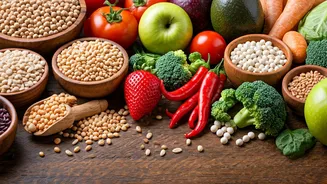
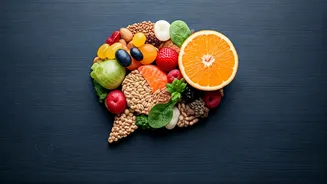
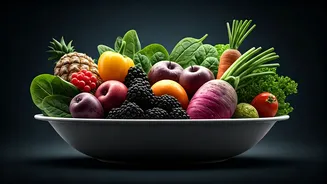
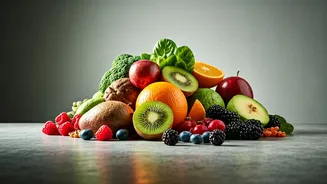
carbohydrate. It means prioritising whole plant foods like fruits, vegetables, whole grains, lentils, beans, nuts, and seeds in every meal. The goal isn't to follow a restrictive diet, but to build meals around foods that nourish your body and keep you feeling full and satisfied. It’s a shift from asking “What protein am I having?” to “Where is my fibre coming from?” This simple change in perspective is revolutionising how we approach our daily meals, especially when it comes to planning ahead.
The Benefits Beyond Better Digestion
Most people associate fibre with preventing constipation, but its benefits are far more extensive. A high-fibre diet is linked to a lower risk of heart disease, stroke, type 2 diabetes, and certain cancers. Because high-fibre foods are more filling and often less energy-dense, they play a crucial role in weight management by helping you feel full for longer on fewer calories. Soluble fibre, found in oats, beans, and apples, can help lower cholesterol and stabilise blood sugar levels. Meanwhile, insoluble fibre, found in whole grains and vegetables, adds bulk and acts like a scrub brush for your digestive system, promoting a healthy gut microbiome by feeding beneficial bacteria.
Your High-Fibre Meal Prep Toolkit
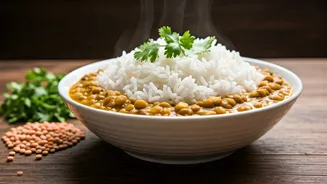
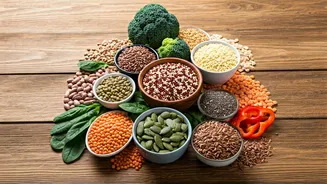
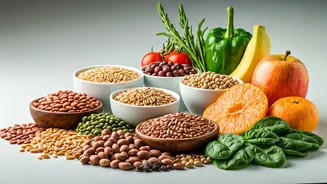
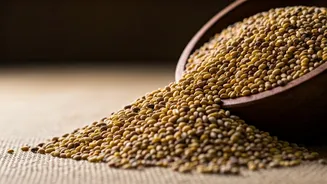
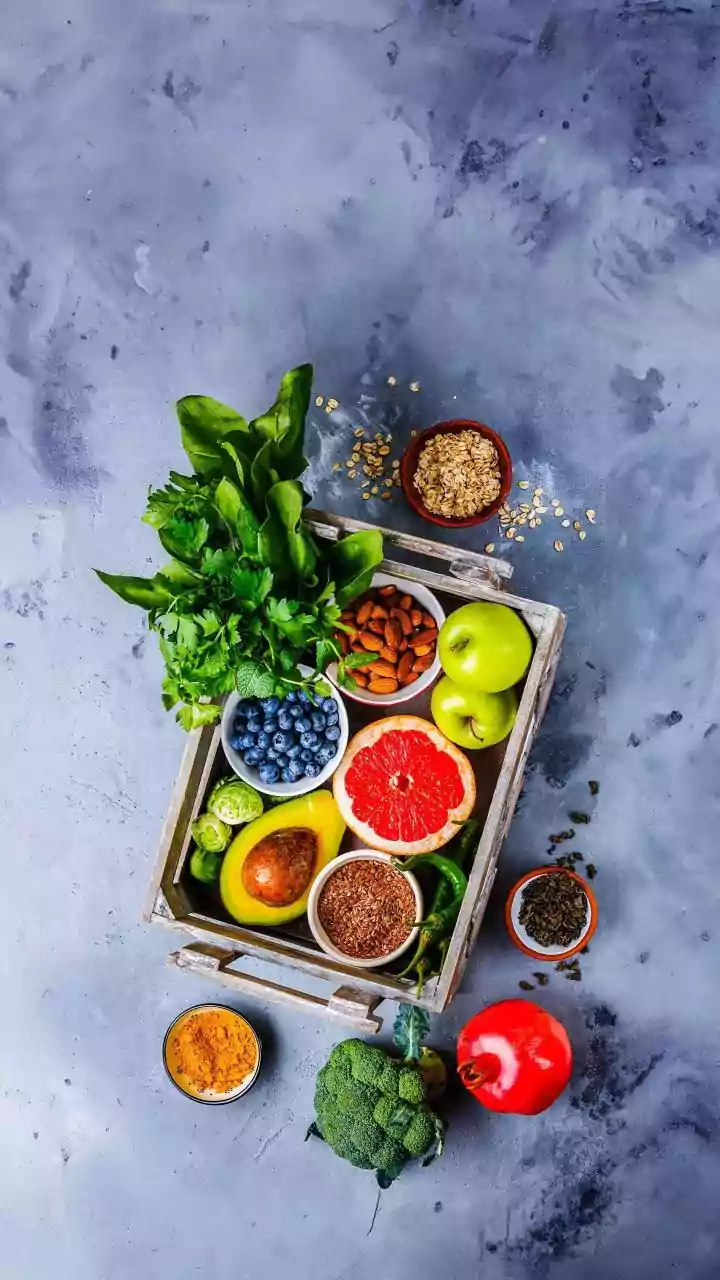
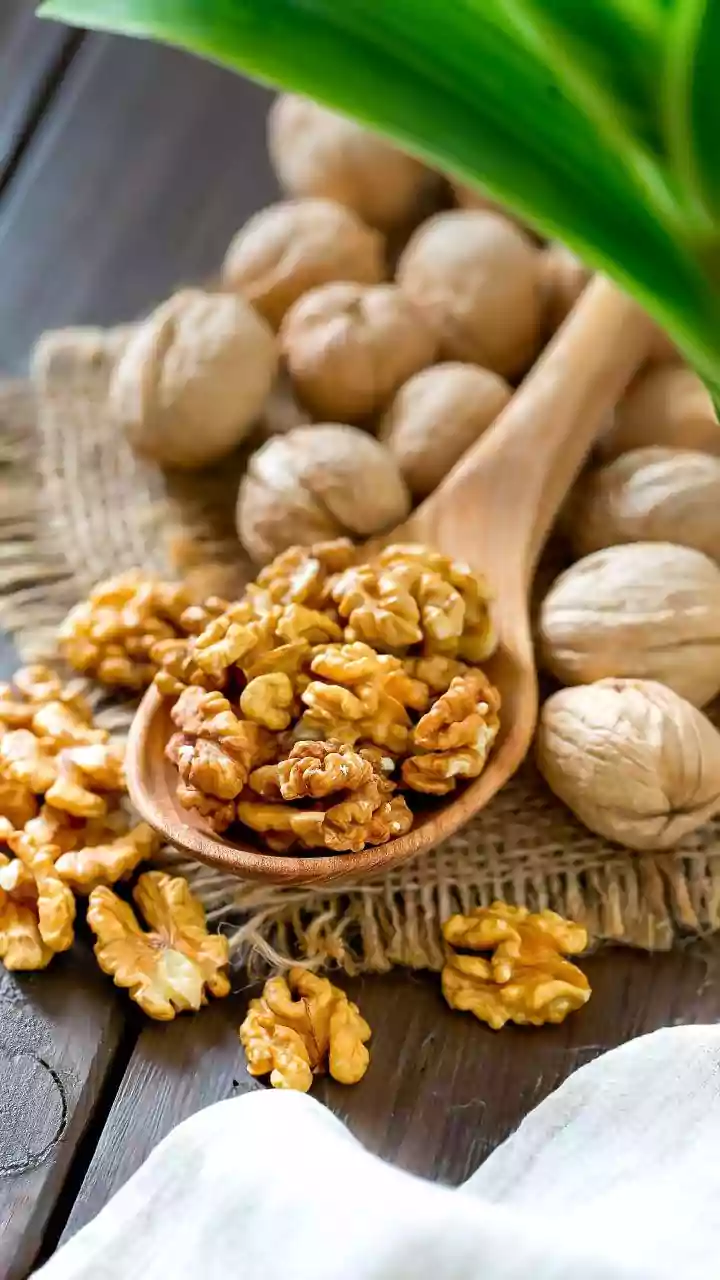
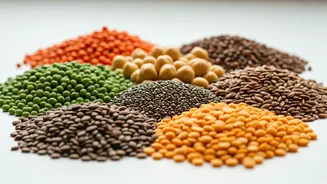
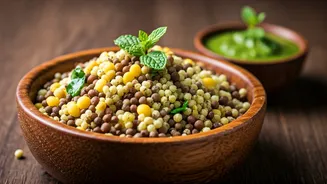
Building a fibre-forward meal prep routine starts with a well-stocked kitchen. Having the right staples on hand makes it easy to assemble nutritious meals all week. Think of these as your building blocks: Whole Grains: Millets like bajra and jowar, brown rice, quinoa, and whole oats are fantastic bases for grain bowls, khichdi, or overnight oats. Legumes and Pulses: Lentils (dal), chickpeas (chana), kidney beans (rajma), and black beans are incredibly versatile. Cook a large batch to add to salads, curries, and wraps. Sturdy Vegetables: Broccoli, carrots, bell peppers, and sweet potatoes hold up well after cooking and can be roasted in big batches to add to any meal. Fruits: Apples, bananas, pears, and guavas are excellent grab-and-go snacks or additions to breakfast bowls. Nuts and Seeds: Almonds, walnuts, chia seeds, and flaxseeds are perfect for sprinkling over yoghurt, salads, or oatmeal for an extra boost of fibre and healthy fats.
Simple Swaps to Boost Your Fibre
You don't need to overhaul your entire diet overnight. Small, consistent changes can make a huge impact on your daily fibre intake. Start with these simple swaps: Instead of white rice, opt for brown rice, quinoa, or millets. Choose whole-wheat or multigrain atta for your rotis instead of refined flour. Swap fruit juice, which has most of its fibre removed, for a piece of whole fruit. Replace creamy, high-fat salad dressings with a hearty scoop of hummus, which is made from fibre-packed chickpeas. When snacking, reach for a handful of roasted chana or nuts instead of fried snacks or biscuits. Remember to increase your fibre intake gradually and drink plenty of water to help your digestive system adjust comfortably.
A Sample Fibre-Packed Prep Plan
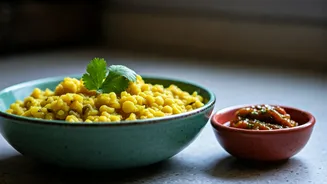
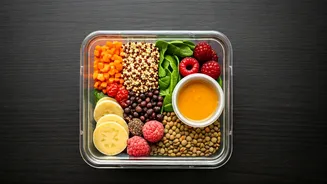
So, what does this look like in practice? Imagine prepping just a few core components on a Sunday: a big batch of quinoa, roasted mixed vegetables (like broccoli, carrots, and bell peppers), and a simple chana masala. With these ready to go, your week could look like this: For breakfast, have a bowl of daliya or oats topped with fresh fruit and a sprinkle of chia seeds. For lunch, assemble a quick quinoa bowl with your roasted veggies and a scoop of the chana masala. For dinner, you can enjoy the chana masala with a side of multigrain roti. For a snack, a handful of almonds or a fresh guava will keep you going. This approach saves time and ensures that every meal is built around wholesome, fibre-rich foods, making healthy eating feel effortless and delicious.