





Opening the Doors to the Cosmos
For many young Indians, the towering rockets and distant satellites of the nation's space programme feel like something out of a science fiction movie. But ISRO is working to change that perception by making its world-class facilities more accessible.
Through organised educational visits and dedicated outreach initiatives, the space agency is turning abstract textbook concepts into tangible reality. Schools and colleges can arrange for group tours to several key ISRO centres, offering students a direct view into the heart of India's space ambitions. These are not casual walk-in visits; they are structured educational experiences that require formal requests from institutions, ensuring that every trip is meaningful. The goal is to demystify space science and engineering, transforming admiration from afar into a concrete passion for a STEM career.
What a Student Visit Looks Like
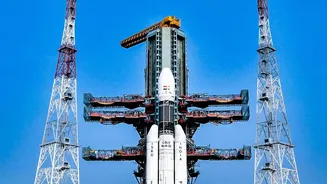
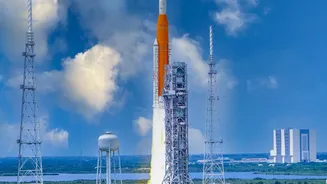
A trip to an ISRO facility is a journey into the nerve centre of Indian innovation. At the Satish Dhawan Space Centre (SDSC) in Sriharikota, for example, students can visit the space museum, see full-scale models of launch vehicles like the PSLV and GSLV, and view the launch pads from designated zones. They get to witness the colossal infrastructure, including the Vehicle Assembly Building where rockets are prepared for their ascent. In Bengaluru, the U R Rao Satellite Centre (URSC) offers a look at various satellite models, from the historic Aryabhata to the modern Chandrayaan series, explaining their applications in communication, navigation, and remote sensing. During these visits, students often get to interact with ISRO scientists and engineers, asking questions and gaining insights that no classroom can provide.
Igniting a Million Dreams
Beyond the hardware and high-tech facilities, the true value of these visits lies in their power to inspire. ISRO has several flagship programmes aimed at 'catching them young'. The Young Scientist Programme, known as YUVIKA (YUva VIgyani KAryakram), is a two-week residential course that immerses selected high school students in space science. Participants engage in hands-on activities, build model rockets, attend lectures by eminent scientists, and visit labs across various ISRO centres. The programme, which gives preference to students from rural areas, is designed to encourage them to pursue careers in science, technology, engineering, and mathematics (STEM). The overwhelming response, with over 100,000 applications for recent sessions, shows the immense appetite among India's youth for this kind of engagement.
Making Space Accessible to All
Recognising that physical visits are not possible for everyone, ISRO has also ventured into the digital realm. In 2022, the agency launched SPARK, a virtual space tech park. This 3D interactive museum allows anyone with an internet connection to explore digital replicas of ISRO's rockets and satellites, watch videos of missions, and learn about the history of India's space journey. The platform includes a museum, a theatre, and even a garden with life-sized rocket models, providing an immersive experience from home. This, along with other initiatives like the 'Space on Wheels' exhibition bus, helps bring the excitement of space exploration to students in remote corners of the country, ensuring the inspirational reach of ISRO's work is as wide as possible.
How to Plan a Visit
For schools and colleges interested in organising a trip, the process begins with a formal application. Institutions must write to the Public Relations Officer of the specific ISRO centre they wish to visit, outlining the purpose of the trip and the number of students. Since individual visits are not permitted, these trips are exclusively for institutional groups. Key centres that welcome student groups include SDSC in Sriharikota, URSC in Bengaluru, and the Vikram Sarabhai Space Centre (VSSC) in Thiruvananthapuram, each offering a unique glimpse into different aspects of the space programme. Some centres also have public museums that are open on specific days, and during launches, a public viewing gallery at Sriharikota allows thousands to witness the event live, though spots fill up fast.