


The Philosophy of Purity
Vrat food is guided by the Sattvic principle, which emphasizes pure, natural, and easily digestible foods that calm the mind and body. During a fast, the digestive system is thought to be less robust, so the focus shifts to ingredients that provide energy
without being heavy. This is why common grains like wheat and rice, as well as onion and garlic (considered 'rajasic' or 'tamasic'), are avoided. Instead, the spotlight turns to a unique pantry of pseudo-cereals, tubers, and specific seasonings that align with this philosophy of purity and lightness.
The Flour Powerhouses: Kuttu, Singhara, and Rajgira
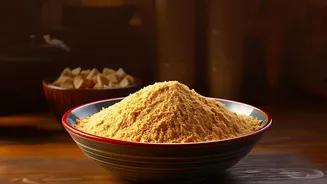
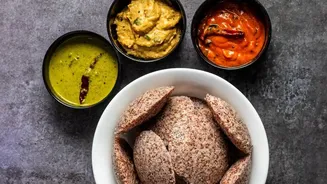
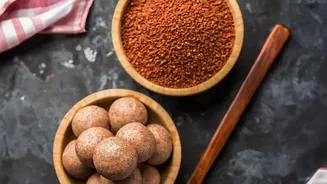
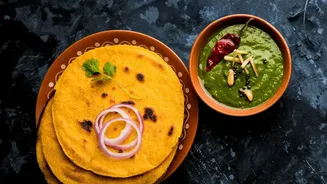
During fasts, wheat flour is replaced by gluten-free alternatives like Kuttu (buckwheat), Singhara (water chestnut), and Rajgira (amaranth). These aren't true grains but are seeds from fruits or plants, which is why they are permitted. Their versatility is astounding; they can be transformed into everything from fluffy puris and parathas to savoury cheelas (pancakes) and decadent halwas. Nutritionally, they are power-packed. Kuttu provides warmth and is rich in protein and magnesium. Singhara is known for its cooling properties and is a good source of potassium and fibre. Rajgira is another energy-dense flour, making these options not just permissible, but deeply nourishing.
The Energy Pearl: Sabudana
Sabudana, or tapioca pearls, is arguably the most iconic Vrat ingredient. As a pure carbohydrate and starch, it's a fantastic source of quick energy, which is crucial for staying active while fasting. Its versatility lies in its texture. When soaked, these small pearls become soft and gelatinous, perfect for making the beloved Sabudana Khichdi. They can also be ground into flour or used whole to create crispy vadas, comforting kheer, and even savoury pancakes. Being gluten-free and light on the stomach makes it a go-to choice for a fasting diet.
The Humble Heroes: Potatoes and Tubers
Potatoes, sweet potatoes, and yams (jimikand) are the workhorses of the Vrat kitchen. Their neutral flavour and starchy texture make them an incredibly versatile base. They can be boiled and mashed to bind kuttu puris or tikkis, cubed for a simple Vrat-wale Aloo sabzi, or fried to make crispy snacks. These tubers provide complex carbohydrates, which release energy slowly and keep you feeling full for longer. Vegetables like pumpkin, bottle gourd, and arbi (colocasia) also play a similar role, adding variety and nutrients to fasting meals.
The Flavour Makers: Sendha Namak and Spices
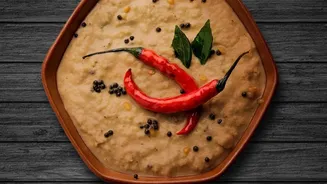
Regular table salt is avoided during fasts, and Sendha Namak (rock salt) takes its place. This salt is considered purer as it is unprocessed, unlike common table salt which may have additives. Ayurveda values it for being gentle on the digestive system and having a cooling effect. Its flavour is milder, which complements the subtle taste of Vrat dishes. Alongside rock salt, a limited palette of spices like cumin, black pepper, green chillies, and ginger are used to add flavour without over-stimulating the system.
The Natural Boosters: Fruits, Nuts, and Dairy
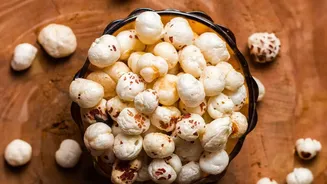
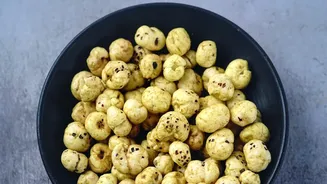
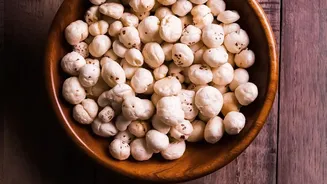
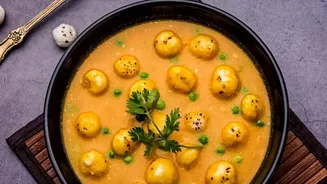
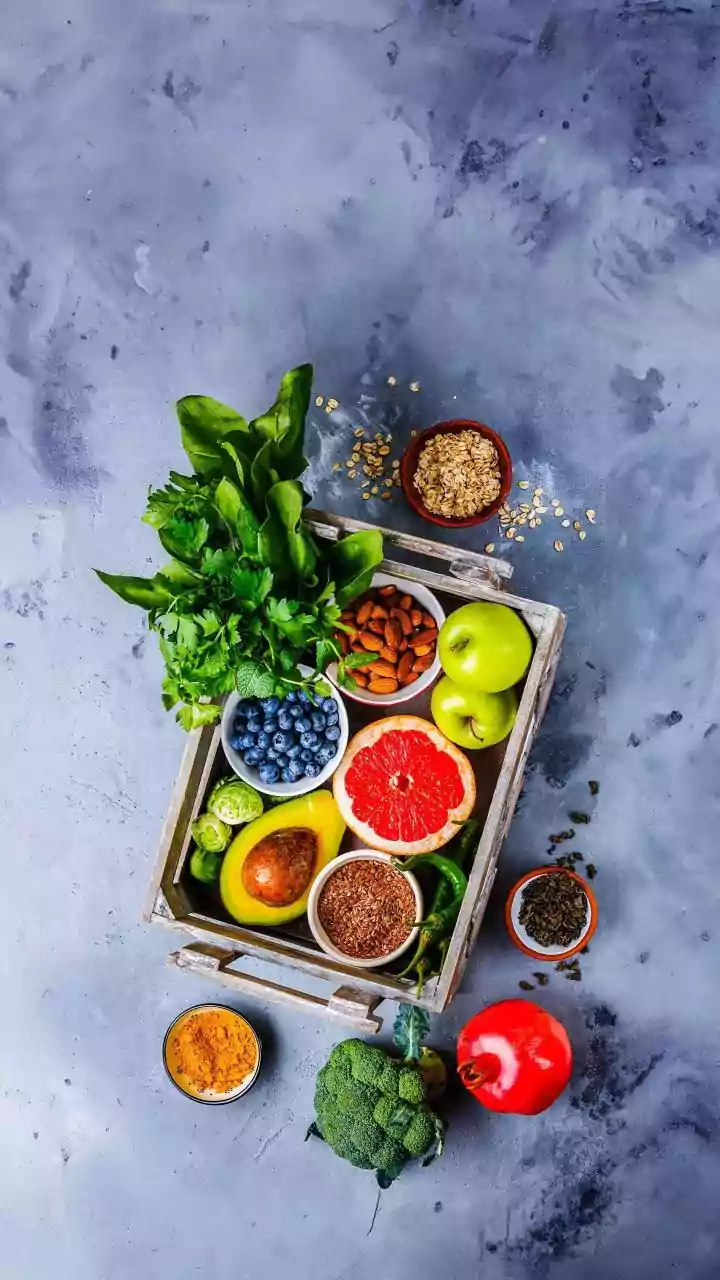
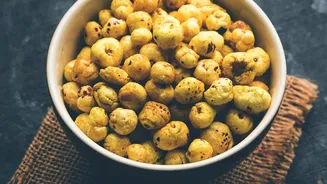
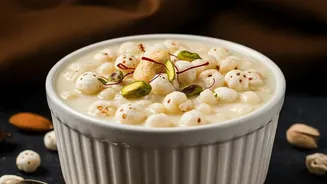
Fruits are a cornerstone of any fast, providing essential vitamins, hydration, and natural sugars for an energy kick. Nuts and seeds like peanuts, almonds, and makhana (fox nuts) are also widely consumed. They offer healthy fats, protein, and a satisfying crunch, whether eaten as a snack or added to dishes. Dairy products like milk, yogurt, and paneer provide much-needed protein and calcium. They form the base of refreshing drinks like lassi and comforting dishes like Dahi Aloo, making the fasting diet balanced and complete.