





As seasons change, the familiar story of coughs and colds begins. For generations, we've blamed the cold air, but science tells a different story. It’s not the temperature drop itself, but where we spend our time that truly matters.
Debunking the Cold Air Myth
It’s a belief passed
down through generations: 'Don't go out in the cold, you'll catch a sickness!'. While well-intentioned, this advice is misleading. Viruses, not cold air, are the direct cause of illnesses like the common cold and flu. You cannot get sick from exposure to low temperatures alone. However, cold weather does play an indirect role by influencing our behaviour and creating conditions that help viruses thrive. The real story begins when we close our doors and windows to escape the chill, fundamentally changing the environment we live and breathe in.
The Indoors: A Perfect Hub for Germs
When the weather cools, people naturally spend more time inside at home, in offices, schools, and public places. This increased time indoors leads to closer contact and crowding, creating a perfect opportunity for respiratory viruses to spread from person to person. Think of it as a numbers game: the more people sharing the same air in an enclosed space, the higher the concentration of airborne viral particles if someone is sick. Even small gatherings in private homes can significantly increase transmission rates. These indoor environments become the main stage for seasonal illnesses to play out.
How Viruses Exploit Indoor Air
The air inside our heated homes and offices creates a surprisingly hospitable environment for viruses. Cold air is typically dry, and indoor heating systems reduce air moisture even further. Many viruses, including influenza, survive longer and travel farther in this low-humidity air. When an infected person coughs or sneezes, the virus-laden droplets they release lose moisture quickly in dry air, becoming smaller and lighter. These tiny aerosolized particles can remain suspended in the air for much longer, increasing the chances of being inhaled by others. Poor ventilation traps this contaminated air, allowing viral concentrations to build up over time. Studies show that good ventilation is a key factor in reducing the risk of airborne transmission.
Does the Cold Weaken Our Defences?
While cold air doesn’t directly make you sick, it can lower your body’s defences. Research suggests that inhaling cold air can reduce the immune response in our nasal passages. The cells in the nose become less effective at fighting off viruses when temperatures drop. Furthermore, dry air can damage the protective mucous lining in our nose and throat, which normally acts as a barrier to trap germs. Another factor is the reduced exposure to sunlight during shorter winter days, which can lead to lower Vitamin D levels. This nutrient is important for maintaining a strong immune system, and a deficiency can make you more vulnerable to infections.
Practical Steps for a Healthier Season
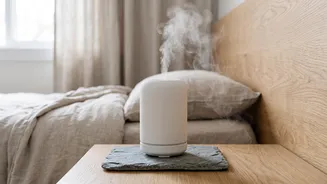
Understanding the science behind seasonal sickness empowers us to take effective preventive measures. Focus on improving your indoor environment. One of the simplest and most effective actions is to improve ventilation by opening windows and doors for a few minutes each day to let fresh air circulate. Maintaining indoor humidity between 40% and 60% can also help, as it causes viral droplets to fall out of the air more quickly and keeps our nasal passages moist. Using a clean humidifier can achieve this. Of course, classic hygiene practices remain crucial: wash your hands frequently, avoid touching your face, and stay home when you are feeling unwell to prevent spreading germs to others in shared indoor spaces.