



Gear Up: Your Commuting Armour
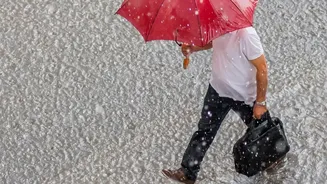
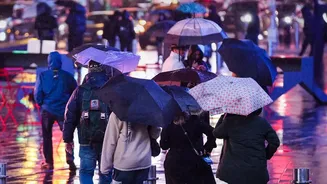
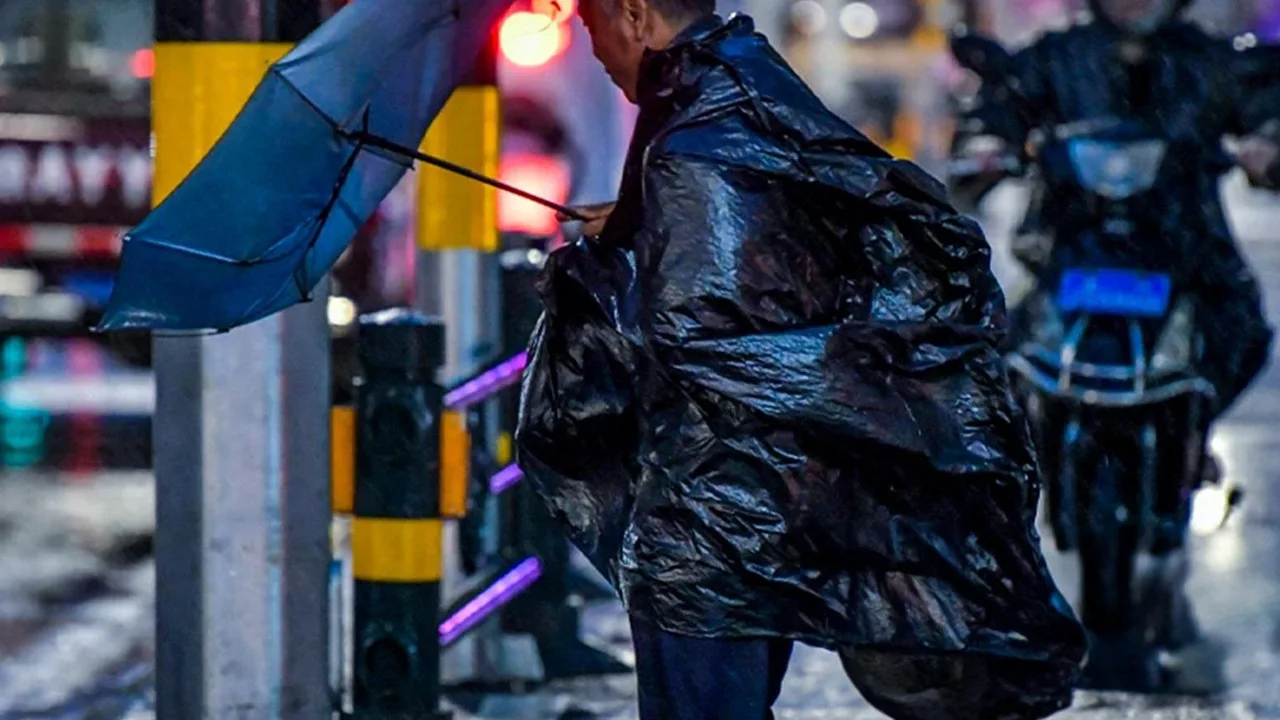
An umbrella is a good start, but it's merely the first line of defence. True monsoon warriors know that staying dry and functional requires a multi-layered approach. Start with your bag. A waterproof backpack or a reliable rain cover is non-negotiable
to protect your laptop, phone, and other electronics. For an extra layer of security, use zip-lock or dry bags for smaller gadgets and important documents. Next, rethink your clothing. Lightweight, synthetic fabrics that dry quickly are your best friends. Avoid heavy cottons and denims that retain water and can leave you damp and uncomfortable all day. If you get caught in a downpour, having a spare set of dry clothes at the office can be a lifesaver.
The Right Foot Forward
Footwear deserves its own category because it's arguably the most critical part of your monsoon attire. Leather shoes are a definite no, as water will ruin them. The ideal monsoon shoe has two key features: it should be waterproof or water-resistant and have a rubber sole with excellent grip to prevent slipping on slick surfaces. Options range from stylish waterproof sneakers and rubber slip-ons to classic gumboots. Whatever you choose, prioritize safety and comfort. Walking through unavoidable puddles exposes your feet to bacteria, so avoiding shoes that retain water can help prevent fungal infections. Many commuters opt to wear sturdy, waterproof floaters or sandals for the journey and change into formal shoes at their destination.
Mastering Your Route and Timing
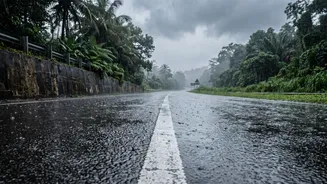
During the monsoon, your usual route can become impassable in minutes. Waterlogging turns key roads and underpasses into no-go zones, causing gridlock that can stretch for hours. Before you leave, check real-time traffic updates on apps like Google Maps and follow social media updates from local traffic police, who often post information about flooded areas. If possible, leaving earlier than usual can help you beat the worst of the traffic and rain. This is also a good time to evaluate your mode of transport. While a personal vehicle offers shelter, it’s also susceptible to breakdowns and getting stuck in floods. Public transport might be crowded, but it often navigates major arteries more reliably.
Health and Hygiene on the Move
The monsoon brings a spike in health risks that go beyond the common cold. The damp, humid environment is a breeding ground for germs and fungi. One of the most important habits to adopt is frequent hand washing or using a hand sanitizer, especially before eating. If your clothes or feet get wet, change and dry off as soon as possible to prevent fungal skin infections and other issues. It’s also wise to be cautious about street food, as the risk of waterborne diseases like typhoid and stomach infections increases. Carrying a water bottle from home and eating freshly prepared food are simple but effective measures to stay healthy.
The Mental Game of Monsoon Travel
Finally, surviving the monsoon commute is as much about mindset as it is about preparation. The constant delays, humidity, and general chaos can be mentally draining. Acknowledging this and planning for it can make a huge difference. Build buffer time into your schedule to reduce the stress of running late. Keep a power bank charged to ensure your phone doesn't die during a long delay, leaving you disconnected. Instead of getting frustrated by a traffic jam, use the time to listen to a podcast or audiobook. Approaching the journey with patience and flexibility transforms it from a daily battle into a manageable, if occasionally challenging, part of the season.