



What the Analysis Suggests
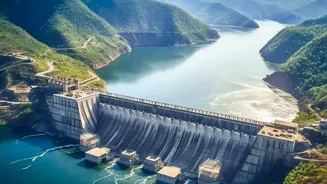
A recent New York Times investigation, amplified by Israeli news outlets, highlighted a geographical correlation between Iran's dams and missile facilities that were reportedly struck in attacks this year. Analysts have mapped at least 533 dams across
Iran and noted that their locations appear to align with a pattern of reported US-Israeli airstrikes on suspected missile sites. The hypothesis, which experts stress is still speculative, suggests that some of Iran's extensive water projects may have been developed to serve a dual purpose: providing a steady supply of power and water to fortified underground military complexes, often referred to as 'missile cities'. This would grant these critical military assets operational independence from the national grid. Iran has officially denied these claims, with its Foreign Ministry calling them 'baseless propaganda' intended to create a pretext for attacking the nation's vital infrastructure.
The Strategic Logic of Proximity
From a military perspective, placing high-value assets near or under civilian structures can serve two main purposes. First, it offers logistical support. Large underground bases require significant, reliable power and water to function, resources that a major hydroelectric dam can provide. Second, it presents a complex dilemma for any attacking force, a tactic often described as using 'human shields'. International humanitarian law prohibits using the presence of civilians to make military sites immune from attack. However, the presence of critical civilian infrastructure—like a dam whose destruction could cause catastrophic downstream flooding—forces an adversary to weigh the military advantage of a strike against the potential for immense civilian harm. This is a core principle of modern warfare known as proportionality.
Why Dams Are Critical Infrastructure
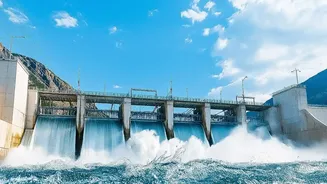
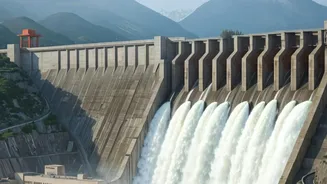
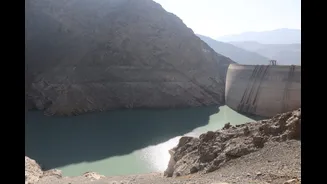
Dams in Iran, like the Karun-3, are not merely symbolic. They are essential to the country's survival and economy. The Karun-3 dam, for instance, is a major hydroelectric facility on the Karun river that helps meet Iran's significant energy demands, particularly during peak summer months, and provides crucial flood control. It has one of the largest generator capacities in the country. The placement of military assets nearby transforms these vital civilian resources into potential conflict zones. An attack on a dam, or even a near miss, could have devastating consequences for agriculture, water supply, and the safety of populations living downstream. This blurs the line between a legitimate military objective and a protected civilian object, a distinction that international law strives to maintain.
A Complicated Geopolitical Picture
This strategy fits into Iran's broader military doctrine, which relies on asymmetric warfare to compensate for its conventional military disadvantages against powers like the United States and Israel. Lacking a superior air force, Iran has invested heavily in ballistic missiles, drones, and underground facilities to create a deterrent. Using civilian infrastructure as a shield or support system is part of this 'gray zone' approach, designed to make military calculations more difficult for its adversaries. While this may provide a tactical advantage, it also elevates the risk of miscalculation and escalates the potential for catastrophic collateral damage in any future conflict. It also raises the stakes for regional stability, as neighbors must now factor this dual-use infrastructure into their own defense planning.