


What Exactly Is High-Fructose Corn Syrup?
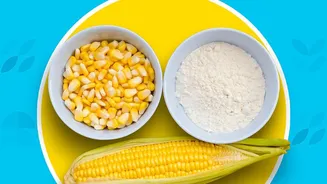
High-Fructose Corn Syrup, or HFCS, is a liquid sweetener made from corn starch. First, the starch is broken down into glucose, creating corn syrup. Then, enzymes are used to convert some of that glucose into fructose, which is a sugar found naturally
in fruit. The resulting sweetener is a mixture of fructose and glucose. The most common forms are HFCS 42 (containing 42% fructose) and HFCS 55 (containing 55% fructose), which are widely used in soft drinks, baked goods, cereals, and sauces because the syrup is inexpensive and keeps products fresh for longer.
The Starch and HFCS Connection
The headline's idea of HFCS being 'hidden' under a starch label points to a common area of confusion. While HFCS is derived from corn starch, it is a chemically distinct ingredient. In India, FSSAI regulations require ingredients to be listed accurately. You will not find HFCS listed simply as 'starch' or 'modified food starch'. Instead, the challenge lies in recognising the various names for HFCS and other similar syrups. Manufacturers sometimes use less-familiar terms like 'glucose-fructose syrup' or 'isoglucose', which are functionally very similar to HFCS. The real issue is not hiding, but rather a confusing list of technical names that can be hard for shoppers to track.
Official Names To Look For
When scanning an ingredient list, your primary targets are the official names. According to Indian food labelling laws and international standards, look for these terms: 'High-Fructose Corn Syrup', 'Glucose-Fructose Syrup', and 'Isoglucose'. In India, you might also see more general terms like 'Liquid Glucose' or 'Invert Sugar' used, which can refer to corn-derived syrups that are high in fructose. If you see any of these, especially in the first few ingredients, it is a sign that the product is high in this type of added sugar.
A Wide World of Added Sugars
HFCS is just one of many added sugars. Food companies often use several different types of sugar in a single product. This strategy, known as 'sugar splitting', means that each individual sugar appears lower on the ingredient list, which is sorted by weight. This can make a product seem healthier than it is. Besides HFCS, be aware of other names for added sugar, including dextrose, maltose, sucrose, corn syrup, fruit juice concentrate, brown rice syrup, and even seemingly 'natural' options like jaggery, honey, and agave syrup. All contribute to the 'added sugars' tally on the nutrition panel.
Your Smart Label-Reading Strategy
Becoming a savvy shopper is about developing a system. First, ignore the claims on the front of the package like 'natural' or 'healthy'. The real information is on the back. Scan the first three to five ingredients; if a type of sugar is listed there, it is a major component of the product. Next, look at the 'Nutritional Information' panel. FSSAI now requires a declaration for 'added sugars'. This number is your most powerful tool, as it groups all added sweeteners together. As a general guide, anything with over 15g of sugar per 100g is considered a high-sugar product. Finally, count the number of different names for sugar on the list. If you see more than two, it is a red flag for 'sugar splitting'.