




A Journey from 'Timeless' to Timed
The five-day standard wasn't arbitrarily chosen; it evolved over time. Early Test matches were often 'timeless', meaning they were played until one team achieved victory, with no pre-set end date. This led to some marathon encounters. The most famous
was a 1939 match between South Africa and England, which was abandoned as a draw after nine days of play because the English team had to catch their boat home. These logistical nightmares, along with the difficulty of scheduling, led administrators to seek a more practical solution. Eventually, a five-day structure was adopted after World War II, striking a balance between allowing enough time for a result and fitting into a feasible calendar.
The Anatomy of the Five Days
Each day of a Test match is a mini-drama divided into three sessions: morning, afternoon, and evening. These two-hour blocks of play are separated by a 40-minute lunch break and a 20-minute tea break. The goal is to bowl approximately 90 overs per day, though this can be affected by weather or the pace of play. This structure is more than just a schedule; it creates a unique rhythm. Teams strategize around these breaks, aiming to take wickets or score runs just before a session ends to gain a psychological edge. The gradual progression over 30 hours of potential play allows for ebbs and flows that are simply not possible in shorter formats.
The Ultimate Test of Skill and Character
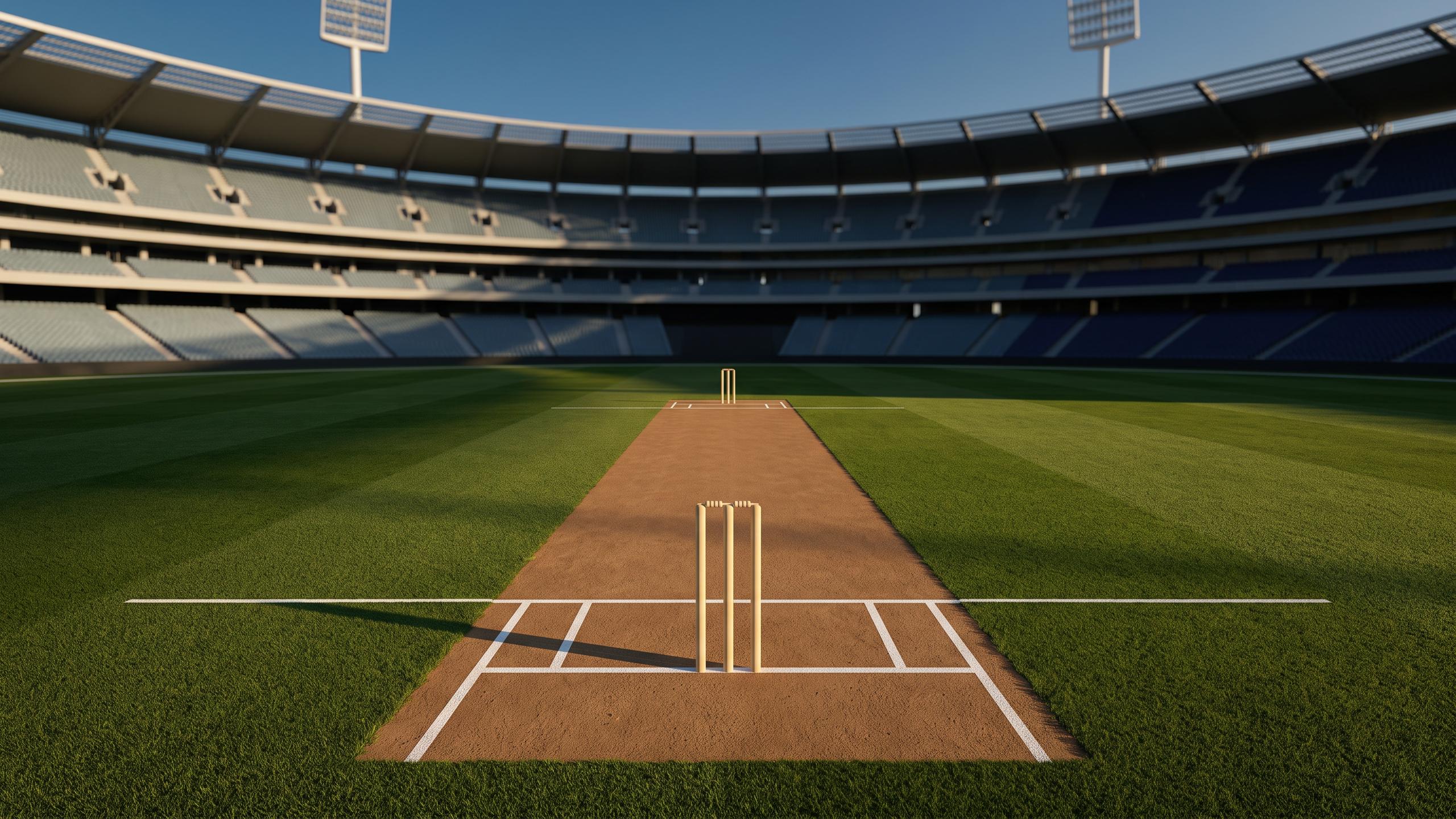
The format's name is fitting because five days are needed to truly 'test' every facet of a cricketer's ability. It’s a trial of physical endurance, mental resilience, technical skill, and strategic patience. Bowlers must toil for long periods, batsmen must concentrate for hours, and captains must constantly adjust tactics. Unlike in limited-overs cricket, conditions change dramatically. The pitch deteriorates over five days, starting as a good batting surface and often becoming cracked and unpredictable, offering more assistance to spinners and making batting progressively harder. This evolution of the playing surface is a key element that only a multi-day game can provide.
The Strategic Importance of the Draw
A concept often baffling to newcomers is that a Test match can end in a draw even after five full days of play. A draw is not the same as a tie, which occurs when scores are level after both teams have completed their innings. A draw happens when the time runs out before a definitive result is achieved. This creates a unique strategic element. A team that is outplayed and facing certain defeat can still salvage a draw by batting defensively and simply not losing all their wickets by the end of the final day. This ability to fight for a 'save' often produces some of the most tense and heroic moments in the sport, turning a potential loss into a hard-fought stalemate.
Pinnacle of the Sport in a Modern World
In the age of fast-paced T20 leagues, some have questioned the relevance of the five-day format, with discussions even arising about reducing Tests to four days. However, players and purists consistently argue that Test cricket remains the pinnacle of the sport. It is the arena where legacies are built and skills are most thoroughly examined. The format allows for grand narratives to unfold—dramatic comebacks, attritional battles, and individual heroics that are etched into the game's history. The five-day duration is not an inefficiency; it is the canvas required to paint a cricketing masterpiece.