





Fueling Your Journey Without Stalling
Fuel is often the single biggest expense on a road trip, and managing it effectively prevents both financial stress and the nightmare of running out of fuel in a remote area. Start by calculating your estimated fuel cost. You can use the simple formula:
(Total Distance / Vehicle’s Mileage) × Fuel Price per Litre. For example, a 1,000 km trip in a car with a mileage of 15 km/l, with petrol at ₹105/litre, would cost ₹7,000. It's wise to add a 15-20% buffer for A/C usage, traffic, and hilly terrain, which can reduce mileage. Online toll and fuel calculators can also provide a detailed trip budget. Before you leave, map out reliable fuel stations along your route, especially on less-travelled highways where pumps can be sparse. Paying for fuel has become simpler with the widespread adoption of UPI. Most petrol pumps, even in smaller towns, accept QR code payments through apps like Google Pay or PhonePe, which is faster and more secure than cash or cards. Always ensure the attendant has zeroed the meter before they start filling your tank to avoid being short-changed.
Cruising Through Tolls Seamlessly with FASTag
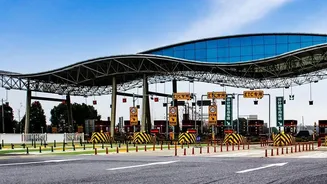
Gone are the days of long cash queues at toll plazas. FASTag, an electronic toll collection system using RFID technology, is now mandatory for all four-wheelers on national highways. A sticker affixed to your windscreen is linked to a prepaid account, and the toll amount is automatically deducted as you drive through the dedicated FASTag lane. This saves time, fuel, and the hassle of carrying exact change. Vehicles without a valid FASTag are required to pay double the toll fee in cash. Getting and managing a FASTag is straightforward. You can purchase one from authorised banks, point-of-sale counters at toll plazas, or online. Recharging your FASTag account is even easier and can be done instantly through any UPI app, your bank's mobile app, or digital wallets like Paytm. Before your trip, check your FASTag balance and ensure it's sufficiently loaded. You can check the balance via SMS alerts, the MyFASTag app, or your bank's portal. Several online calculators can help you estimate the total toll cost for your specific route, ensuring no surprises.
Prioritising Rest: The Driver Is the Most Important Part
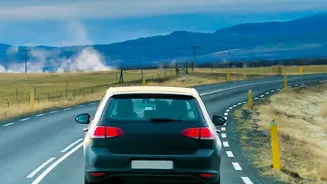
A successful road trip is a safe one, and nothing compromises safety more than driver fatigue. Driving on Indian highways can be mentally demanding due to traffic density and unpredictable conditions. It's crucial to plan for adequate rest. The golden rule is to take a short break every two hours. Stop the car, get out, stretch your legs, and wash your face. These short breaks help maintain alertness and combat the hypnotic effect of long, straight roads. Pushing on for just a few more kilometres when you feel drowsy is a dangerous gamble that dramatically slows reaction times. For multi-day trips, plan your overnight stops in advance. Pre-booking a hotel ensures you have a confirmed, safe place to rest rather than searching for accommodation when you're already exhausted. Avoid driving at night if possible, as visibility is poor and hazards like unlit vehicles or animals on the road are more common. Roadside dhabas and food courts near toll plazas are great options for longer breaks where you can have a meal and refresh. If you're travelling with another licensed driver, share the driving responsibilities to keep everyone fresh.
Your Pre-Trip Logistics Checklist
Before you hit the road, a final check on these logistical points will ensure a smoother journey. First, service your vehicle. Check the engine oil, tyre pressure (including the spare), brakes, and coolant levels. Pack a basic emergency kit with a flashlight, first-aid supplies, and jumper cables. Second, organise your documents. Keep your driver's license, vehicle registration (RC), insurance papers, and Pollution Under Control (PUC) certificate in an easily accessible place. Third, confirm your digital payment methods. Ensure your UPI apps and FASTag wallet are funded and working correctly. Finally, download offline maps of your route. While mobile networks are improving, there are still patches on highways with poor connectivity where an offline map can be a lifesaver. Planning these details allows you to focus on the joy of the journey itself.