







Start with the Right Plants
Success begins with selection. While it's tempting to try growing exotic vegetables, your best bet is to start with plants that thrive in your local climate. For most Indian homes, this means hardy herbs and vegetables that form the backbone of our cuisine.
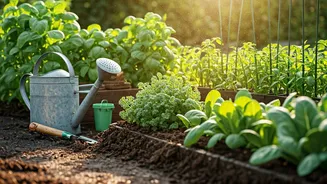
Think coriander (dhania), mint (pudina), curry leaves, chillies, tomatoes, brinjal, and spinach (palak). These are relatively low-maintenance and high-reward. Check with a local nursery for seasonal varieties. For example, leafy greens do wonderfully in the cooler winter months, while gourds and okra flourish in the summer heat. Choosing climate-appropriate plants means less struggle, fewer pests, and a more bountiful harvest.
Master Your Space, Big or Small
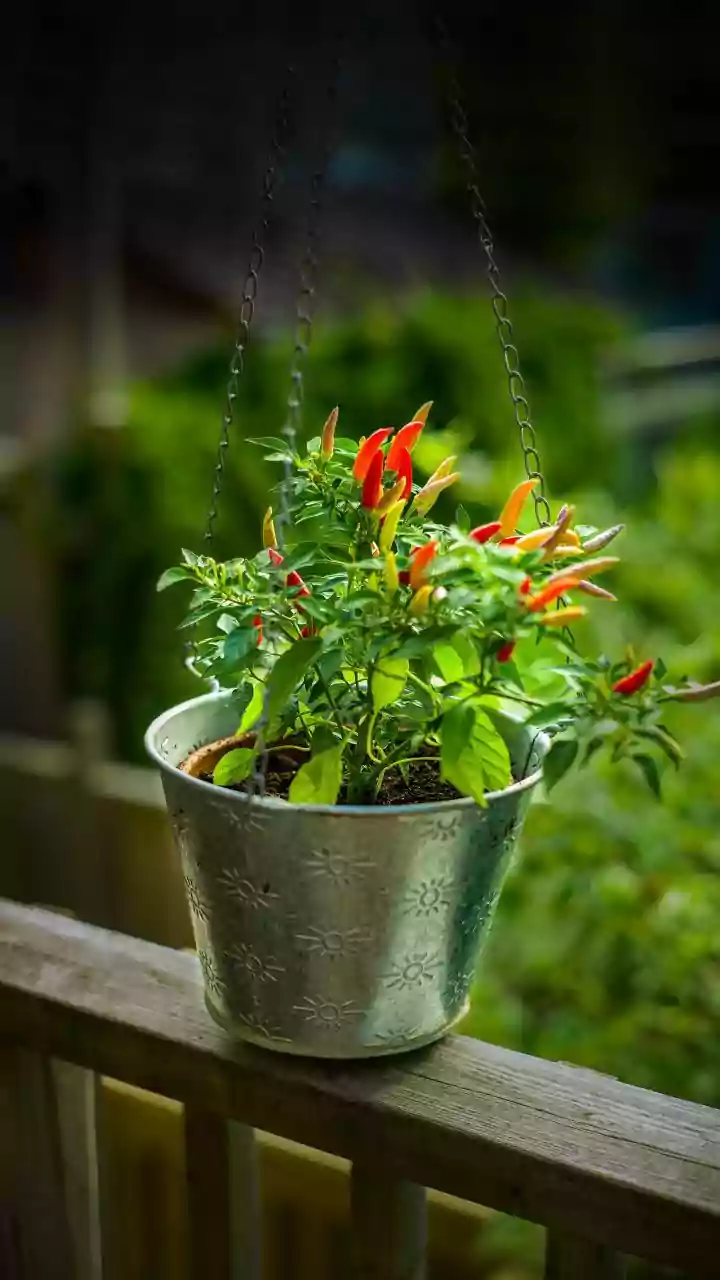
You don't need a large backyard to grow your own food. Most Indian city dwellers are masters of optimising small spaces, and gardening is no exception. Balconies, terraces, and even sunny windowsills can become productive green corners. Container gardening is your best friend. Use pots, grow bags, or even repurposed paint buckets (with drainage holes). For vining plants like tomatoes or beans, consider simple trellises against a wall to encourage vertical growth. Grouping plants with similar sunlight and water needs together also makes maintenance easier. A well-placed collection of pots can be both beautiful and edible, transforming a drab balcony into a lush, green oasis.
Water Wisely, Not Wastefully
Water is a precious resource, and smart gardening is water-wise gardening. The golden rule is to water the soil, not the leaves, to prevent fungal diseases. The best time to water is early in the morning or late in the evening, as this minimises evaporation during the hottest part of the day. Instead of a heavy drenching every day, check the soil. If the top inch is dry, it's time to water. For a more efficient, low-effort system, consider setting up a simple drip irrigation system using affordable kits available online. Another brilliant trick is mulching: covering the topsoil with a layer of dried leaves, straw, or wood chips. This retains moisture, keeps the soil cool, and suppresses weeds.
Create 'Black Gold' from Kitchen Scraps
Healthy plants start with healthy soil. Instead of buying bags of chemical fertilisers, you can create nutrient-rich compost right at home. This is the ultimate 'smarter' gardening hack, turning waste into wealth. Your daily kitchen scraps—vegetable peels, fruit cores, tea leaves, coffee grounds, and eggshells—are perfect ingredients for a compost bin. You can use a dedicated composter or a simple terracotta pot (like a khamba). Layer your 'green' waste (kitchen scraps) with 'brown' waste (dried leaves, cardboard, coco-peat). Keep it moist but not soggy, and turn it occasionally. In a few months, you'll have dark, crumbly compost, or 'black gold,' that will make your plants thrive.
Become a Natural Pest Manager
Pests are a part of gardening, but reaching for chemical sprays shouldn't be the first resort, especially for food you're going to eat. Adopt an Integrated Pest Management (IPM) approach. Start with prevention: healthy, well-fed plants are less susceptible to attack. Encourage beneficial insects by planting flowers like marigolds, which are known to repel certain pests. For common issues like aphids and mealybugs, a simple spray of diluted neem oil or soap water is often effective. Regularly inspect your plants for early signs of trouble. Often, a small infestation can be managed by simply removing the affected leaves or washing the pests off with a jet of water.