




1. The Mighty Millet Revival
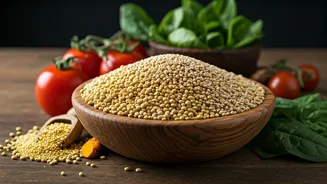
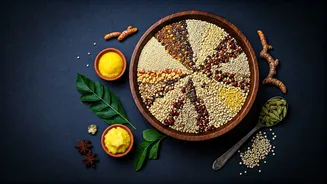
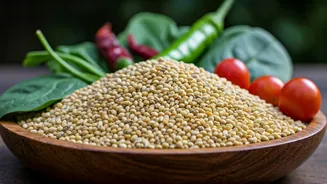
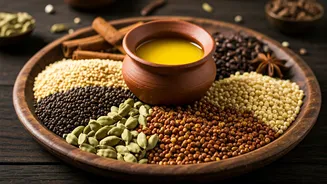
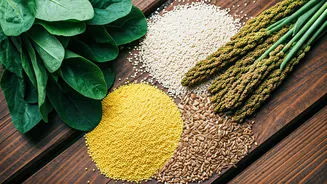
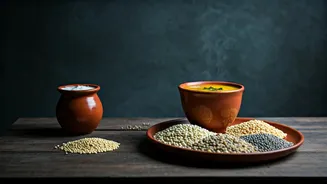
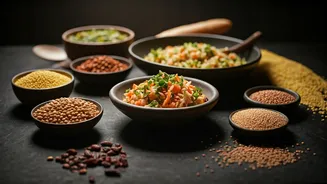
Once considered humble farmer's food, millets are now celebrated by nutritionists and chefs alike. Grains like ragi (finger millet), jowar (sorghum), and bajra (pearl millet) are making a huge comeback. Why? They are incredibly resilient crops that require
less water, making them cheaper to produce and buy than refined wheat or rice. Nutritionally, they are powerhouses, packed with fibre, protein, vitamins, and minerals. Their low glycaemic index helps manage blood sugar levels, making them an excellent choice for sustained energy. Incorporating millets is easy: swap your regular atta with millet flour for rotis, make millet porridge for breakfast, or use them as a substitute for rice in dishes like khichdi and pulao.
2. Celebrating Hyper-Local Greens
Move over, kale and arugula. The real nutritional heroes are often growing right in our backyards. A growing trend is the appreciation for hyper-local, seasonal greens that are often ignored. Think amaranth leaves (chaulai), moringa leaves (drumstick leaves), purslane (kulfa), and colocasia leaves (arbi ke patte). These greens are bursting with iron, calcium, and vitamins at a fraction of the cost of their exotic counterparts. They are readily available at local vegetable markets and are perfectly suited to Indian cooking styles. Sauté them with garlic and spices for a simple side dish, add them to dals for a nutrient boost, or blend them into chutneys and smoothies.
3. Plant-Powered, Pocket-Friendly Proteins
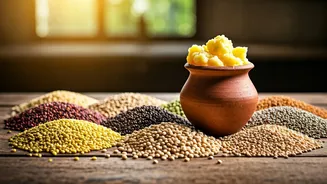
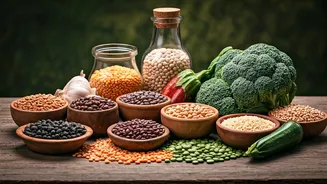
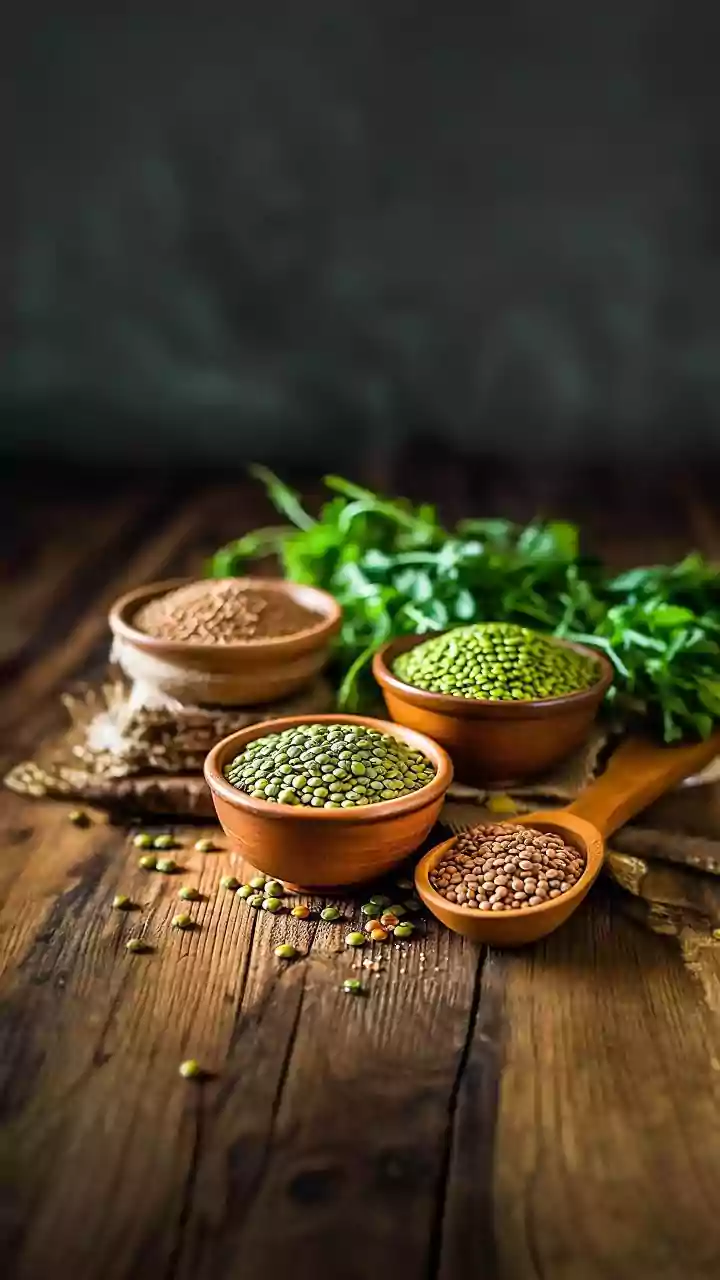
While plant-based diets are a global trend, India has centuries of expertise in vegetarian protein. The renewed focus is on leveraging the full potential of our vast array of lentils, legumes, and beans. Dals, chickpeas, rajma, and lobia are not just staples; they are affordable, high-quality sources of protein and fibre that keep you full and support muscle health. The trend extends to sprouting, which multiplies the nutritional value of legumes and makes them easier to digest. A bowl of dal provides as much protein as some meat dishes but is significantly cheaper and more environmentally friendly. Embracing a couple of meat-free days a week, powered by our traditional pulses, is a simple way to cut costs and improve health.
4. 'Root-to-Stem' Cooking
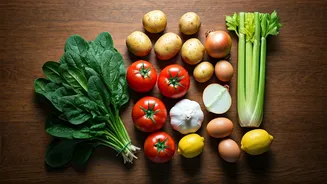
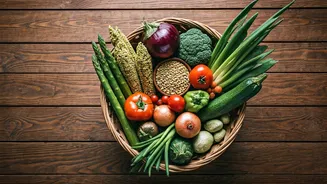
Food waste is a major drain on both the environment and your wallet. The 'root-to-stem' or 'nose-to-tail' approach to vegetables is a trend that tackles this head-on. It’s about using every part of the plant, from the leaves of a cauliflower to the peels of a pumpkin. These often-discarded parts are surprisingly nutritious. For instance, cauliflower leaves are rich in iron and calcium, while pumpkin peels contain beta-carotene. You can use vegetable peels and stems to make a flavourful vegetable stock, turn broccoli stems into a crunchy stir-fry, or roast potato peels into a crispy, healthy snack. This trend isn't just about saving money; it’s about respecting our food and maximising the nutrients we get from it.
5. DIY Fermented Foods for Gut Health
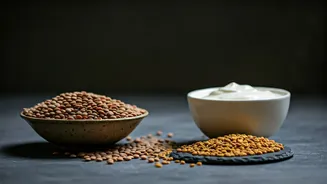
Good health starts in the gut, and probiotic-rich fermented foods are essential for maintaining a healthy microbiome. While expensive kombuchas and kimchi are popular, India has its own rich tradition of affordable, home-made fermented foods. Setting your own dahi (yoghurt) at home is a simple, cost-effective way to get a daily dose of probiotics. The same goes for traditional pickles (achar) made with salt and sunlight, not oil and preservatives, and fermented batters for idli and dosa. Even kanji, a seasonal drink made from fermented black carrots, is a brilliant gut-booster. Making these at home gives you control over the ingredients and costs next to nothing compared to store-bought probiotic supplements.