



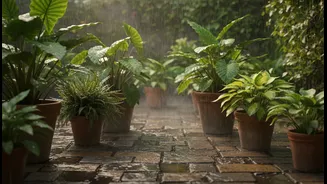


Understanding the Monsoon Menace
Root rot is a disease that occurs when a plant's roots are deprived of oxygen due to waterlogged soil. While overwatering is a primary cause, the Indian monsoon creates the perfect storm of conditions for this problem to flourish. High humidity, reduced
sunlight, and continuous rain mean that soil in pots stays wet for extended periods. This environment allows harmful fungi and bacteria, which are naturally present in the soil, to multiply rapidly and attack the vulnerable, suffocated roots. The roots begin to decay, losing their ability to absorb water and essential nutrients, which is when you start seeing signs of distress above ground.
Spotting the Early Warning Signs
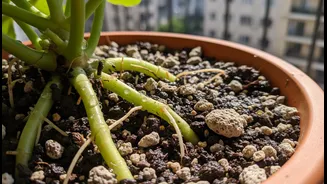
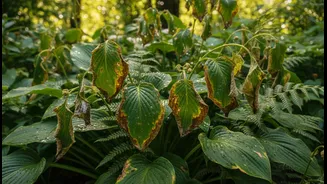
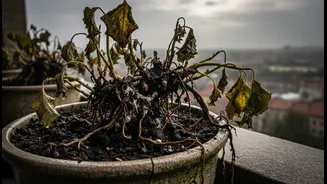
Catching root rot early is crucial for saving your plant. Often, the first symptoms mimic those of an under-watered plant, which can be confusing. Be vigilant for yellowing leaves, especially the lower ones. Another key indicator is a plant that looks wilted or droopy even though the soil is moist to the touch. This happens because the rotting roots can no longer deliver water to the rest of the plant. You might also notice that your plant's growth has slowed down or stopped completely. These subtle changes are your plant's cry for help before the damage becomes severe.
Confirming Your Suspicions
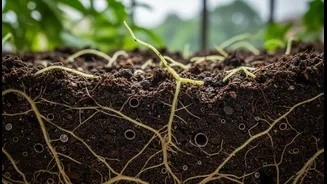
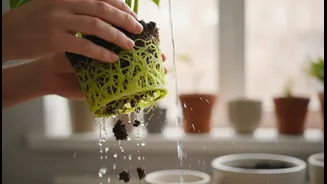
If you see the warning signs, it's time for a gentle inspection. The most definitive way to diagnose root rot is by examining the roots themselves. Carefully slide the plant out of its pot. Healthy roots should be firm and typically white or light tan in colour. In contrast, roots affected by rot will be brown or black, feel soft and mushy, and may even fall apart when you touch them. You might also detect an unpleasant, sour or swampy smell coming from the soil, which is a clear sign of decay.
A Prevention Playbook for Healthy Roots
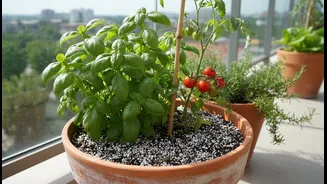
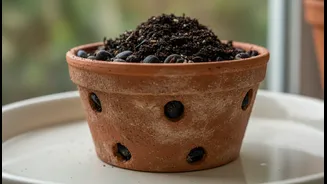
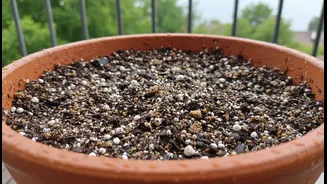
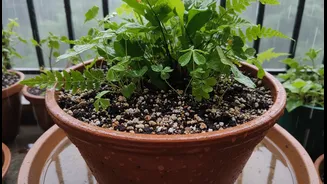
The best way to fight root rot is to prevent it from starting. First, ensure every pot has adequate drainage holes. Elevating pots on bricks or stands can also help water escape and improve air circulation. Second, use the right soil. Avoid heavy garden soil, which compacts easily. Instead, opt for a light, well-draining potting mix containing ingredients like coco peat, compost, and perlite. Third, adjust your watering schedule. During the monsoon, plants need less water. Always check the top inch or two of soil with your finger; if it's still damp, wait before watering again. Finally, ensure good airflow between your plants to help foliage and soil dry out faster.
Emergency Rescue for an Ailing Plant
If you've confirmed root rot, you must act fast. Gently remove the plant from its pot and wash away all the old soil from the roots. Using a pair of clean, sterilized scissors, carefully trim away all the dark, mushy, and smelly roots. Be thorough and cut back to healthy, white tissue. If you have to remove a significant portion of the roots, it's a good idea to prune back about one-third of the plant's leaves as well. This reduces the stress on the remaining roots, as there is less foliage to support. After trimming, you can treat the remaining roots with a fungicide or a diluted hydrogen peroxide solution. Finally, repot the plant in a clean pot with fresh, well-draining potting mix. Water it lightly and place it in a spot with bright, indirect light to recover.