



A Homecoming Over a Century in the Making
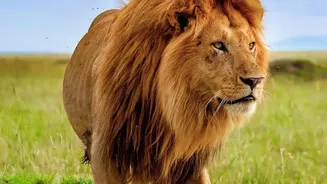
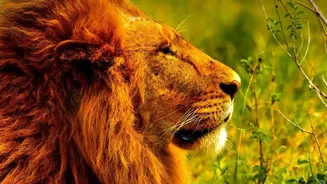
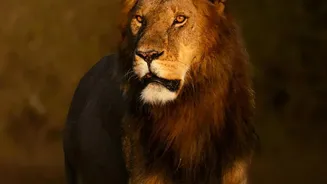
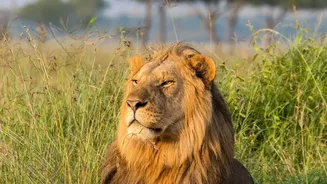
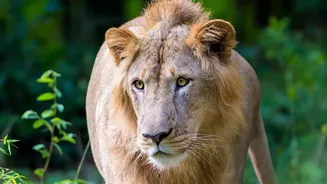
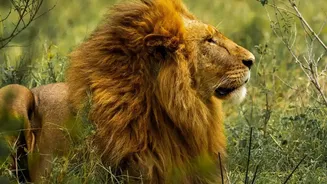
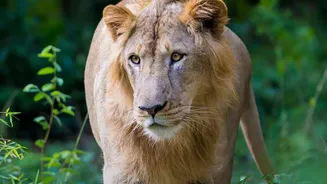
In a development that has thrilled conservationists, a small but growing population of Asiatic lions has established itself in the Barda Wildlife Sanctuary. As of late 2026, the sanctuary is home to 17 lions. The last official record of a lion in this
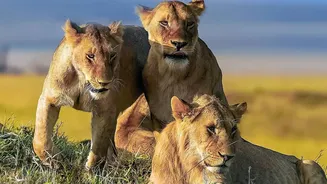
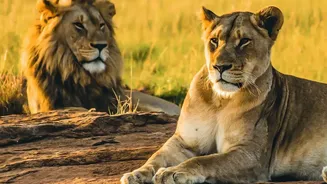
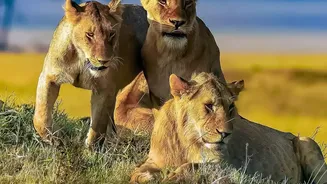
rugged, hilly landscape was in 1879, making their return a historic event. The process began with a natural, unassisted migration in January 2023, when a lone male lion trekked from the Gir landscape to Barda. Recognizing the opportunity, the Gujarat Forest Department augmented this natural dispersal by introducing five lionesses to the sanctuary, creating the foundation for a new breeding population.
Why Barda Matters: An Insurance Policy for a Species
For decades, the entire global wild population of Asiatic lions has been confined to a single area: the Gir landscape in Gujarat. While lion numbers have grown impressively to an estimated 891, this concentration presents a grave risk. A single catastrophic event, such as a disease outbreak like the Canine Distemper Virus that killed several lions in 2018, a massive forest fire, or a natural disaster, could wipe out the species. Establishing a second, geographically separate population in Barda, about 100 kilometres from Gir, is a crucial 'insurance policy'. This move, part of the national 'Project Lion', aims to de-risk the species by creating a genetically distinct and physically separate group, ensuring long-term survival.
Preparing the Ground for Royalty
The return of lions to Barda was not a matter of chance, but the result of decades of meticulous preparation. The Barda Wildlife Sanctuary, a former royal hunting ground, was declared a protected area in 1979 with the long-term goal of it becoming a second home for lions. Covering over 192 square kilometres, its terrain is similar to Gir's. A crucial part of the preparation involved habitat restoration and, most importantly, ensuring a sufficient prey base. To support the new predators, the Forest Department has translocated hundreds of prey animals like chital (spotted deer) and sambar into the sanctuary, augmenting the existing population of wild pigs and nilgai. Studies show wild pigs currently make up over half the lions' diet in Barda.
The Challenges on the Road Ahead
While the establishment of the Barda population is a success, the work is far from over. Managing this new population comes with a unique set of challenges. One of the primary concerns is mitigating human-wildlion conflict. The sanctuary has resident Maldhari pastoralist communities, and ensuring the safety of both humans and livestock is paramount. To this end, the forest department has deployed full-time trackers to monitor the radio-collared lions' movements and health. Another challenge is ensuring the prey base remains robust enough to support a growing number of predators and discourage them from preying on domestic cattle. Long-term success will depend on continuous scientific monitoring, community engagement, and proactive management to consolidate Barda as a secure and enduring stronghold for the Asiatic lion.