






The Great Migration to the Mountains
The remote work revolution, accelerated by the pandemic, has fundamentally altered the definition of a workplace. For many in the tech industry, freedom from the physical office has sparked a migration not just from office to home, but from crowded cities
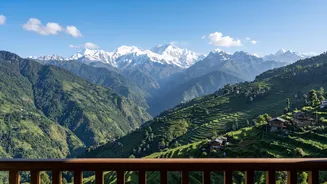
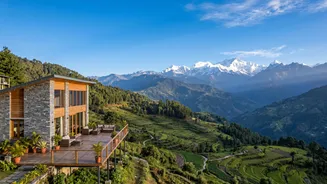
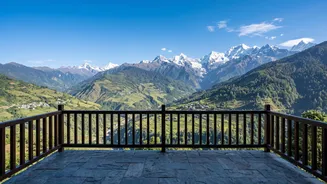
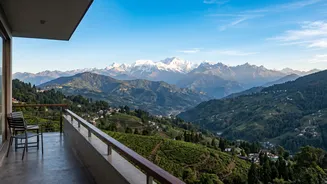
to tranquil landscapes. Burnout from urban living, combined with a desire for a better work-life balance and a lower cost of living, has made the mountains of Sikkim and the rolling hills of Kalimpong an increasingly popular choice. This shift is more than a vacation; it's a lifestyle redesign, where professionals are finding that clean air and quiet surroundings can boost both productivity and well-being. Homestay owners in these regions are adapting, transforming their properties into viable workspaces for this new tribe of digital nomads.
Sikkim and Kalimpong: The New Workstation Hubs
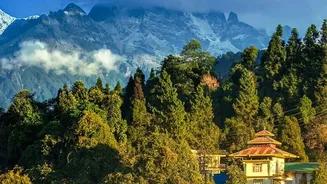
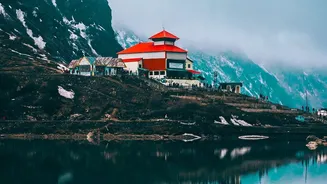
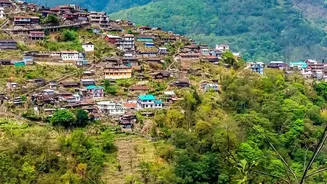
Sikkim and Kalimpong have long been cherished tourist destinations, but they are now building a reputation as hubs for long-term remote work. The appeal is multi-layered. Beyond the stunning scenery, these regions offer a rich cultural tapestry, a slower pace of life, and a strong sense of community. Initiatives are also taking root to formalise this trend. Yakten, a village in Sikkim, was recently launched as the state's first official 'Digital Nomad Village', a project designed to provide reliable infrastructure for remote workers while creating sustainable income for local families. This model, blending work with authentic local experiences, is setting a precedent for how rural economies can tap into the global digital workforce.
The All-Important Connectivity Question
For any digital nomad, the single most critical factor is internet connectivity. Historically, remote mountain regions were 'dead zones', but significant infrastructural upgrades have changed the landscape. Major providers like Jio and Airtel have expanded their fibre and 4G/5G networks into many parts of Sikkim and Kalimpong. Homestays catering to remote workers now often advertise broadband speeds of 30-100 Mbps, sufficient for video calls and cloud-based work. However, connectivity can still be variable. Wise nomads always confirm internet speeds with their host beforehand and carry a backup mobile data plan, with a combination of Jio and BSNL SIM cards often recommended for the widest coverage. Power cuts can also be frequent, so checking if a homestay has a power backup or inverter is a crucial step.
What 'Budget' Really Means
One of the most significant drivers of this trend is affordability. The cost of living in Sikkim and Kalimpong is dramatically lower than in India's major tech cities. A one-bedroom apartment can be rented for as little as ₹8,000 per month, with homestay rooms often available for ₹1,000-₹2,000 per night for shorter stays. Overall monthly costs for a single person, including rent, can be as low as $358 (around ₹30,000). While some daily necessities might be slightly more expensive due to transportation, the savings on rent, commuting, and entertainment are substantial. This financial freedom allows workers to live comfortably, save money, and invest in experiences like trekking and exploring the local culture, all while maintaining their professional careers.
More Than a Desk with a View
The ultimate draw is the unparalleled quality of life. The 9-to-5 grind is replaced by a more fluid day, where work is punctuated by walks through tea gardens, visits to ancient monasteries, and meals made from fresh, organic produce. Homestays provide a unique cultural immersion, allowing visitors to connect with local families and traditions in a way a hotel never could. This lifestyle offers profound mental and physical health benefits, reducing the stress associated with city living and fostering a deeper connection with nature. It’s an opportunity to not just work from a different location, but to live more fully and mindfully.