

Himachal Pradesh: Popular But Prepare for Crowds
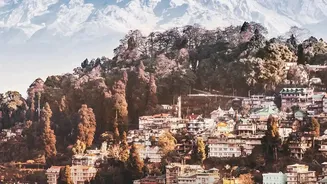
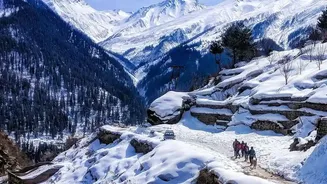
Destinations like Shimla and Manali are winter favourites for a reason: they are relatively accessible and offer a classic winter wonderland experience. Shimla, with its colonial architecture and the famous toy train, becomes a picturesque scene under
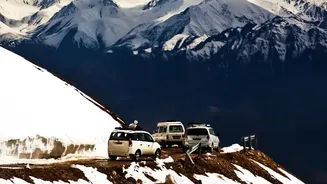
a blanket of snow. Manali and the nearby Solang Valley are hubs for skiing, snowboarding, and paragliding. However, their popularity is also their biggest challenge. Heavy snowfall, which typically starts in late December, can lead to major traffic jams and road closures. In January 2026, severe weather left hundreds of tourists stranded, with roads like the Hindustan-Tibet highway near Shimla temporarily shutting down. The Atal Tunnel, while providing better access to Lahaul, can also become a bottleneck. When planning, book hotels with confirmed heating, expect travel delays, and consider visiting in early December for fewer crowds, though with less guarantee of heavy snow.
Uttarakhand: A Skier's Paradise in Auli
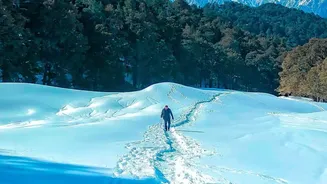
Auli, in Uttarakhand, is renowned as one of India's premier skiing destinations. Its slopes, offering panoramic views of peaks like Nanda Devi, are ideal for both beginners and seasoned skiers. The prime season runs from January to March, when snowfall is most reliable. Temperatures can plummet to -8°C at night, so proper winter gear is non-negotiable. Reaching Auli involves a drive to Joshimath, followed by a cable car ride, which is an experience in itself. While beautiful, this also means access is entirely dependent on weather conditions. The Auli Winter Carnival, scheduled for February, is a major draw, so book accommodations and travel well in advance if you plan to attend. Always check the operational status of the cable car and road conditions to Joshimath before you travel.
Sikkim: A Quieter, More Remote Winter
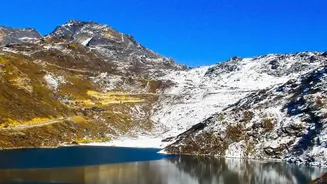
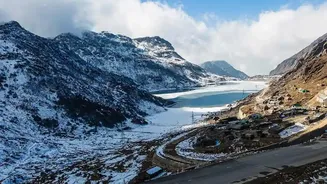
Winter in Sikkim offers a different kind of tranquility, with fewer crowds and stark, beautiful landscapes. Lower altitude areas like Gangtok remain accessible and serve as a base for exploration. High-altitude destinations such as Nathula Pass, Tsomgo Lake, and North Sikkim (Lachen, Lachung) are the main attractions, transforming into frozen wonderlands. However, access is a major variable. These areas require special permits and are frequently cut off by heavy snow, sometimes for days or weeks at a time. In recent winters, North Sikkim has seen tourist demand exceed infrastructure, leading to shortages of hotels and vehicles. Planning a trip here requires flexibility, booking with a reliable local operator who can provide real-time updates, and being prepared for itinerary changes. Acclimatisation is also critical due to the high altitudes.
The Golden Rule: Check Conditions Constantly
The single most important piece of advice for a Himalayan winter trip is to monitor conditions before and during your travel. A weather app showing 'light snow' does not mean the road is open. Your planning should involve multiple sources. Start with official forecasts from the India Meteorological Department (IMD) for the specific district. Then, check the social media pages or websites of the local district administration and police for road status updates and travel advisories. These are often the most reliable sources for real-time closure information. Finally, if you're driving or have hired a car, have your local driver or tour operator reconfirm conditions on the ground just before you start a journey. Landslides, black ice, and sudden snowstorms are realities of mountain travel.
Packing for the Cold: Layering is Key
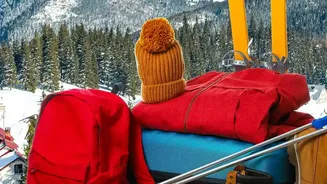
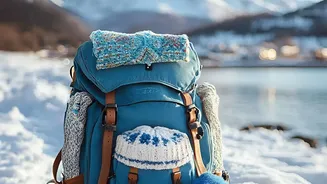
Dressing for the Himalayan winter is about layering, not just wearing one heavy jacket. Your packing list should be built around a three-layer system: a moisture-wicking base layer to keep sweat off your skin, an insulating middle layer (like fleece or a down jacket) for warmth, and a waterproof, windproof outer shell to protect you from the elements. Cotton should be avoided as it holds moisture and makes you colder. Beyond clothing, essential items include insulated waterproof boots, woolen socks, gloves or mittens, a warm hat or balaclava, and sunglasses to protect against intense sun glare from the snow. Also pack a thermos for hot drinks, high-energy snacks, a portable charger, and a basic first-aid kit with medication for altitude sickness.