

The Weather: Expect Sun, Wind, and Chills
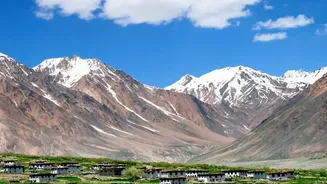
The pre-autumn months in Ladakh, primarily July and August, offer some of the most pleasant weather for travel. In Leh, daytime temperatures hover between 20°C and 25°C, making it warm enough for a t-shirt in the sun. However, don't be fooled by the pleasant afternoons.
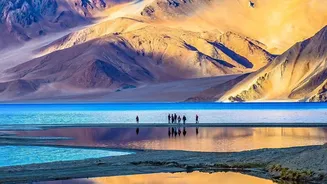
The high altitude means the sun's UV rays are incredibly strong, so sunscreen is non-negotiable. As soon as the sun disappears, or when you're in the shade or at higher passes like Khardung La, temperatures can drop significantly. Evenings and nights are chilly, with temperatures in Leh falling to around 8°C to 12°C. At higher altitude destinations like Pangong Tso and Tso Moriri, expect nights to be much colder, sometimes approaching freezing.
Road Conditions: Both Highways Are Open
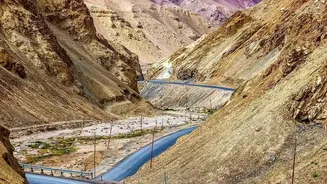
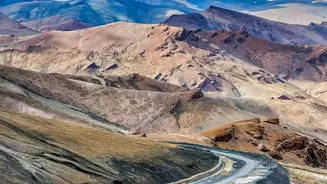
By July, both major arteries into Ladakh—the Manali-Leh Highway and the Srinagar-Leh Highway—are fully operational. This is the peak window for road trippers. The Srinagar-Leh road is generally considered the easier of the two, offering a more gradual ascent which helps with acclimatisation. Key passes like Zoji La are clear, and the operational Z-Morh tunnel near Sonamarg helps bypass some tricky stretches. The Manali-Leh highway, a more rugged and adventurous route, is also in its best condition of the year. All its high passes, including Baralacha La and Tanglang La, are open. However, travellers should remain cautious. The monsoon season in Himachal Pradesh and Kashmir can cause landslides and temporary blockades on the approaches to Ladakh, even though Ladakh itself remains largely dry in a rain-shadow area.
Acclimatisation: Your Top Priority
Altitude sickness, or Acute Mountain Sickness (AMS), is a serious risk that every traveller must take into account. Leh is situated at an altitude of over 11,000 feet (3,500 metres). If you fly into Leh, the most crucial rule is to do absolutely nothing for the first 24 to 48 hours. This period of complete rest allows your body to begin adjusting to the lower oxygen levels. Drink plenty of water, at least 4-6 litres a day, and avoid alcohol and strenuous activity. If you are driving, the Srinagar route is better for gradual acclimatisation than the Manali route. Symptoms of AMS include headache, dizziness, nausea, and fatigue. If symptoms are severe, the only cure is to descend to a lower altitude immediately. While some travellers take medication like Diamox as a preventive measure, you must consult a doctor before your trip.
Packing Essentials: Layering is Key
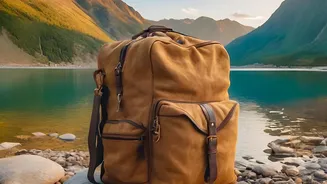
Packing for Ladakh is all about layering. You'll need clothes for warm days and cold nights. Essentials include full-sleeve t-shirts, a fleece jacket, and a windproof and waterproof outer layer. Thermals are a good idea, especially for nights and early mornings at high-altitude lakes. Don't forget a warm cap (beanie), gloves, and several pairs of warm socks. For sun protection, a wide-brimmed hat, sunglasses, and a high-SPF sunscreen (SPF 50+) are vital. The dry air will also chap your skin and lips, so a good moisturiser and lip balm are must-haves. Comfortable walking shoes with good grip are essential for exploring monasteries and towns.
Permits and Paperwork: Plan Ahead
To visit popular areas beyond Leh, such as Nubra Valley, Pangong Tso, and Tso Moriri, Indian tourists need to pay a Ladakh Environment and Development Fee. While this system has largely replaced the old Inner Line Permit (ILP) document for domestic travellers, the receipt from this payment acts as your permit at various checkpoints. The process can be completed online through the official Leh district administration portal. It’s wise to do this before your trip and carry multiple printouts of the receipt. Foreign nationals require a Protected Area Permit (PAP), which has a different application process. You'll also need to carry a valid government-issued photo ID at all times.
Festivals and Culture: Summer Celebrations
Summer is a vibrant time in Ladakh, with several monastic festivals taking place. These festivals, or 'Tsechus', are a colourful display of local culture, featuring masked dances (Chhams) performed by monks in traditional silk costumes. If your travel dates align, try to witness one of these events. For example, the Phyang Tsedup festival is scheduled for July 12th and 13th, 2026, at the Phyang Monastery. Other festivals like Karsha Gustor in Zanskar also occur during the summer months. These events offer a fascinating glimpse into the region's living Buddhist heritage and are a major attraction for visitors.