




An Unexpected Summer Jewel
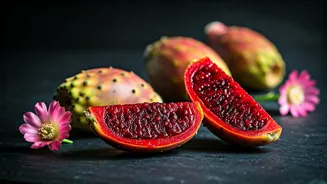
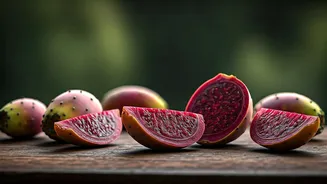
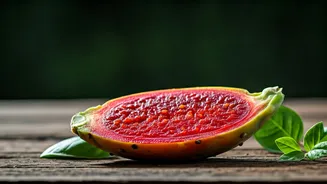
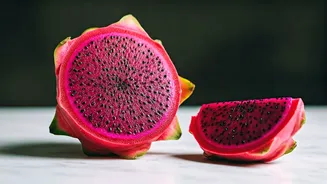
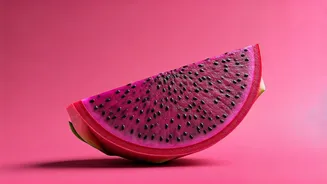
Known as Nagphani in Hindi, this fruit of the Opuntia cactus is a surprising delight. Despite its intimidating exterior, the inside holds a treasure. The fruit, often shaped like a pear, comes in stunning colours from green to a deep magenta-red. For
generations, it has been a part of local diets in arid regions like Rajasthan, where it grows wild. While it has long been a staple in Mexico and Latin America, this superfood is now finding its moment in kitchens across India, celebrated for its unique flavour and impressive health credentials.
What Does It Taste Like?
Describing the taste of prickly pear is a sensory challenge. Many compare its flavour to a combination of sweet watermelon and strawberry, with a hint of raspberry tartness. Some even find notes of all-natural bubblegum. The texture is soft and juicy, though it's filled with small, hard seeds. While the seeds are edible, many people prefer to juice the fruit or strain the pulp to create a smoother consistency for drinks and desserts. The flavour is typically mild and refreshing rather than overwhelmingly intense, making it a versatile ingredient.
How to Handle with Care
The name “prickly pear” is not a joke. The fruit is covered in tiny, almost invisible spines called glochids that can be a nuisance. Always handle them with tongs or thick gloves. The safest way to prepare them is to remove these spines before peeling. A popular method is to hold the fruit with tongs over a gas flame to singe off the spines. Once the spines are gone, place the fruit on a cutting board, slice off both ends, make a shallow cut down the length of the skin, and then peel it back to reveal the vibrant flesh inside. You can then slice it, dice it, or scoop it out with a spoon.
A Boost of Nutrition
Beyond its exotic taste, the prickly pear is a nutritional powerhouse. It is packed with dietary fiber, which aids digestion, and is an excellent source of Vitamin C and magnesium. The fruit is also rich in antioxidants like betalains, which are responsible for its brilliant red colour and have anti-inflammatory properties. With a high water content and low-calorie count, it's a perfect hydrating snack for hot summer days. These nutrients contribute to improved immunity, better skin health, and may even help in managing blood sugar and cholesterol levels.
Easy Ways to Enjoy Prickly Pear
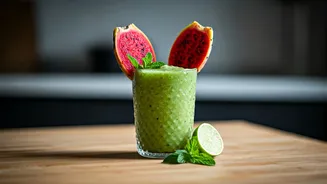
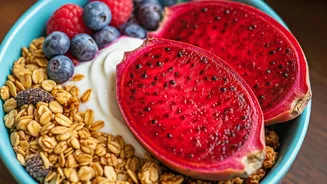
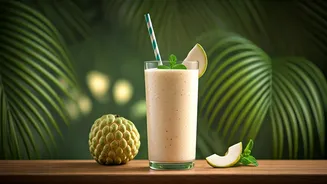
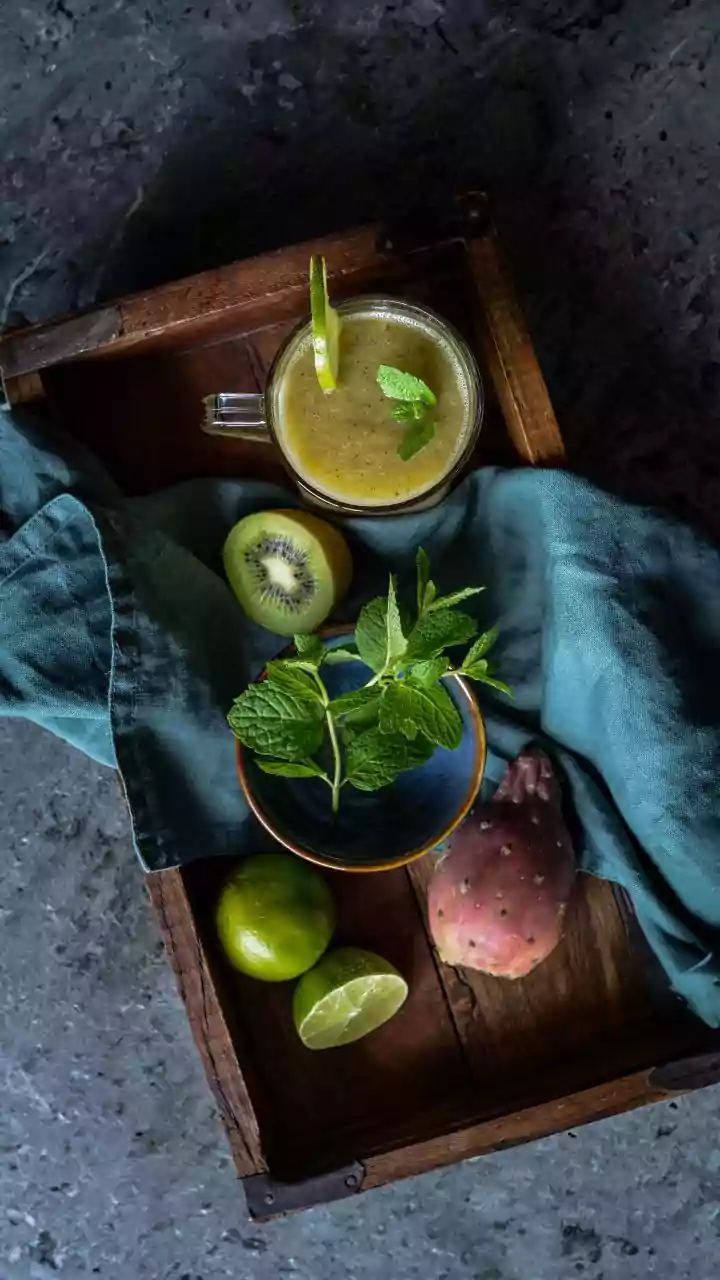
You don't need to be a professional chef to enjoy prickly pear. The easiest way to start is by making a refreshing juice. Simply blend the peeled fruit with a little water and strain the seeds out. This juice is a fantastic base for a vibrant pink lemonade, a unique mojito, or a simple agua fresca. You can also add chunks of the fruit to salads for a pop of colour and sweetness, much like you would use melon. For a simple dessert, try drizzling prickly pear syrup over ice cream or yogurt. Even a simple chutney, a traditional preparation in parts of Rajasthan, brings out its unique sweet and tangy notes.