




The Common Trap: The Never-Ending To-Do List
For most homeowners, the maintenance list is a single, daunting document. It's a jumble of tasks ranging from 'fix the gushing pipe' to 'finally paint the guest room'. This approach is a recipe for stress. When everything is on one list, it's impossible
to prioritise. The small, easy tasks often get done first, while the critical-but-complex ones get pushed down, sometimes until they become expensive emergencies. The key to escaping this cycle is to stop thinking of it as one list. Instead, sort every issue into one of four distinct categories. This mental shift allows you to allocate your time, money, and energy more effectively, turning chaos into a manageable plan.
Category 1: Urgent Repairs (The 'Drop Everything' List)
This category is for true emergencies that pose an immediate risk to your safety or property. Think of a burst pipe flooding the kitchen, a gas leak, or a complete electrical failure. There is no scheduling for these problems; they require immediate action. The goal here is damage control. Your only job is to stop the problem from getting worse, which almost always means calling a professional immediately. Don't worry about getting multiple quotes or finding the perfect price. The priority is speed and safety. Understanding this category helps you react correctly in a crisis, focusing on mitigation first and foremost.
Category 2: Important Problems (The 'Act Soon' List)
This is arguably the most critical category for saving money and preventing stress. These are problems that need attention but aren't immediate emergencies. This includes a slowly dripping faucet, a roof with a few missing shingles, or an appliance that’s starting to make a funny noise. Ignoring these issues is a common mistake that allows them to escalate into urgent, expensive repairs. The strategy for this list is to schedule action. Take the time to diagnose the problem, research solutions, and get quotes from qualified professionals. By tackling these issues in a planned manner, you remain in control, often fixing things for a fraction of the cost of an emergency call-out.
Category 3: Preventive Maintenance (The 'Invest in the Future' List)
This category is about being proactive, not reactive. These are the routine tasks that keep your home's systems running smoothly and extend their lifespan. This includes tasks like servicing your HVAC system annually, cleaning out gutters, testing smoke detectors, and flushing your water heater to remove sediment. These jobs are easy to postpone because nothing is actively broken, but skipping them is a costly error. Think of this as an investment in your home’s future. Scheduling these tasks seasonally—for instance, an HVAC check-up before summer—ensures they get done and helps prevent many urgent and important problems from ever occurring.
Category 4: Cosmetic Upgrades (The 'Dream' List)
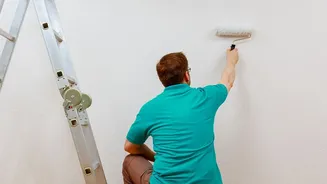
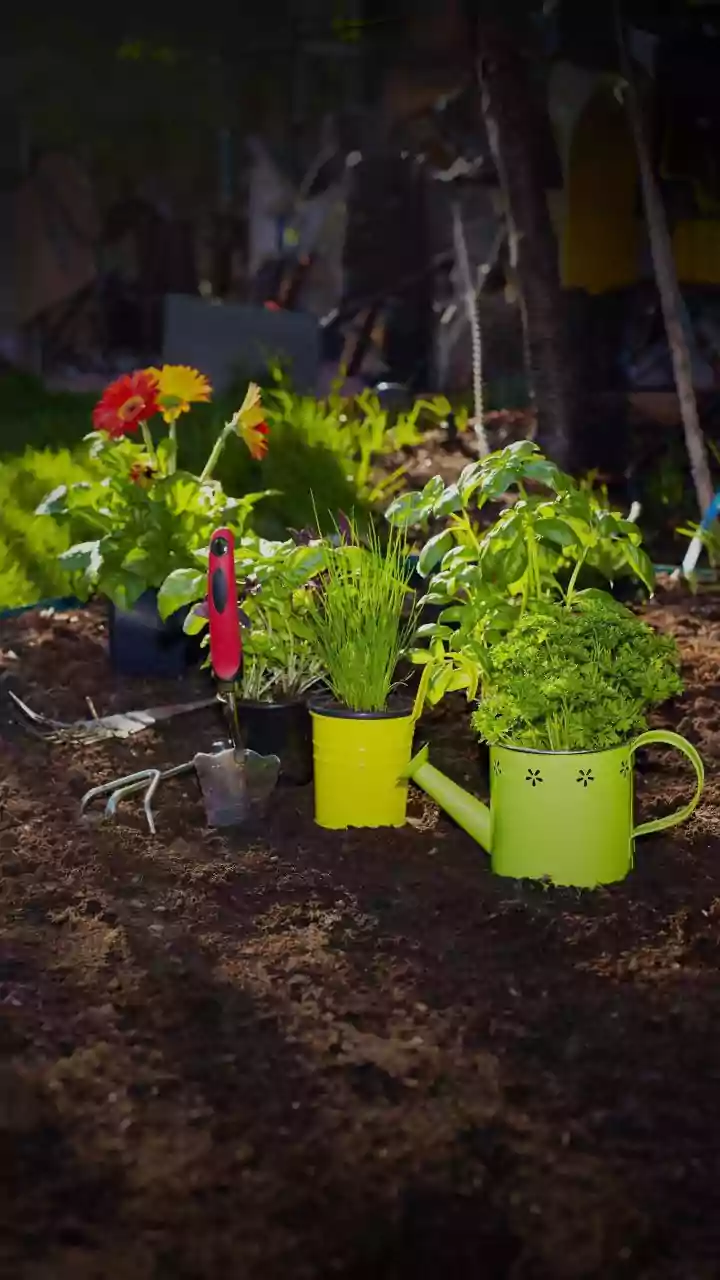
This is the fun list. It includes all the projects that improve your home's appearance and your enjoyment of it, but aren't related to function or safety. This could be painting a bedroom a new colour, updating light fixtures, or planting a new garden. It's vital to keep these tasks separate from maintenance. Why? Because they are discretionary and should be funded by a separate budget. Confusing a 'want' (like a new backsplash) with a 'need' (like fixing a leaky pipe) can lead to poor financial decisions. By giving these upgrades their own category, you can plan and save for them without taking resources away from the essential upkeep that protects your home's value and safety.