


The Promise of Cleaner Indoor Air
Everyday items like furniture, paint, and cleaning products can release common chemicals known as volatile organic compounds (VOCs) into our homes. A famous 1989 NASA Clean Air Study explored how houseplants could help filter these pollutants in sealed
environments. Both the Snake Plant and the Peace Lily were featured in this research for their ability to absorb toxins like formaldehyde and benzene. While you would need a large number of plants to replicate the lab conditions, adding a few to your space can still contribute to a healthier environment by adding oxygen and humidity.
The Snake Plant: Your Bedroom's Night-Shift Worker
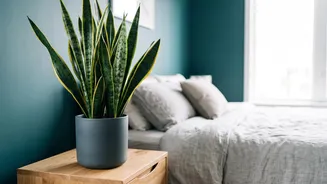
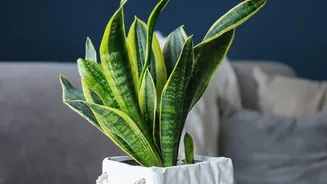
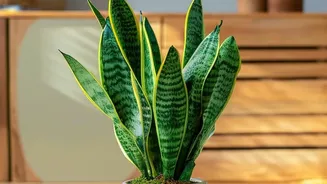
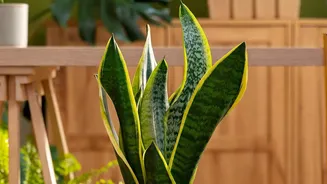
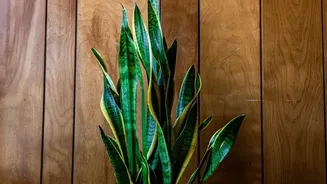
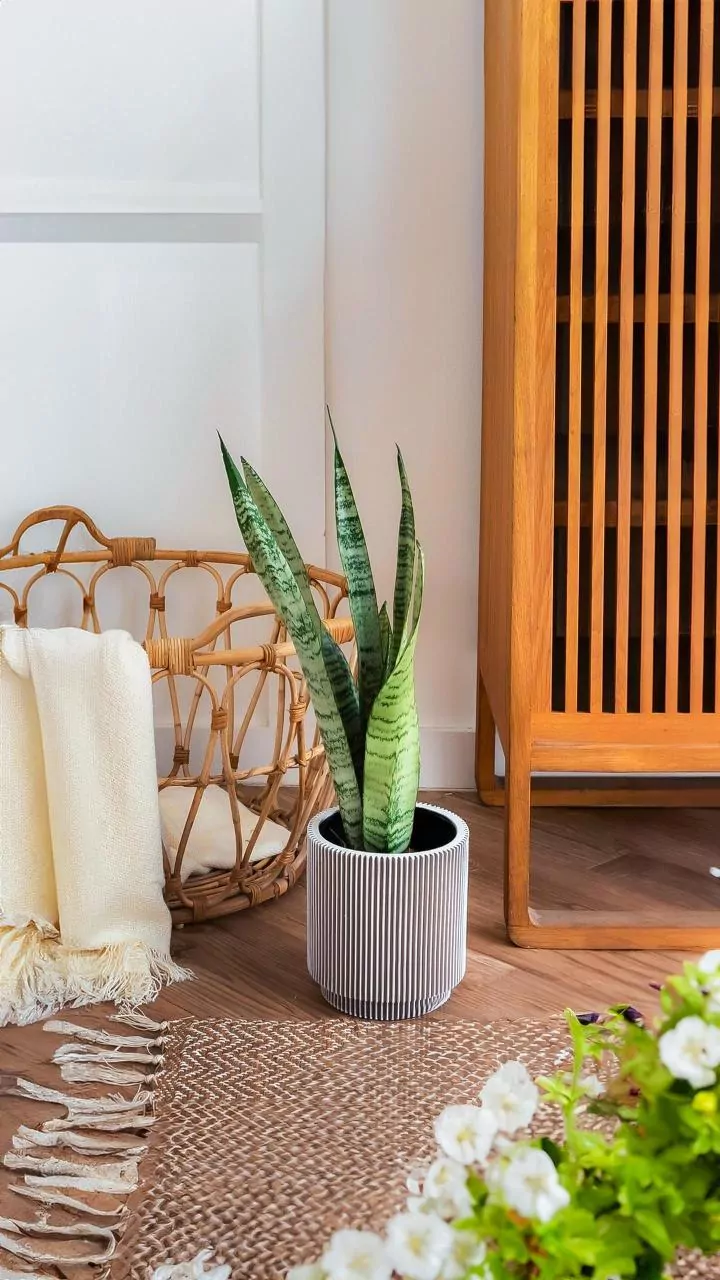
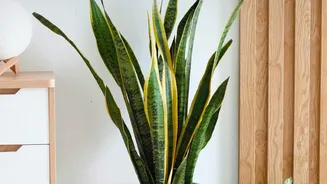
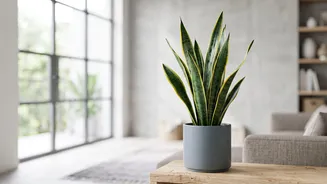
The Snake Plant, also known as Sansevieria or mother-in-law’s tongue, is a champion of low-maintenance living. But its most impressive feature for the bedroom is a special type of photosynthesis (CAM) that allows it to convert carbon dioxide into oxygen at night. While most other plants do this only during the day, the Snake Plant works after dark, releasing fresh oxygen while you rest, which may help promote deeper sleep. It's incredibly resilient, thriving in low light and tolerating infrequent watering, making it perfect for beginners or busy individuals.
Caring for Your Snake Plant
This plant truly thrives on neglect. It prefers bright, indirect light but can easily adapt to low-light corners of a room. The biggest mistake is overwatering. Allow the soil to dry out completely between waterings; this might mean watering just once a month during winter. Its upright, architectural leaves make it a great choice for small spaces, as it grows vertically without demanding much floor space.
The Peace Lily: An Elegant Air-Purifying Powerhouse
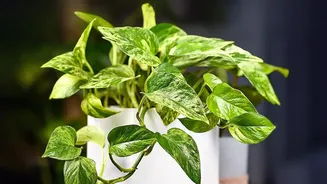
The Peace Lily (Spathiphyllum) is another star from the NASA study, noted for its ability to remove all six chemicals tested, including ammonia. With its lush, glossy green leaves and elegant white spathes that look like flowers, it adds a touch of tranquil beauty to any room. Unlike the stoic Snake Plant, the Peace Lily is more communicative; its leaves will visibly droop when it's thirsty, providing a clear and timely reminder to water it. This makes it easy to care for, as it tells you exactly what it needs.
Caring for Your Peace Lily
Peace Lilies prefer evenly moist soil and bright, indirect light. An east-facing window is often ideal. While they can survive in lower light, they are more likely to produce their signature white blooms when given more light. Water thoroughly when the top inch of soil feels dry, or simply wait for the plant to give you its signature droop. They also appreciate higher humidity, which can help increase the moisture in the air of a dry room.
An Important Note for Pet Owners
While both plants offer wonderful benefits, it's crucial to know that both the Snake Plant and the Peace Lily are toxic to cats and dogs if ingested. The Peace Lily contains calcium oxalate crystals that can cause oral irritation, drooling, and vomiting. The Snake Plant contains saponins, which can lead to nausea, vomiting, and diarrhea in pets. If you have curious pets, be sure to place these plants on high shelves or in rooms that your furry friends cannot access.