


The Smart Oil and Ghee Strategy
The foundation of many Indian dishes starts with hot oil or ghee. While traditional fats have their place, heart health calls for a more mindful approach. The key isn't elimination, but moderation and smart substitution. For daily cooking, consider rotating
a mix of oils. Cold-pressed mustard oil, groundnut oil, and sesame oil are excellent for their monounsaturated fat content and high smoke points. When using ghee, treat it as a flavour enhancer rather than a primary cooking medium—a teaspoon drizzled over dal or roti at the end adds immense flavour with minimal quantity. The most practical tip? Measure your oil. Instead of pouring freely, use a tablespoon to control the amount. This simple habit can drastically cut down your daily fat intake without you even noticing a difference in taste.
Embracing Whole Grains and Millets
Refined grains like white rice and maida are staples, but they offer little in terms of fibre, which is crucial for heart health. The shift towards whole grains is one of the easiest and most impactful changes. Instead of plain white rice, try brown rice or a mix of white and brown. Better yet, rediscover the power of millets. Jowar, bajra, and ragi are not just 'old-fashioned' grains; they are nutritional powerhouses packed with fibre, protein, and essential minerals. They can be easily incorporated into your diet. Swap your regular wheat atta with a multigrain version that includes jowar or bajra flour to make rotis. Ragi can be used to make delicious and healthy dosas or porridges. This switch helps regulate blood sugar, lowers cholesterol, and keeps you feeling full for longer, preventing unhealthy snacking.
Rethinking the Tadka and Masala
The tadka, or tempering, is the flavour backbone of Indian cooking. But it doesn't need to swim in oil to be effective. A modern, heart-friendly approach focuses on technique. Use a small, high-quality tadka pan that heats up quickly and evenly, requiring less oil. 'Bloom' your spices in just a teaspoon or two of hot oil until they release their aroma. For gravies, instead of relying on a fat-heavy onion-tomato masala, increase the volume of vegetables. Add grated carrots, bottle gourd (lauki), or pumpkin to your base. They add natural sweetness and thickness, reducing the need for rich ingredients like cream or cashew paste. Water-sautéing is another great trick: sauté your onions with a splash of water instead of oil to soften them before adding tomatoes and spices.
Cutting Down on Salt and Sugar
Sodium is a major contributor to high blood pressure, and it hides in plain sight in our pickles, papads, and sauces. The most practical way to reduce salt is to do it gradually, allowing your palate to adjust. Use salt at the end of the cooking process, not the beginning, as you're more likely to use less. Enhance flavours with other ingredients: a squeeze of lemon juice, a dash of amchur (dried mango powder), or a generous amount of fresh herbs like coriander and mint can brighten a dish without a single extra grain of salt. Similarly, be mindful of hidden sugars in packaged sauces and drinks. For desserts, lean on the natural sweetness of fruits, dates, and jaggery in moderation, rather than refined white sugar.
Modern Methods for Traditional Tastes
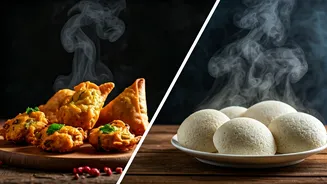
You don't need to give up your favourite snacks like samosas or pakoras; you just need to cook them differently. Deep-frying can be replaced with modern methods that deliver satisfying results with a fraction of the oil. An air fryer is a fantastic investment for achieving a crispy texture on everything from tikkis to kebabs. Baking is another excellent option for items like samosas and kachoris. For everyday cooking, embrace steaming and pressure cooking. These methods retain more nutrients in vegetables and require minimal to no oil, making them perfect for creating light yet flavourful sabzis and dals. By adopting these techniques, you can enjoy the full spectrum of Indian cuisine in a much healthier way.