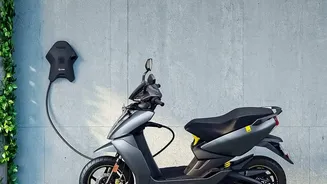


The Charging Conundrum
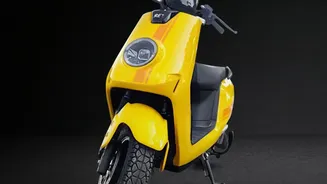
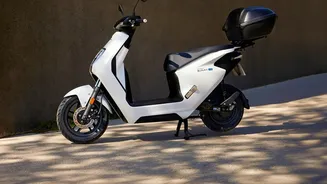
For millions of daily commuters in India, electric two-wheelers offer a tantalising promise: lower running costs, zero emissions, and a quiet ride. Yet, a single question has consistently held back widespread adoption: “How long does it take to charge?”
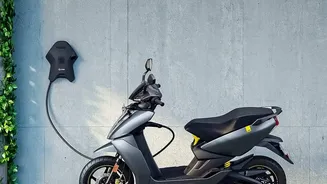
The answer has often been a deal-breaker. Standard home charging can take four to eight hours, rendering a vehicle useless for an entire workday or overnight. This inconvenience, coupled with 'range anxiety'—the fear of running out of power mid-journey—has been the primary obstacle. While public charging infrastructure is growing, with tens of thousands of stations now available, the time spent tethered to a plug remains a significant deterrent. After all, the goal is to replicate the convenience of a five-minute petrol fill-up, not to plan your day around your scooter’s charging schedule. This fundamental usability gap is precisely what new battery research is beginning to solve.
The Problem with Charging Faster
If the solution is faster charging, why not just pump more electricity into the battery? It’s not that simple. Forcing a high current into a conventional lithium-ion battery is like over-inflating a tyre—it creates immense stress. This process generates significant heat, which can accelerate the degradation of battery components. One major issue is 'lithium plating', where lithium ions form metallic, branch-like structures called dendrites on the anode's surface. These dendrites can reduce the battery's capacity and, in worst-case scenarios, puncture the separator between the anode and cathode, causing a short circuit and posing a safety risk. For years, battery engineers faced a difficult trade-off: they had to choose between charging speed and battery lifespan. Longevity always won, keeping charging times frustratingly long.
Breakthroughs in the Lab
The good news is that the lab is no longer just a lab. Several key research areas are maturing into commercially viable technologies that directly address the fast-charging challenge. One of the most promising is the development of solid-state batteries. These replace the liquid or gel electrolyte in traditional batteries with a solid material, which is far more stable, less flammable, and more resistant to dendrite formation. Other major advancements are happening with anode materials. Researchers are moving beyond graphite and incorporating silicon, which can store significantly more lithium ions, boosting energy density and charging speeds. Additionally, new chemistries like Lithium Iron Phosphate (LFP) are gaining traction in India for their superior thermal stability and longer life cycle, even if they don't have the highest energy density. Combined with sophisticated Battery Management Systems (BMS) and innovative thermal management—like placing liquid cooling between cells—these technologies are creating batteries that can safely handle ultra-fast charging.
From Lab Bench to Indian Roads
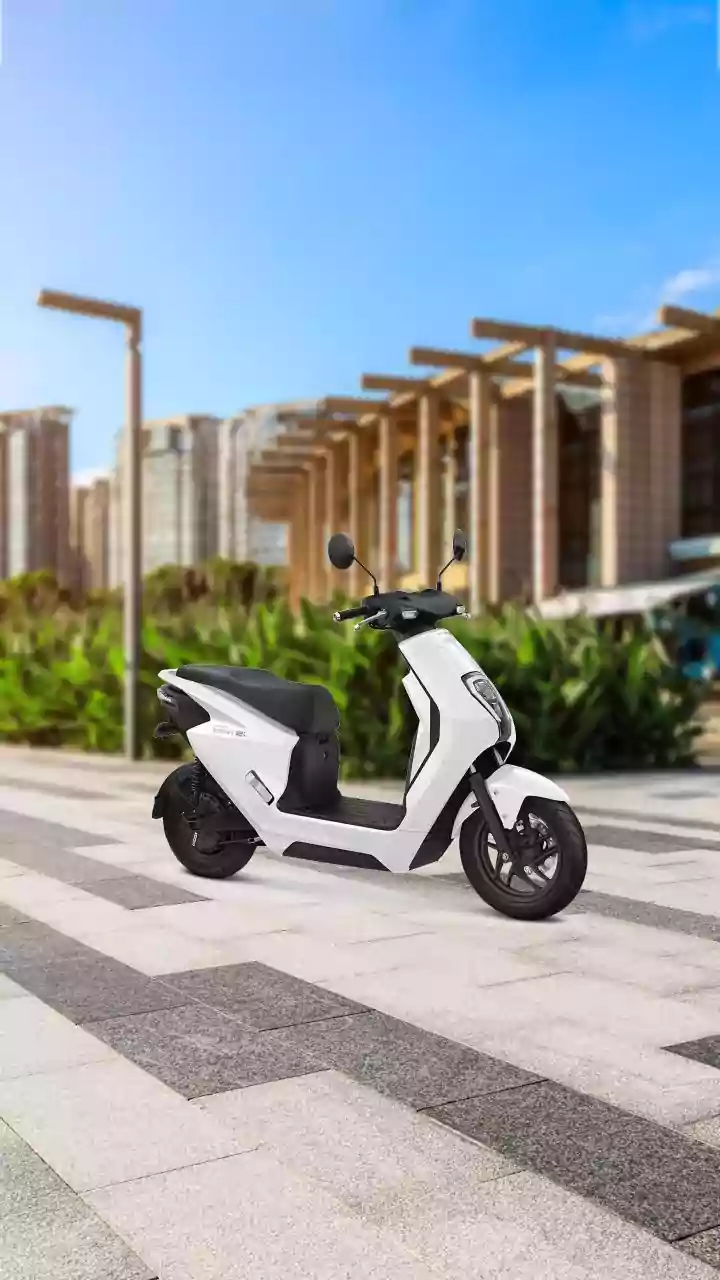
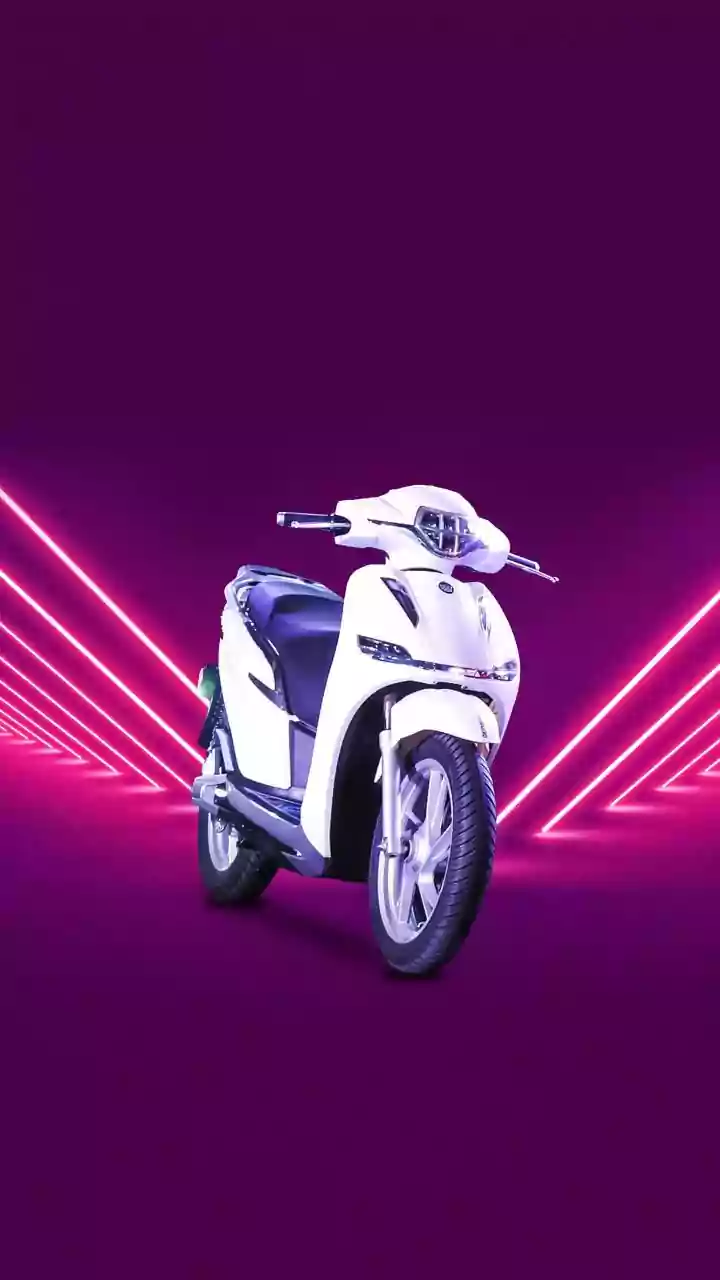
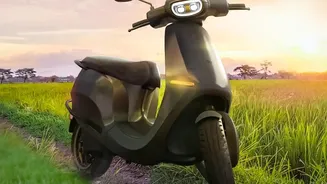
These global breakthroughs are having a direct and tangible impact on the Indian two-wheeler market. International companies like CATL are developing batteries that can add hundreds of kilometres of range in minutes, and this technology is quickly finding its way into all EVs. In India, companies are increasingly focusing on fast charging as a key feature. Some high-voltage electric motorcycles are already launching with CCS2 fast-charging capabilities, a standard typically seen in electric cars, promising an 80% charge in a fraction of the time of older models. Even more accessible scooters are seeing their charging times shrink dramatically, with some models achieving an 80% charge in just two hours. Another uniquely Indian solution gaining traction is battery swapping. This model, adopted by companies like Bounce Infinity, bypasses charging time altogether, allowing riders to exchange a depleted battery for a fully charged one in minutes at a swap station. This combination of faster on-board charging and swappable options is directly tackling the core consumer pain point of waiting.
Building a Faster Ecosystem
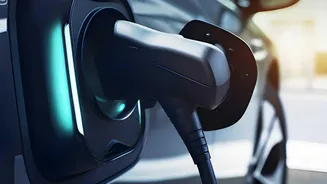
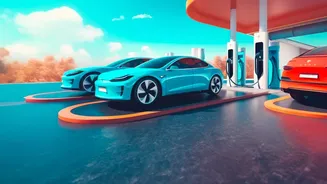
Advanced batteries are only half of the equation. To make fast charging truly useful, a robust infrastructure network is essential. This is also an area of rapid development. Companies like Tata Power, Statiq, and Charge Zone are aggressively expanding India's network of public chargers. Critically, this expansion includes a growing number of DC fast chargers, which are necessary to achieve sub-one-hour charge times. Government schemes such as FAME-II and PM E-DRIVE have provided significant funding to bolster this infrastructure rollout. As the number of fast-charging-compatible two-wheelers increases, and the network of high-speed chargers expands along highways and in urban centers, the synergy between technology and infrastructure will create a tipping point for mass adoption, making electric two-wheelers not just an economical or green choice, but the most convenient one.