


The Current Battery Bottleneck
At the heart of every electric scooter and motorcycle today is a lithium-ion battery. This technology has been a workhorse, powering everything from our phones to our vehicles. However, it has its limitations. The primary components, including a liquid
or gel-like electrolyte, make the battery packs heavy, bulky, and susceptible to safety issues like overheating if not managed properly. This liquid electrolyte is also flammable, which adds to the safety concerns. Furthermore, the materials used, like cobalt and nickel, can be expensive and have volatile supply chains, directly impacting the final cost of the electric vehicle. This cost is the main reason why EVs often carry a higher price tag than their internal combustion engine (ICE) equivalents, a significant factor for buyers in a price-sensitive market like India.
Enter Solid-State: A Technological Leap
Solid-state batteries represent the next generation of energy storage. The core innovation is replacing the flammable liquid electrolyte with a solid material, which can be a type of ceramic, polymer, or other advanced compound. This single change has a cascade of positive effects. A solid electrolyte is not flammable, which immediately makes the battery pack safer and less prone to the risk of thermal runaway. It also allows for a more compact and energy-dense design. This means manufacturers can create batteries that are smaller and lighter but hold more energy, or they can fit more energy into the same space, dramatically increasing the vehicle's range. Major companies like Toyota, Samsung, and even Indian players like Ola Electric are investing heavily in this technology, signalling its future importance.
The Path to Lower Costs
While solid-state batteries are currently more expensive to produce due to new manufacturing processes and materials, the long-term view points toward significant cost reduction. Firstly, the design is simpler. By eliminating the liquid electrolyte, manufacturers can also remove associated components like separators and complex cooling systems, reducing weight and manufacturing complexity. Secondly, this technology opens the door to using different materials. For example, many solid-state designs use a lithium metal anode, which has a much higher capacity than the graphite anodes used today. As manufacturing scales up and the technology matures, economies of scale are expected to drive down the price. The ultimate goal for many developers is to make solid-state battery costs equal to or even lower than current lithium-ion batteries, which would directly translate to more affordable electric two-wheelers for consumers.
More Than Just Price: Safety and Performance
The benefits of solid-state technology extend far beyond the sticker price. One of the most significant advantages is safety. The absence of a flammable liquid electrolyte drastically reduces the risk of fires. For riders, this provides crucial peace of mind. Performance also gets a major upgrade. Solid-state batteries promise much faster charging times. Some prototypes have demonstrated the ability to charge from 10% to 80% in as little as 10-15 minutes, a huge improvement over the hours it can take for some current models. These batteries also have a longer lifespan, able to endure more charge and discharge cycles before their performance degrades. Finally, higher energy density means a longer range on a single charge, addressing the 'range anxiety' that still deters many potential EV buyers.
The Road Ahead for India
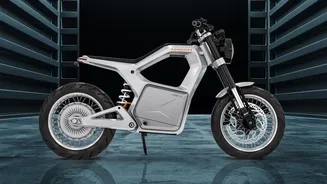
So, when can we expect to see these revolutionary batteries in electric scooters on Indian roads? The transition won't happen overnight. Global experts predict that mass-market adoption in cars will likely begin around 2027-2030. However, the two-wheeler segment might see them even sooner. Some niche electric motorcycles are already being delivered with solid-state technology in 2026. In India, major players are already making moves. Ola Electric has announced plans for a gigafactory with a focus on solid-state cell development. Other domestic companies like Vikram Solar and Godi India are also entering the energy storage space with an eye on next-generation tech. As local manufacturing capabilities grow, supported by government initiatives, India is well-positioned to become a key player in both the development and adoption of this game-changing technology, accelerating the nation's journey toward electric mobility.