





A Lifeline on the Brink
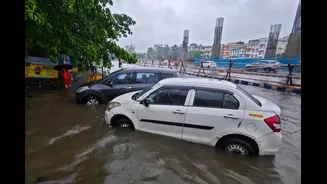
Consider the Jammu-Srinagar National Highway (NH-44), often called the only all-weather road connecting the Kashmir Valley to the rest of India. This title is a cruel irony. On July 25, 2026, like countless times before, the highway was shut down due
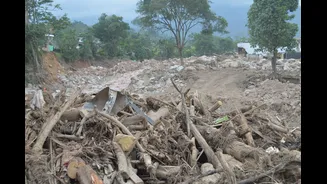
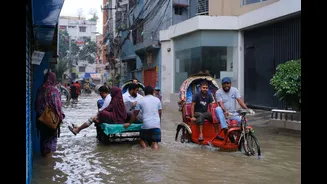
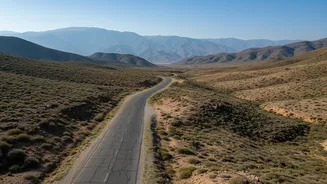
to fresh landslides triggered by monsoon rains. Hundreds of vehicles were left stranded. This isn't a rare occurrence; it's a predictable, seasonal failure. Similarly, the Mughal Road, a historic alternative route connecting Poonch and Rajouri with Shopian, was also closed on the same day due to multiple landslides. These routes are not just asphalt and gravel; they are economic and social lifelines. When they are severed, entire regions are cut off, turning a commute into a dangerous waiting game.
The Daily Toll of Isolation
The consequences of these closures are measured in human terms. Imagine being a fruit grower in Shopian, watching your perishable harvest rot in a stranded truck. Or a patient from Poonch unable to reach a specialized hospital in Srinagar for urgent treatment. Students miss exams, families are separated, and the local economy grinds to a halt. The constant disruption breeds a sense of uncertainty and neglect. The closure of NH-44 and the Mughal Road doesn't just halt traffic; it halts lives. This recurring crisis underscores a fundamental failure: for those living in geographically challenging areas, access to the rest of the country is treated as a privilege, not a right.
Promises of Tunnels and All-Weather Dreams
For years, the solution has seemed obvious: build resilient, all-weather alternatives. The discussion around constructing tunnels, particularly at Pir Ki Gali on the Mughal Road and on other critical stretches, has been ongoing. A tunnel would bypass the most treacherous, landslide-prone sections, making the road truly operational year-round. Announcements have been made, and projects have been approved, sparking hope. Yet, the reality on the ground moves at a frustratingly slow pace. The gap between a sanctioned project and a completed tunnel is filled with bureaucratic delays and construction challenges, leaving communities stuck in the same cycle of hope and despair. While these long-term projects are debated, the people of Jammu and Kashmir continue to rely on roads that are fundamentally unfit for purpose.
A National Imperative
This is not just a problem for Jammu and Kashmir. Across India's Himalayan states, from Himachal Pradesh to Uttarakhand, communities are held hostage by geography and inadequate infrastructure. The annual monsoon season regularly exposes the vulnerability of our road networks, causing immense economic loss and tragic fatalities. Building resilient infrastructure is more than an engineering challenge; it is a national security and economic imperative. An all-weather road does more than connect two points on a map. It fosters economic integration, ensures access to essential services like healthcare and education, and strengthens the very fabric of the nation. It sends a clear message to citizens in remote areas that they are not forgotten.