


The Reheating Myth: A False Sense of Security
Many of us believe that blasting leftovers in the microwave or heating them on the stove is a foolproof way to make them safe to eat. While high heat does kill most active bacteria, it often fails to eliminate the dangerous toxins they leave behind. Certain
bacteria, like Staphylococcus aureus and Bacillus cereus, produce heat-stable toxins as they multiply in improperly stored food. These toxins can survive the reheating process and are a common cause of food poisoning, leading to symptoms like vomiting and diarrhoea even after the bacteria themselves are dead. This makes reheating a poor substitute for proper food handling from the start.
Monsoon: A Perfect Playground for Germs
The rainy season in India creates an ideal environment for microorganisms to thrive. The combination of high humidity and warm ambient temperatures is a perfect storm for the rapid growth of bacteria, mould, and fungi on food surfaces. Moisture in the air can make dry goods like biscuits and spices spoil, while also accelerating the decay of fresh produce and cooked meals. This heightened risk means food that might be safe for a few hours in drier weather can become hazardous much more quickly during the monsoon.
The Danger Zone: A Critical Window to Avoid
Food safety experts refer to the temperature range between 5°C and 60°C as the 'danger zone'. Within this range, bacteria can multiply exponentially, sometimes doubling in number in as little as 20 minutes. Leaving cooked food at room temperature for more than two hours places it squarely in this zone. During the monsoon, the ambient temperature often falls within this range, making prompt and proper storage absolutely critical. The goal is to cool foods quickly and get them below 5°C to halt bacterial growth.
Mastering Cooked Food Storage
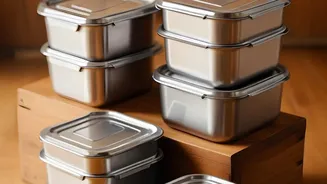
The golden rule is to refrigerate leftovers as soon as possible, ideally within two hours of cooking. Do not leave large batches of food to cool on the counter for hours. Instead, divide them into smaller, shallow containers to help them cool down faster before placing them in the fridge. Using airtight containers is non-negotiable. They prevent moisture from getting in, stop odours from spreading, and protect the food from cross-contamination from raw ingredients. Always store raw meat, poultry, and seafood on the bottom shelf of the refrigerator to prevent their juices from dripping onto and contaminating other foods.
Handling Raw Fruits and Vegetables
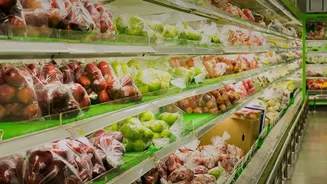
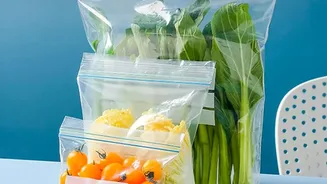
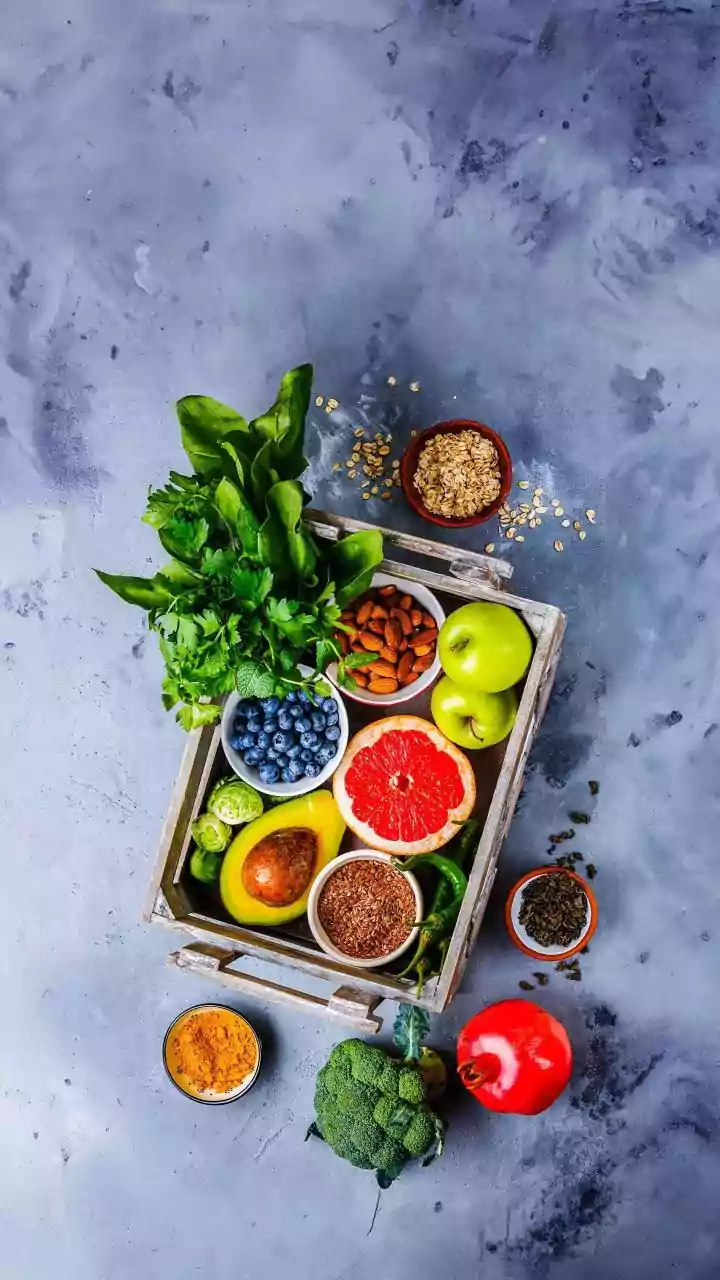
Your hygiene routine should start the moment you bring groceries home. Wash all fruits and vegetables thoroughly under running water to remove dirt and potential pathogens. The key during monsoon is to ensure they are dried completely before storage, as excess moisture encourages rot. Wiping them with a clean cloth or paper towel is effective. Store leafy greens wrapped in paper towels inside permeable bags to keep them crisp. Avoid buying pre-cut fruits and salads, as their increased surface area and handling expose them to a higher risk of contamination.
Protecting Your Pantry Staples
Don't overlook your dry goods. High humidity can turn sugar sticky, make spices clump, and cause flour, rice, and lentils to develop mould or attract pests. The best defence is to transfer these items from their original paper or plastic bags into clean, dry, and absolutely airtight containers, preferably made of glass or high-quality plastic. Before refilling a container, always wash and dry it completely to remove any residual moisture or old food particles. Storing these containers in a cool, dark, and well-ventilated area—not on the floor or against a damp wall—will further extend their shelf life.