








The Rise of the ‘Functional’ Fizz
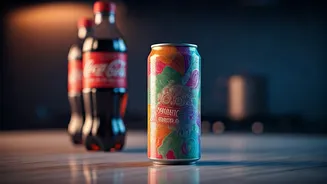
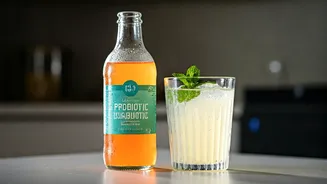
First, let's get our terms straight. These aren't your grandpa's cream sodas. Brands like Olipop, Poppi, and Health-Ade have created a category often called 'functional soda' or 'prebiotic soda.' The core pitch is simple: all the fizzy satisfaction of a classic
soft drink, but with less sugar and the added bonus of ingredients intended to support your digestive health. Instead of high-fructose corn syrup and artificial flavors, the labels on these cans boast things like plant fiber, prebiotics, and botanical extracts. They're designed to feel like an indulgence and a wellness choice all at once, positioning themselves as the perfect antidote to the sugary, 'empty-calorie' sodas of the past. This hybrid identity is key to their appeal; they don’t feel like a sacrifice, but an upgrade.
Why We’re Obsessed with Gut Health
The success of these drinks is perfectly timed with our culture's growing obsession with the gut microbiome. For years, wellness experts have been telling us that a happy gut—the complex ecosystem of bacteria in your digestive system—is linked to everything from better immunity and clearer skin to improved mood. This has created a massive market for anything that claims to feed our 'good' bacteria. Prebiotics, which are essentially food for these microbes (often in the form of fiber), are a star ingredient. Brands like Olipop pack their cans with nearly 9 grams of fiber, which is a significant portion of the recommended daily intake. For consumers looking for easy ways to boost their fiber and feel proactive about their health, swapping a Diet Coke for a prebiotic soda feels like a simple, virtuous choice. The marketing is brilliant, tapping into a desire to be healthy without having to give up familiar comforts.
The Reality Behind the Claims
So, are these sodas a magic bullet for your gut? The answer is more nuanced. The added fiber is legitimately beneficial. Most Americans don't get enough fiber, so incorporating it wherever you can is a net positive. However, nutritionists are quick to point out that the overall health halo might be a bit overstated. Some brands tout 'probiotics,' but the actual amount can be minimal, and processing methods like pasteurization can render these live cultures inert. The more reliable benefit comes from the prebiotic fiber. Furthermore, while they are dramatically lower in sugar than a can of Pepsi (a Poppi has about 5 grams of sugar compared to Pepsi's 41), they aren't sugar-free. They often rely on natural sweeteners like stevia or monk fruit, which is a matter of personal taste. Think of them not as a potent health supplement, but as a 'better-for-you' alternative to traditional soda. It's a step in a healthier direction, not the final destination.
But Are They a 'Default Hydrator'?
This is where the headline's claim gets shaky. For an 'active adult,' hydration is about replenishing fluids and, after intense exercise, electrolytes like sodium and potassium. Any water-based beverage is, by definition, hydrating. In that sense, yes, a probiotic soda hydrates you. But is it the *default* or *best* choice? Probably not. Water remains the undisputed champion of hydration—it's free, effective, and has no sugar or additives. After a tough workout, a dedicated sports drink is formulated specifically to replace lost electrolytes, something a prebiotic soda doesn't do. Drinking a high-fiber beverage during or right before intense activity can also cause digestive discomfort for some people. For casual, everyday sipping, a functional soda is a perfectly fine way to take in fluids. But framing it as the primary hydrator for an active lifestyle misses the point. It’s a flavorful soda alternative, not a specialized athletic performance tool.