





The Power of Soluble Fiber
One of the biggest heart-healthy heroes found in beans is soluble fiber. When you eat beans, this type of fiber dissolves in water and forms a thick gel in your digestive system. This gel has a remarkable effect: it traps fats and cholesterol, preventing
them from being absorbed into your bloodstream. Specifically, it binds to bile acids in your gut. Since the liver uses cholesterol to make these bile acids, it has to pull more cholesterol from your blood to replace what was lost, which in turn lowers your levels of LDL, or "bad," cholesterol. Studies have shown that regularly eating beans can lower LDL cholesterol by about five percent, which can translate to a significant reduction in the risk of cardiovascular disease. Just a single cup of cooked beans can provide a substantial amount of the recommended daily fiber intake.
A Superior Plant-Based Protein
Beans are a fantastic source of plant-based protein, which offers distinct advantages for heart health compared to some animal proteins. Diets higher in plant protein are consistently linked with a lower risk of heart disease. Swapping red or processed meats for plant-based proteins like beans can lead to better cardiovascular outcomes. This is partly because beans are very low in the saturated fat and cholesterol often found in animal products. While most beans aren't complete proteins on their own, pairing them with a grain like rice creates a complete amino acid profile, providing all the building blocks your body needs without the cardiovascular downside. Research has suggested that replacing just one serving of red meat with a plant protein source can reduce the risk of coronary heart disease.
Packed with Key Minerals
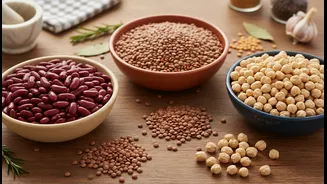
Beyond fiber and protein, beans are rich in minerals that are crucial for regulating blood pressure, a key factor in heart health. Two of the most important are potassium and magnesium. Potassium helps your body manage sodium levels and relaxes the walls of your blood vessels, which helps lower blood pressure. Magnesium also plays a role in helping blood vessels relax and is essential for hundreds of bodily functions, including maintaining a steady heartbeat. Many people don't get enough of these minerals in their typical diet. Incorporating beans like black beans, kidney beans, and lentils is an excellent food-first approach to boost your intake of both potassium and magnesium, supporting healthy blood pressure levels over time.
The Flavonoid Factor
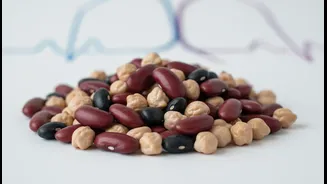
Beans, especially darker varieties like black and red kidney beans, are loaded with powerful antioxidant compounds called flavonoids. These plant-based nutrients help protect your cells from damage and fight inflammation throughout the body, including within the walls of your blood vessels. Chronic inflammation is a known contributor to the development of heart disease. Some studies have specifically linked the consumption of black beans to a significant decrease in inflammatory markers. Flavonoids and other polyphenols found in beans are believed to have a wide range of protective effects, including antihypertensive and anti-ischemic properties, further strengthening your cardiovascular system.
Easy Ways to Boost Your Bean Intake
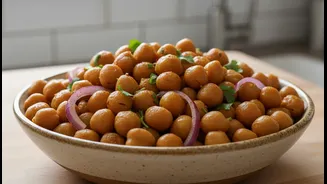
The science is clear, but how can you easily add more beans to your meals? The good news is that they are incredibly versatile and affordable. Start by adding a can of chickpeas or kidney beans to your salads for extra protein and fiber. You can blend them into soups and stews to add thickness and a nutrient boost. Try swapping ground meat for lentils in bolognese sauce or making black bean burgers for a heart-healthy barbecue. Even simple snacks like hummus (made from chickpeas) with vegetables can make a difference. If you use canned beans, be sure to rinse them thoroughly or choose low-sodium options to control your salt intake. By making these small, simple swaps, you can effortlessly harness the heart-protective benefits of this powerful food group.