







The Allure of a Rainy Getaway
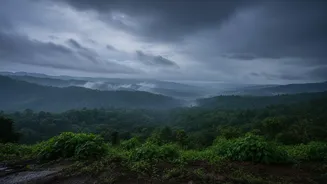
There's a reason so many people are drawn to travelling between June and September. The scorching summer heat gives way to cool, rain-washed afternoons. Destinations like Goa, Kerala, and the hill stations of the Western Ghats take on a lush, romantic
quality. It’s a time for quiet reflection, enjoying a hot cup of chai while watching the downpour, and experiencing nature at its most vibrant. For budget-conscious travellers, it’s also the off-season, meaning lower prices for flights and hotels. This combination of beauty, tranquillity, and affordability makes monsoon travel incredibly tempting. However, the very weather that creates this magic is also the source of its biggest challenge: a complete disregard for your carefully planned schedule.
When the Skies Don't Cooperate
The most common and immediate disruption travellers face is with air travel. Heavy rainfall, dense cloud cover, and strong crosswinds can make take-offs and landings hazardous. This frequently leads to significant flight delays, diversions to nearby airports, or outright cancellations. Major hubs like Mumbai and Delhi are notoriously affected, with low visibility causing a ripple effect across the country's flight network. A two-hour delay can easily become a five-hour wait on the tarmac. If you have a connecting flight or a pre-booked transfer waiting for you, a tight schedule can fall apart before you even leave the airport. Relying on an on-time arrival is a gamble you are unlikely to win every time.
Challenges on the Ground
Once you land, the journey is far from over. Road and rail networks are equally vulnerable to the monsoon's fury. In hilly regions like Himachal Pradesh, Uttarakhand, and the ghats of Maharashtra, landslides are a constant threat. A sudden downpour can wash away sections of road or block highways with debris for hours, if not days. Similarly, train journeys can be severely affected. Waterlogging on tracks is a common issue in low-lying areas, forcing trains to be cancelled, diverted, or indefinitely delayed. What looks like a straightforward five-hour drive on a map can easily turn into a twelve-hour ordeal, leaving you stranded and stressed. Booking a car for a precise pickup time or expecting a train to arrive exactly as scheduled is setting yourself up for disappointment.
The Domino Effect of Delays
The real problem with a rigid itinerary is the domino effect. Let's say your morning flight is delayed by four hours. You now miss your pre-booked taxi to the hotel. By the time you arrive, you’ve also missed the check-in window for that scenic boat tour you paid for in advance. The next day is packed with other activities, so there's no room to reschedule. A single, minor delay can cause your entire plan to unravel, leading to lost money on non-refundable bookings and a holiday filled with frustration instead of relaxation. The pressure to stick to a precise timeline adds a layer of anxiety that runs contrary to the entire purpose of a vacation.
The Solution: Embrace Flexible Planning
The key to a successful monsoon trip is building a buffer into your plans. Instead of booking activities back-to-back, leave entire afternoons or even a full day free between major travel segments. When booking flights and hotels, opt for flexible or fully refundable options, even if they cost a little extra. The peace of mind is worth the premium. Think of your itinerary not as a strict set of rules but as a gentle suggestion. Instead of a fixed arrival time, give your hotel or driver a window of a few hours. This approach allows you to adapt to delays without stress, turning a potential disaster into a minor inconvenience.
Pack for Every Possibility
Your packing list should also reflect this need for flexibility. Beyond the obvious waterproof jacket and footwear, think about contingencies. Pack a powerful power bank, as power cuts can be frequent during heavy storms. Carry a small medical kit with essentials. Download offline maps for your destination, as mobile connectivity can be patchy. Having a good book or downloaded shows on your devices can make an unexpected delay at an airport or train station far more tolerable. Being prepared for the worst allows you to calmly navigate disruptions and focus on enjoying the best parts of your trip.