


A Return to Our Roots
Across India, a conscious shift is taking place. Consumers are increasingly seeking out foods that are not only delicious but also genuinely nourishing. This has sparked a return to traditional ingredients that have been staples in Indian households for
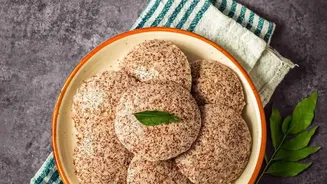
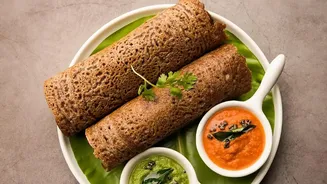
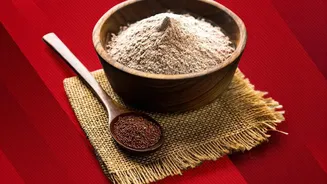
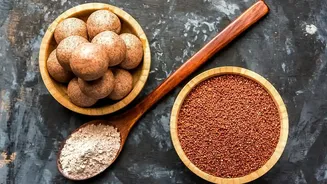
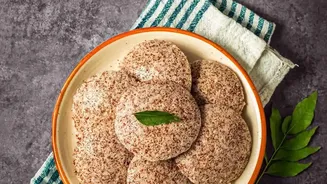
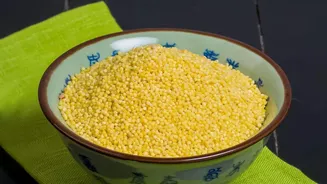
generations. Millets like ragi (finger millet) and jowar (sorghum) are at the forefront of this movement. Once considered humble, rural fare, these grains are now being celebrated for their incredible health benefits and versatility, moving from the farmer's field to the chic shelves of urban bakeries. This trend reflects a broader change in lifestyle, where health, wellness, and a connection to local food traditions are becoming more important.
The Nutritional Powerhouse
So, why are these ancient grains causing such a stir? The health benefits are significant. Both ragi and jowar are naturally gluten-free, making them excellent for those with gluten sensitivities. They are packed with dietary fibre, which aids digestion and creates a feeling of fullness, potentially helping with weight management. Ragi is a standout for its high calcium content, crucial for bone health, while jowar is rich in iron, protein, and antioxidants. Their low glycemic index means they release sugar into the bloodstream slowly, providing sustained energy without the spikes associated with refined flours, making them a smart choice for managing blood sugar levels.
The Baker's Creative Challenge
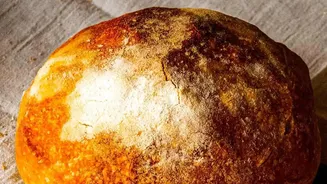
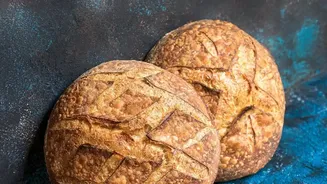
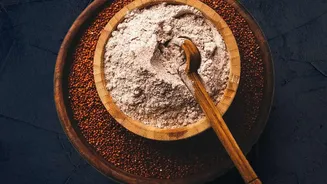
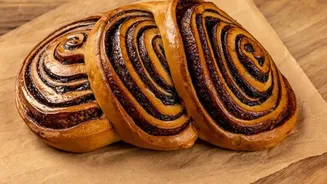
Swapping refined wheat flour for millet flour isn't a simple one-to-one exchange. These flours are gluten-free, which means they lack the protein that gives conventional breads their characteristic elasticity and rise. Bakers have had to innovate, learning to work with the unique properties of ragi and jowar. They often blend millet flours with other flours or use natural binding agents to achieve the right texture. Millet flours also have a distinct, slightly nutty flavour. Rather than hiding it, skilled bakers are learning to complement it with ingredients like nuts, seeds, fruit, and warm spices, creating products that are both wholesome and flavourful. This has led to a new wave of creative baked goods, from ragi sourdough bread and jowar crackers to millet cookies and cakes.
From Niche to Mainstream
What started in a few health-conscious cafes and home kitchens is now becoming a mainstream movement. The International Year of Millets in 2023, promoted by the Indian government, significantly boosted awareness and consumer curiosity. Artisanal bakeries, known for their focus on quality ingredients and handcrafted techniques, were perfectly positioned to lead this charge. They are transforming public perception, proving that healthy baking doesn't have to mean compromising on taste. Consumers are responding enthusiastically, driven by a desire for transparency and authenticity in their food. The result is a growing market for baked goods that are not just treats, but a nourishing part of a modern, balanced diet.
What to Look For in the Bakery
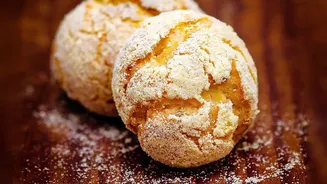
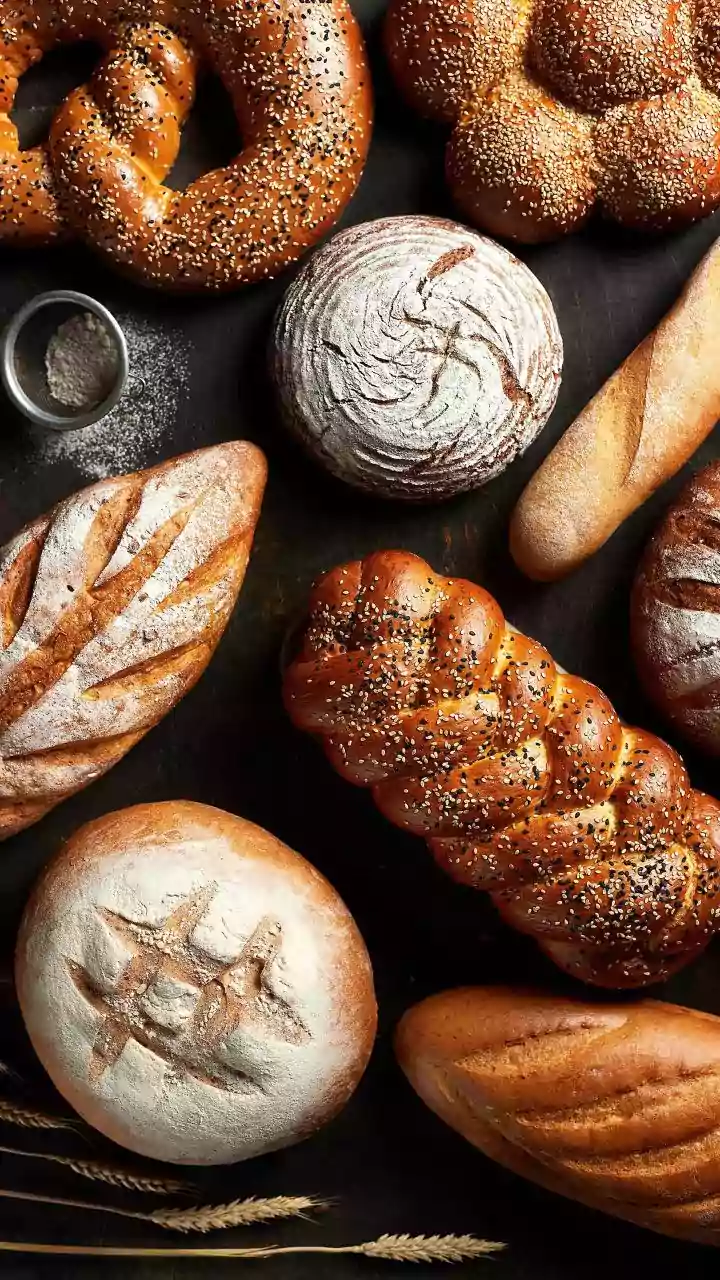
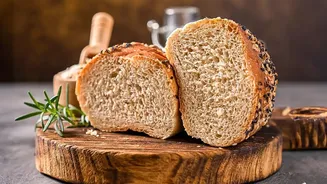
When you explore this new world of millet baking, you'll find a surprising variety of options. Look for dense, flavourful loaves of jowar and ragi bread, which are perfect for sandwiches or toast. You'll also find cookies and biscuits that offer a guilt-free crunch, brownies with a fudgy, earthy depth, and even pizza bases made from millet flour. Many bakeries are also creating savoury items like crackers and multigrain pavs. Don't expect these bakes to mimic their refined-flour counterparts exactly. Instead, appreciate them for their unique textures and rich, complex flavours. They represent a fusion of tradition and innovation, offering a taste of India's past in a form that's perfect for its future.