



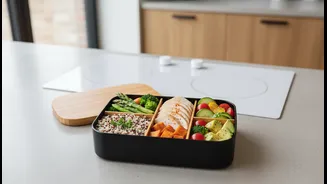


From Niche Diets to Daily Meals
For years, the concept of a meal plan subscription was largely confined to specific, goal-oriented needs: a keto plan for weight management, a low-sodium diet for health reasons, or a high-protein regimen for fitness enthusiasts. These were often seen
as temporary fixes. However, the urban Indian consumer's relationship with food is changing. The market is now seeing a significant evolution where the primary driver is no longer just dieting, but a sustained, long-term desire for convenient, healthy, and reliable daily meals. This change marks a pivotal move from a niche health product to a broad lifestyle service.
The 'Why' Behind the Shift
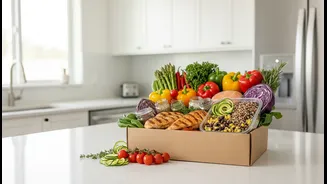
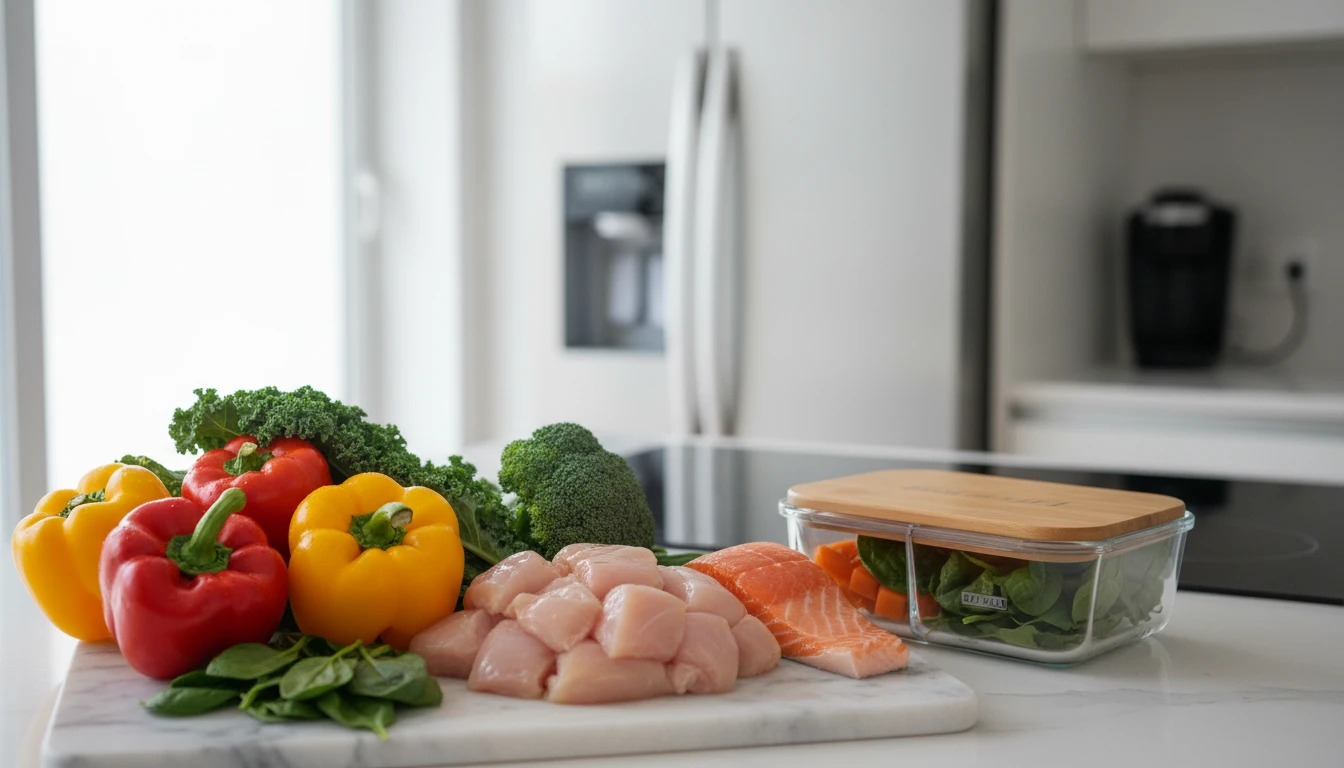
Several factors are fuelling this transition. Post-pandemic, there's a heightened, mainstream awareness around health and nutrition. Coupled with this is the reality of modern urban life: long working hours, hectic schedules, and traffic-filled commutes leave little time or energy for daily cooking. While food delivery apps offer choice, they can also lead to decision fatigue and unhealthy impulse orders. Healthy meal subscriptions provide an elegant solution, offering the convenience of a delivered meal without the daily hassle of choosing what to eat or compromising on nutrition. This caters directly to time-poor but health-conscious urban professionals and busy families.
What the New-Age Subscription Looks Like
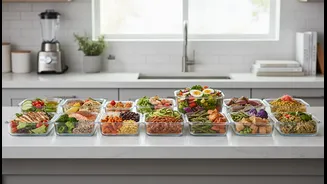
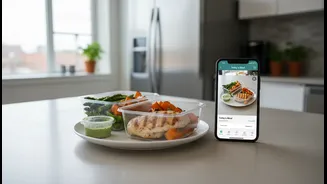
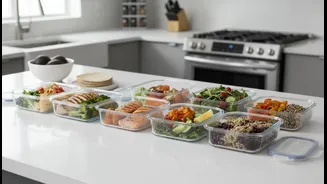
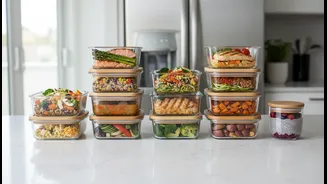
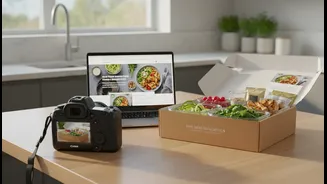
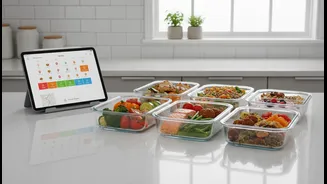
Today’s meal subscription services are far from the monotonous ‘diet dabbas’ of the past. Technology and customer-centric models have enabled a new level of personalization and variety. Companies now offer flexible plans (daily, weekly, monthly), allowing users to choose specific meals or days. Menus are diverse, featuring everything from regional Indian specialties to global cuisines, all while adhering to nutritional guidelines. Technology plays a key role, with apps for managing subscriptions, providing feedback, and even offering AI-driven meal recommendations. The focus is on fresh ingredients, appealing taste, and making healthy eating an enjoyable and effortless part of daily life, not a chore.
The Modern Tiffin Service
In a way, this trend can be seen as the tech-enabled evolution of the traditional tiffin or dabbawala system. While the core concept of getting a home-style meal delivered is not new to India, the modern subscription model offers unparalleled choice and customization. Unlike a fixed tiffin, users can now specify dietary needs like vegan, gluten-free, or diabetic-friendly, and get calorie-counted meals tailored to their specific health goals. These services are leveraging cloud kitchens and sophisticated logistics to ensure consistency and quality at scale, expanding beyond traditional corporate lunch deliveries to cover breakfast, dinner, and even healthy snacks.
Challenges and the Road Ahead
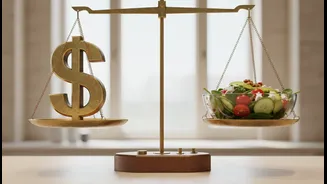
Despite the growth, challenges remain. Price sensitivity is a major factor in the Indian market, and making these subscriptions affordable for a wider audience is key. Maintaining quality, taste, and variety consistently is a significant operational hurdle. Furthermore, some consumers may resist the subscription model due to a desire for spontaneity in their food choices. However, the future looks promising. The market is projected to grow significantly, with potential expansion into corporate wellness programs, deeper penetration into Tier-2 cities, and even more sophisticated personalization. As services become more flexible and affordable, they are set to become an even more integral part of the urban Indian lifestyle.