









A Unique Terroir in the Eastern Ghats
Nestled in the hills of Andhra Pradesh, the Araku Valley offers a unique combination of high elevations, cool valley winds, and iron-rich soils. These conditions are ideal for growing high-quality Arabica coffee, a variety known for its complex and aromatic
flavour profile. Unlike large estates, coffee here is grown by indigenous Adivasi communities on small, biodiverse plots, often alongside fruit trees and other crops. This shade-grown method, a core tenet of the region's regenerative agriculture, allows the coffee cherries to mature slowly. This slower development is crucial, as it lets the natural sugars inside the fruit fully develop, leading to a sweeter, more nuanced flavour in the final cup.
The Art of Selective Hand-Picking
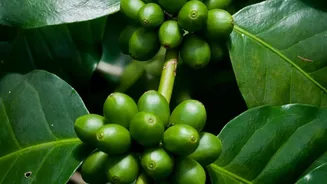
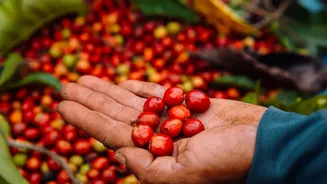
The defining factor in Araku's coffee quality is the harvest itself. The farmers of Araku practice selective harvesting, a meticulous and labour-intensive method where each coffee cherry is picked by hand. Coffee plants are unique in that they can have flowers, unripe green cherries, and perfectly ripe red cherries on the same branch at the same time. Mechanical harvesters, used in many large-scale operations, strip everything from the branch indiscriminately, mixing ripe with unripe fruit. In Araku, however, skilled pickers pass through the plantations multiple times during the harvest season, carefully selecting only the cherries that have reached a perfect, deep red colour. This ensures a consistent level of ripeness, which is the foundation of any specialty coffee.
Why Only Ripe Cherries Matter
The focus on ripeness is not just for show; it is a science. The quality of the final brew is directly linked to the state of the cherry when it was picked. Unripe cherries contain less sugar and higher acidity, resulting in a thin, sour, or astringent taste. Overripe cherries, on the other hand, can begin to ferment on the branch, introducing unpleasant, rotten fruit flavours into the bean. Only the perfectly ripe cherries possess the optimal balance of sugars and acids needed to produce a coffee with a complex aroma, a full body, and a clean, satisfying finish. By avoiding underripe and overripe cherries from the very start, Araku’s farmers prevent these defects from ever entering the production chain, a key requirement for coffee to be graded as 'specialty'.
From a Crop to a Global Brand
This commitment to quality is part of a larger story of social and economic empowerment. Initiatives led by organisations like the Naandi Foundation have helped organise the region's smallholder farmers into cooperatives. This collective approach has enabled the Adivasi farmers to move to fully organic and regenerative practices, improve processing, and command higher prices for their premium product. By bypassing middlemen, this model ensures that the profits from this globally acclaimed coffee flow back into the community, supporting livelihoods, education, and healthcare. The result is a brand, Araku Coffee, that has won international awards and is featured in cafes from Paris to Bengaluru, putting the valley and its farmers on the world map.