






Moving Beyond the Peak Season Rush
For years, Indian international travel followed a predictable rhythm: the annual summer holiday with the family and perhaps another trip during the festive season. These trips, often to crowded European capitals or familiar Southeast Asian beaches, became
a rite of passage. However, a noticeable shift is underway. An increasing number of Indian tourists are now planning their holidays around specific seasons, choosing to travel during the 'shoulder seasons' just before or after the peak rush. This change is driven by a desire for more authentic and less crowded experiences, better value for money, and the pursuit of unique, picturesque moments that stand out on social media feeds.
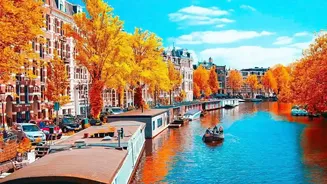
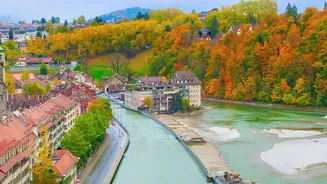
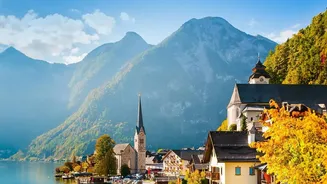
The Golden Allure of a European Autumn
The idea of Europe is being repainted in shades of gold, amber, and crimson for the Indian traveller. Autumn, from September to November, offers a compelling alternative to the continent's bustling summer. Destinations like Bavaria in Germany, the Alsace wine region in France, and the serene lakes of Slovenia transform into fairytale landscapes. The appeal is multi-fold: the weather is mild and pleasant, major attractions are free from overwhelming crowds, and flight and accommodation prices are often significantly lower. Travellers are finding that the value and beauty of Europe in the fall provide a far more rewarding experience than a hurried summer tour. This trend aligns with a broader shift towards slower, more immersive travel, with tourists choosing to spend more time in fewer locations to soak in the local atmosphere.
Asia's Unforgettable Seasonal Tapestry
Closer to home, Asia's diverse seasonal offerings are capturing the imagination of a new generation of Indian travellers. Driven by cultural curiosity and ease of travel, destinations across the continent are seeing a surge in interest. Japan and South Korea are high on the list, fueled by a fascination with their pop culture, aesthetics, and culinary scenes. The cherry blossom season in spring and the equally stunning autumn foliage are becoming powerful draws. Meanwhile, Southeast Asian countries are leveraging their unique cultural events and visa-free policies to attract tourists. Destinations like Vietnam, Thailand, and Malaysia offer a compelling mix of cultural immersion, accessibility, and affordability, from vibrant lantern festivals to serene spiritual retreats.
What’s Driving This Shift in Mindset?
Several factors are converging to reshape these travel patterns. The digitally-savvy Indian traveller, particularly Gen Z, is increasingly choosing destinations based on experiences rather than just landmarks. They are looking for unique content for their social feeds, whether it's the autumn colours of a European forest or a spiritual festival in Bali. Economics also play a crucial role; shoulder and off-season travel offers significant savings, making international trips more accessible. Furthermore, there is a growing desire for authenticity and a move away from 'templatized' tours. Travellers today want to connect with a place on a deeper level, which is easier to do when destinations are not at their busiest. Finally, improved flight connectivity and simplified visa processes, including visa-free access to several Asian nations, have made spontaneous and well-planned seasonal trips easier than ever.