

The Unshakeable Tradition of Festive Feasting
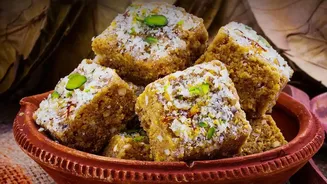
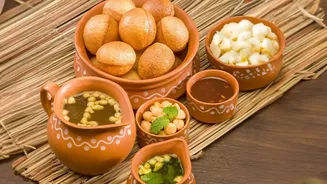
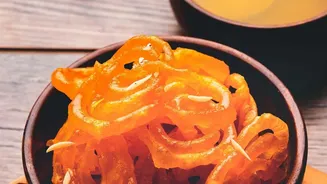
No celebration in India feels complete without its signature tastes. Traditional sweets and snacks are more than just food; they are an integral part of rituals, gifting, and community bonding. Classics like Gulab Jamun, Rasgulla, and Ladoos continue
to dominate festive consumption. A 2025 survey highlighted that traditional Indian sweets still account for 55% of all festive dessert sales, far outpacing western desserts and other options. Another study noted that nearly 74% of urban Indian households consume traditional sweets at least three times a month, with consumption soaring during festivals. This deep-rooted cultural significance ensures that these indulgent staples remain central to any celebration, a comforting and delicious constant in an ever-changing world.
The Rise of Gut-Friendly Eating
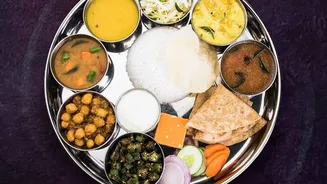
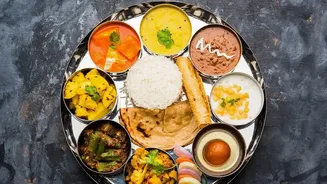
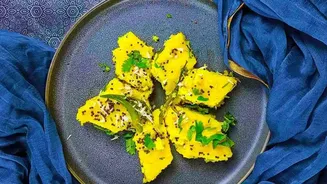
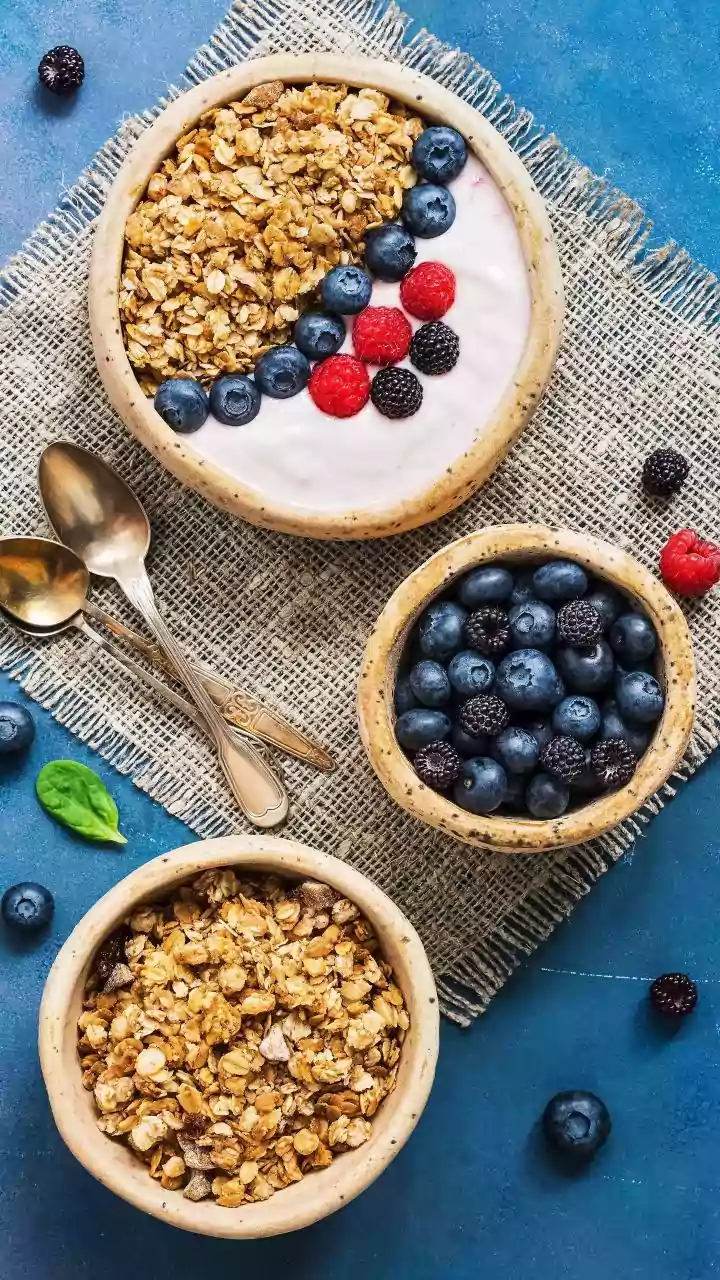
Parallel to this tradition, a significant wellness trend has taken hold: the focus on gut health. More than just a buzzword, it represents a growing understanding of how our digestive system impacts overall well-being, from immunity to mood. This movement has led to a revival of interest in traditional Indian food wisdom, which has long championed gut-friendly practices. Foods like dahi (yogurt), chaas (buttermilk), and fermented preparations like idli and dosa are being celebrated for their probiotic content. The Indian market for probiotic foods and drinks is expanding rapidly, with some estimates projecting a compound annual growth rate of over 17%. This isn't about adopting foreign trends but rediscovering the inherent health benefits of ancestral eating habits.
When Indulgence Meets Wellness
So, what happens when the irresistible pull of festive sweets meets the sensible push for digestive wellness? The answer isn't replacement, but negotiation. Consumers are not abandoning their favourite mithai, but they are becoming more mindful. A 2023 study found that 61% of Indian consumers now prioritise nutritional value when making festive purchases. This has created a demand for healthier indulgences. People are actively seeking options with less sugar, or made with alternatives like jaggery, dates, and honey. According to one survey, 70% of urban households are considering switching to sweets with 30% less sugar if available. It signals a clear shift from mindless consumption to conscious enjoyment, where taste and health are no longer seen as mutually exclusive.
How the Market is Responding
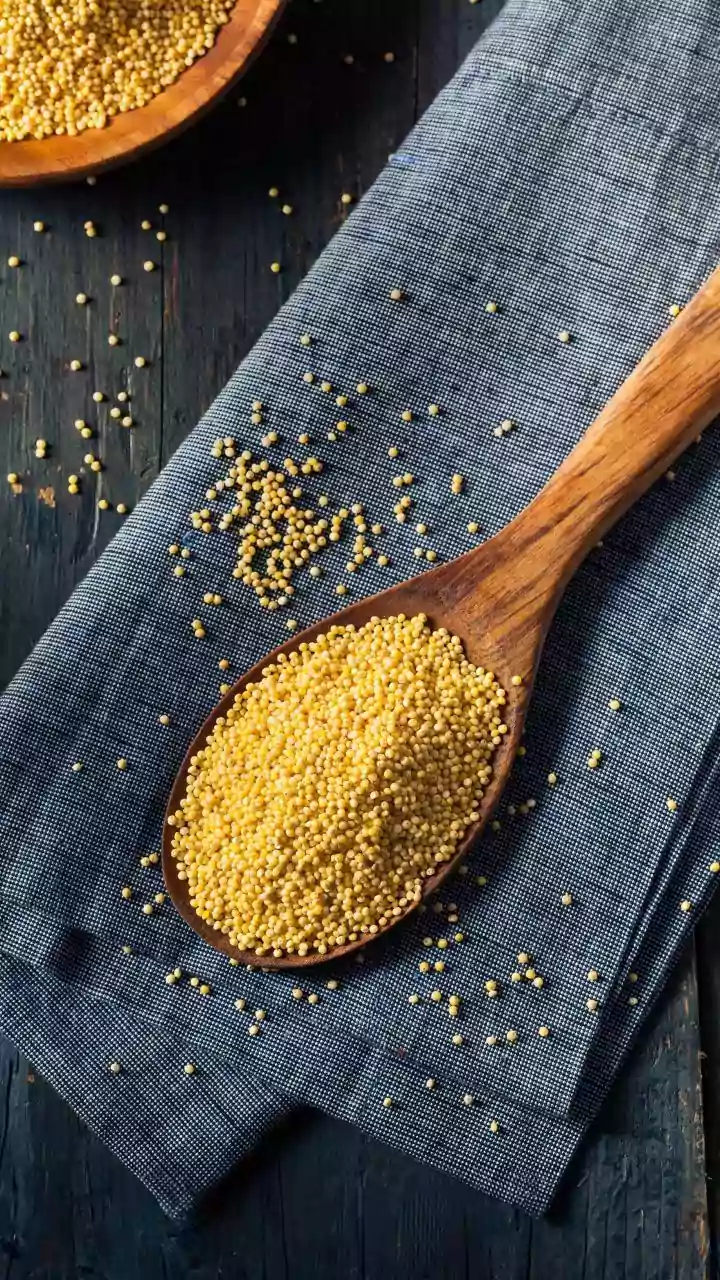
The food industry is taking note of this evolving consumer mindset. The organised Indian sweets market is innovating at a remarkable pace, with a growing segment dedicated to healthier formulations. Brands are launching sweets that are low-sugar, fortified with protein and fibre, or made with natural ingredients like nuts, seeds, and millets. This 'premiumisation' of mithai is not just about taste but also about offering 'better-for-you' credentials. Beyond sweets, the broader food market is booming with gut-friendly products like kefir, kombucha, and probiotic-enriched dairy, moving well beyond niche health stores into mainstream supermarkets. This ensures that healthier choices are becoming more accessible for the average consumer looking to balance their festive diet.
The New Rules of Festive Eating
For many, navigating the festive season is now about finding a comfortable middle ground. It's about enjoying a homemade laddoo without guilt, perhaps by swapping refined sugar for jaggery. It could mean following a plate of fried snacks with a soothing glass of buttermilk to aid digestion. The conversation has shifted from an 'all or nothing' approach to one of balance and smart swaps. It's about incorporating more fibre-rich foods like fruits and salads, opting for grilled over fried snacks, and staying hydrated. This balanced approach allows tradition to continue and nostalgia to be savoured, all while acknowledging the body's need for comfort and care. The modern festive plate, it seems, has room for both ladoos and lassi.