





India's massive garment industry is at a crossroads, closely watching a government decision on cotton that could redefine raw material costs and supply chain stability. The core issue is an 11% import duty, and its fate is causing widespread concern.
The Decision in Question
The central issue revolves around the 11% customs duty on cotton imports. Earlier this year, the government waived this duty from June 1 to October 31, 2026, to help textile mills manage costs during the lean supply season. With the deadline having passed, the industry is now in a state of uncertainty. Reports suggest the government is actively considering an extension of this duty-free window through December 2026. This potential decision comes as the new cotton season begins, a time when domestic supply typically increases. The deliberation involves balancing the needs of textile manufacturers against the interests of cotton farmers, who could see lower prices if imports remain cheap.
A Looming Supply-Demand Gap
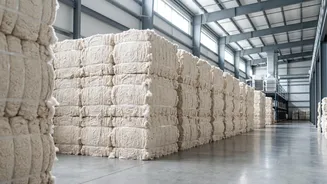
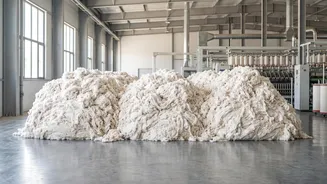
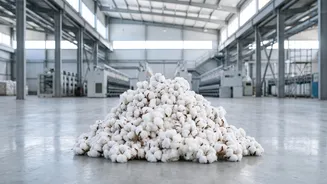
The urgency for extending the duty waiver stems from a significant mismatch between cotton supply and demand. Trade estimates for the 2026-27 season project that India's cotton production could fall to around 29 million bales, a drop of 12-18% from the previous year. This decline is largely attributed to patchy monsoon rains and high temperatures in major cotton-growing states. Meanwhile, domestic demand is estimated to be over 34 million bales. This shortfall has kept domestic cotton prices firm, trading above the government-set Minimum Support Price (MSP) even as new crops arrive. This scarcity forces mills to consider imports, making the 11% duty a critical factor in their procurement costs.
The Risks for Garment Brands
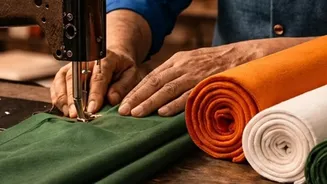
For Indian garment brands and exporters, the situation presents several risks. The primary challenge is raw material cost inflation. Cotton yarn prices have already seen sharp increases over the past year, squeezing margins for apparel manufacturers who operate in a highly competitive global market. An inconsistent policy on import duties makes it difficult to plan production and pricing. This volatility can hurt their ability to compete with manufacturers in countries like Bangladesh and Vietnam, which often benefit from more stable input costs. Industry bodies like the Apparel Export Promotion Council (AEPC) have warned that without access to competitively priced raw materials, including specific high-quality cotton grades not always available domestically, Indian exporters risk losing orders.
Navigating a Volatile Market
In response, garment brands and textile mills are deploying various strategies. Many have been urging the government for a longerer term, more stable cotton policy, with some calling for the permanent removal of the import duty to ensure a level playing field. An extension of the duty free window is seen as a crucial short term relief measure. Brands are also exploring ways to build more resilient supply chains, which includes diversifying their sourcing of raw materials and managing inventory more carefully. The uncertainty has highlighted the industrys dependence on policy decisions and its vulnerability to both domestic agricultural output and global price fluctuations. This period is forcing a deeper assessment of supply chain dependencies, from raw fibre to the finished garment.