





The Himalayan Kumbh
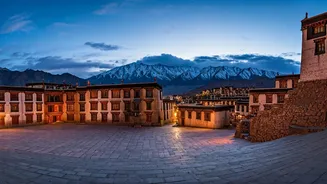
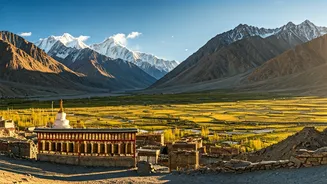
Dubbed the 'Kumbh Mela of the Himalayas', the Naropa Festival is a monumental gathering that takes place near the historic Hemis Monastery. While the Kumbh Mela is a Hindu pilgrimage, this event is a cornerstone of Himalayan Buddhism, drawing hundreds
of thousands of devotees, scholars, and tourists from across the world. The festival celebrates the life of Naropa, a 10th-century Indian scholar-saint who is considered one of the great masters of the Kagyu, or 'whispered transmission', school of Tibetan Buddhism. Held periodically—historically every 12 years in the Tibetan calendar—the festival is a vibrant spectacle that transforms the quiet valley into a bustling hub of faith and festivity, reaffirming Ladakh’s position as a vital centre of living Buddhist heritage.
A Convergence of Lineages
The 'centuries old lineages' at the heart of the festival are the spiritual successions of Himalayan Buddhism. Foremost among them is the Drukpa lineage, which traces its origins back to Naropa himself. The festival is presided over by His Holiness the Gyalwang Drukpa, the current spiritual head of this thousand-year-old lineage. This gathering is not just for the public; it is a crucial assembly for monks, nuns, and masters from remote monasteries across the Himalayas. They come to receive teachings, participate in grand rituals, and reconnect with the spiritual source of their tradition. It is a living, breathing display of a master-disciple system that has preserved complex philosophical and meditative practices for over a millennium, passing them down through an unbroken chain of spiritual authority.
Rituals in the High Desert
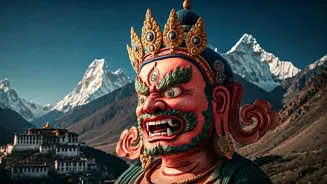
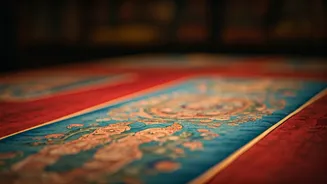
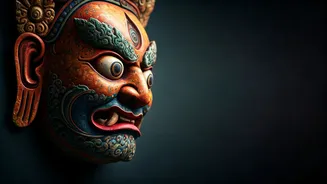
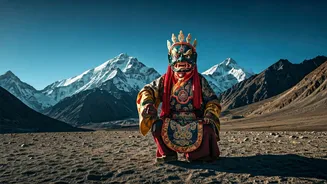
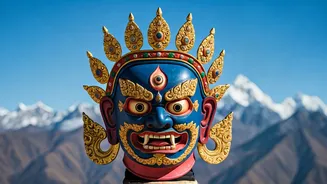
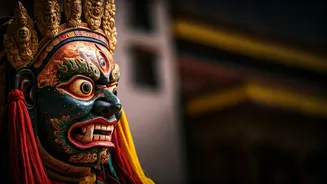
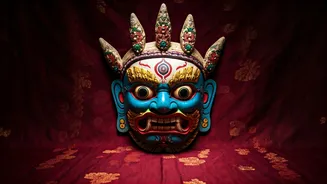
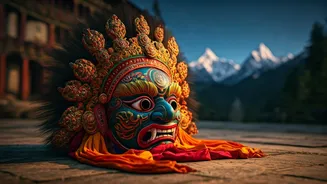
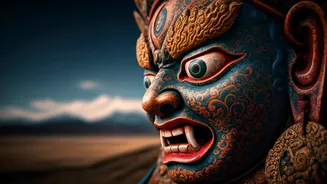
The festival is marked by a series of profound and visually stunning rituals. The centrepiece is the ceremonial unfurling of a massive silk tapestry, or thangka, depicting the Buddha Amitabha or the Guru Padmasambhava. This colossal artwork, several stories high, is displayed only during the festival, and the mere sight of it is believed to confer blessings upon the viewer. Another highlight is the 'Cham', or traditional masked dances performed by monks. These are not mere performances but deep meditative practices where dancers embody deities and protectors to purify the land and dispel obstacles. Accompanied by the deep resonance of long horns, cymbals, and drums, these dances create an otherworldly atmosphere, transporting onlookers to a mythical realm of gods and demons, right in the middle of the Ladakhi mountains.
Modern Beat, Ancient Heart
While steeped in ancient tradition, the Naropa Festival is remarkably contemporary. Recent editions have championed progressive causes, earning it a reputation as a festival with a conscience. A major focus is on environmentalism, with initiatives promoting sustainability and raising awareness about the fragile Himalayan ecosystem. The festival has also become a platform for empowering women, most notably by showcasing the 'Kung Fu Nuns' of the Drukpa lineage—a community of nuns trained in martial arts who challenge traditional gender roles. The evenings often feature massive concerts where traditional Himalayan folk artists share the stage with Bollywood stars and international musicians, creating a unique fusion of sound that appeals to a younger, more diverse audience. This blend of the sacred and the contemporary is key to its enduring appeal.
A Cultural Lifeline
Beyond the spectacle, the Naropa Festival serves a vital purpose: the preservation and promotion of Himalayan culture. In an era of rapid globalisation, it acts as a powerful anchor, reinforcing the unique identity of Ladakh and its people. For locals, it's a source of immense pride and a crucial economic boost. For the wider world, it is an open invitation to witness a rich spiritual tradition that remains vibrant and relevant in the 21st century. It’s a reminder that heritage is not just something to be displayed in a museum; it is a living force that can bring people together, inspire change, and offer profound insights.