


It's a Matter of Physics, Not Just Maths
The core reason scaling recipes can be tricky lies in the relationship between surface area and volume. When you double the ingredients for a stew or a cake, you don't just double its size; you fundamentally change its geometry. Think of it like this:
a large block of ice melts much slower than the same amount of ice crushed into small pieces. The crushed ice has a much larger surface area exposed to the warm air. The same principle applies in your pot or pan. As you increase the volume of food, its surface area doesn't increase at the same rate. This shift affects everything from how heat enters the food to how moisture escapes, which is why a simple multiplication of ingredients often requires a more thoughtful adjustment of technique.
The Browning Breakdown
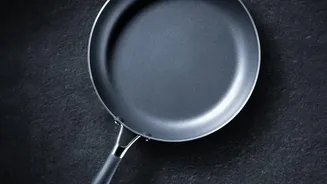
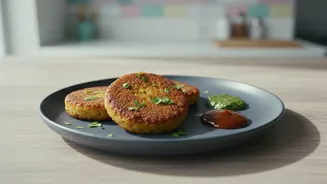
That beautiful, flavourful brown crust on roasted vegetables or a steak is the result of the Maillard reaction, a chemical process that requires high heat. When you double a recipe, you often crowd the pan. Overcrowding has two negative effects. First, it traps steam, which lowers the surface temperature of the food and prevents it from getting hot enough to brown. Instead of roasting, your ingredients end up steaming. Second, adding a larger mass of cold food to a hot pan causes the pan's temperature to drop significantly. A pan that was hot enough to sear one chicken breast might not be hot enough to sear two, leading to a grey, less flavourful result. The solution is often to use a larger pan or cook in multiple batches to give each piece enough space and maintain high heat.
The Moisture Mystery
Evaporation is crucial for concentrating flavours in sauces and stews, but it's directly tied to surface area. When you double a soup recipe in the same pot, you double the volume of liquid but the surface exposed to the air stays the same. This means water will evaporate much more slowly, potentially leaving you with a diluted, watery final dish. Conversely, if you spread a double batch of a casserole into a much wider, shallower dish, the increased surface area can cause too much liquid to evaporate, making it dry. Maintaining the original depth of the food is a good rule of thumb. If you double a cake recipe, for example, it's often better to use two pans of the same size as the original rather than one giant pan.
Achieving Perfect Doneness
Heat needs time to travel to the centre of whatever you're cooking. This is known as heat penetration. A larger, thicker item takes significantly longer to cook through than a smaller one. Doubling a cake batter and putting it in a single, larger pan means the heat has a much longer journey to the centre. By the time the middle is cooked, the edges are often overdone or even burnt. For larger roasts or casseroles, one common technique is to lower the oven temperature slightly (by about 15°C or 25°F) and increase the cooking time. This allows the heat to penetrate more gently and evenly, ensuring the centre is cooked without burning the outside. An instant-read thermometer becomes your best friend here, as it's the only way to be certain of doneness regardless of size.
Your Toolkit for Scaling Success
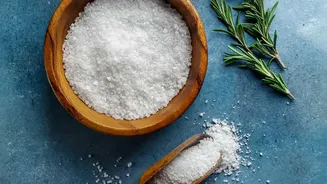
So, how do you get it right? First, think in terms of weight, not volume. Using a kitchen scale is far more accurate than using measuring cups, especially when scaling. Second, adjust your cookware. Use larger pans, multiple pans, or deeper pots as needed to maintain the food's original depth and spacing. Third, don't blindly double seasonings like salt and spices; start with about 1.5 times the original amount, then taste and adjust. Finally, trust your senses and your tools over the timer. Check for doneness earlier and more frequently than you think you need to. The original cooking time is a guideline, not a rule, when the recipe's size has changed.